Sherrod Brown's polling lead defies Ohio's Republican shift
Husted is Brown’s opponent, and his record and position on data centers feature in the campaign discussion.

SOURCE CHECK
TAP FOR WHYNewsweek is an established national outlet, and the article identifies its author and cites polling organizations, campaign figures, experts and FEC filings. It also discloses the use of an AI assistant, though the text does not establish its corrections practices.
- Source type — Established national news publisher.
- Transparency — Identifies polling sources, interviewees and the campaign-contact attempt; discloses AI assistance.
- Author attribution — A named author is credited.
- Correction history — No correction information is provided in the article text.
The article gives polling figures, sample sizes and margins of error, and draws on named academics, campaign fundraising reports and historical election results. The campaigns were contacted, but the article does not include their responses, and much of the interpretation relies on two experts.
HOW WE SCORE ↗The article includes multiple polls, historical context and expert analysis, and describes positions associated with both candidates. It says both campaigns were contacted but includes no responses from them.
- Source diversity — Includes polling sources, two academic experts and campaign fundraising information.
- Counterarguments presented — Brown’s polling lead is balanced with Ohio’s Republican trend and the possibility that polls underestimate Republicans.
- Omitted context — The campaigns were contacted, but neither campaign’s response appears in the article.
- Loaded language — The reporting is mostly restrained and attributes critical claims to their sources.
The article presents polling and election history in neutral language, includes evidence of both Brown’s potential strengths and the Republican trend, and reports competing campaign positions without an overt partisan verdict.
- Language tone — Mostly descriptive language, with no sustained partisan or loaded wording.
- Framing — Presents Brown’s polling lead alongside the state’s Republican shift and polling uncertainty.
- Source selection — Uses polling organizations, academics and campaign fundraising figures.
Sherrod Brown holds a narrow lead over Jon Husted in polls of Ohio’s 2026 Senate race, despite the state’s recent Republican shift. The article examines polling, fundraising and the candidates’ contrasting positions on data centers as the race could affect Senate control.
The article reports that Brown leads Husted by small margins in several polls, while forecasters classify the race as a toss-up. It notes that Brown’s campaign reported raising more than $14 million in the second quarter and that Husted’s campaign reported $7.7 million across affiliated committees. The article also cautions that polls have underestimated Republicans in Ohio before.
The candidates’ positions on data centers feature in the race. The article says Husted supported development and tax breaks for earlier projects, while introducing the Ratepayer Protection Act, which it reports failed in the Senate. Brown has criticized data-center growth and made opposition to it part of his campaign message. The race is described as one of several contests that could help determine control of the Senate.
Community verdict
22 VOTES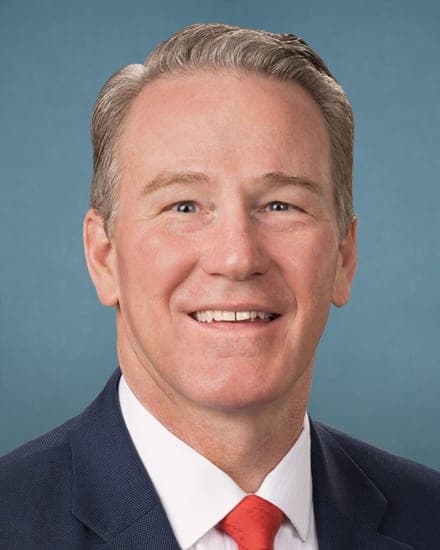
Counts every outlet’s report of this story. See all 47
Votes cast on this page
Votes cast on this page: ▲ 0 · ◆ 0 · ▼ 0
People in this story
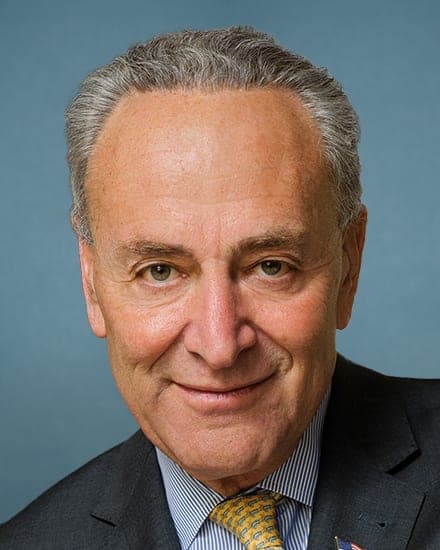
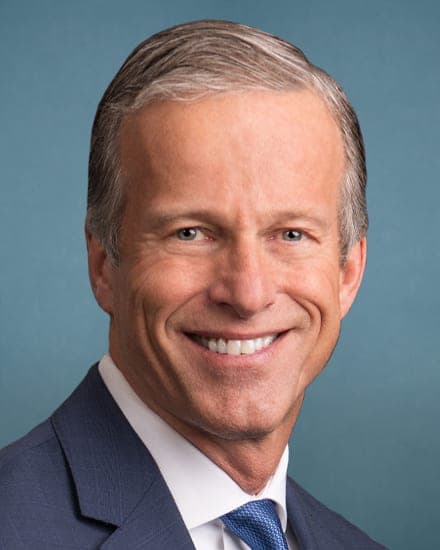
SWIPE →Republican senator and Brown's opponent in the Ohio Senate race
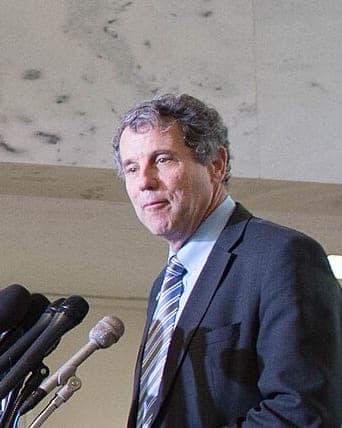
Democratic candidate challenging Jon Husted for Ohio's Senate seat
Brown's version of this story ↗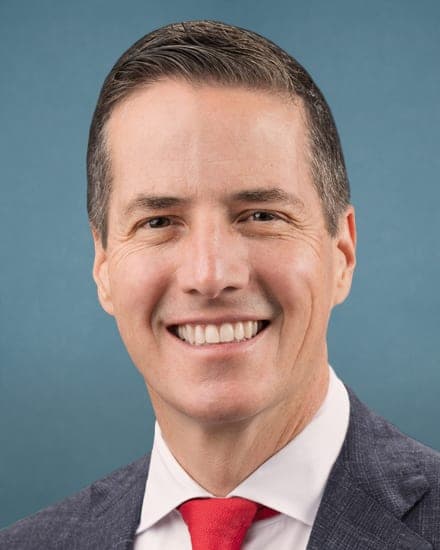
Republican who defeated Brown in Ohio's 2024 Senate election

President cited in discussion of Ohio's recent election results and the political environment
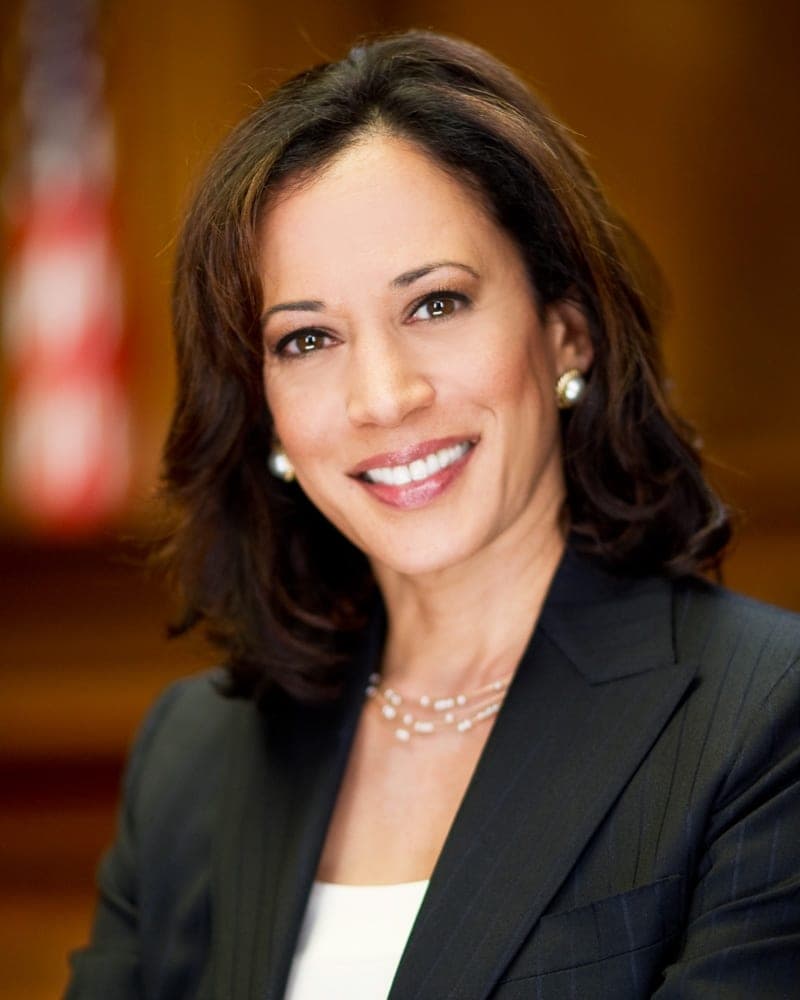
2024 presidential candidate cited in comparison with Brown’s Ohio result

Vice President; his former Senate seat was filled by Husted
Part of a bigger story
36 OUTLETSThe Senate failed to advance Jon Husted’s Ratepayer Protection Act, which addressed electricity costs tied to data centers. Husted promoted the bill. Left-leaning outlets question whether the bill would ensure data centers bear those costs and often connect its push to campaign politics for Husted. Center outlets emphasize the failed vote and the dispute over whether the bill adequately protects ratepayers, while also noting Ohio race stakes. Right-leaning outlets portray it as a way to lower electricity bills and the blockage as Democrats denying relief, sometimes highlighting Husted’s campaign opportunity.
- ARTICLES
- 47
- OUTLETS
- 36
- AVG CRED
- 70
Discussion · 0
Loading comments…