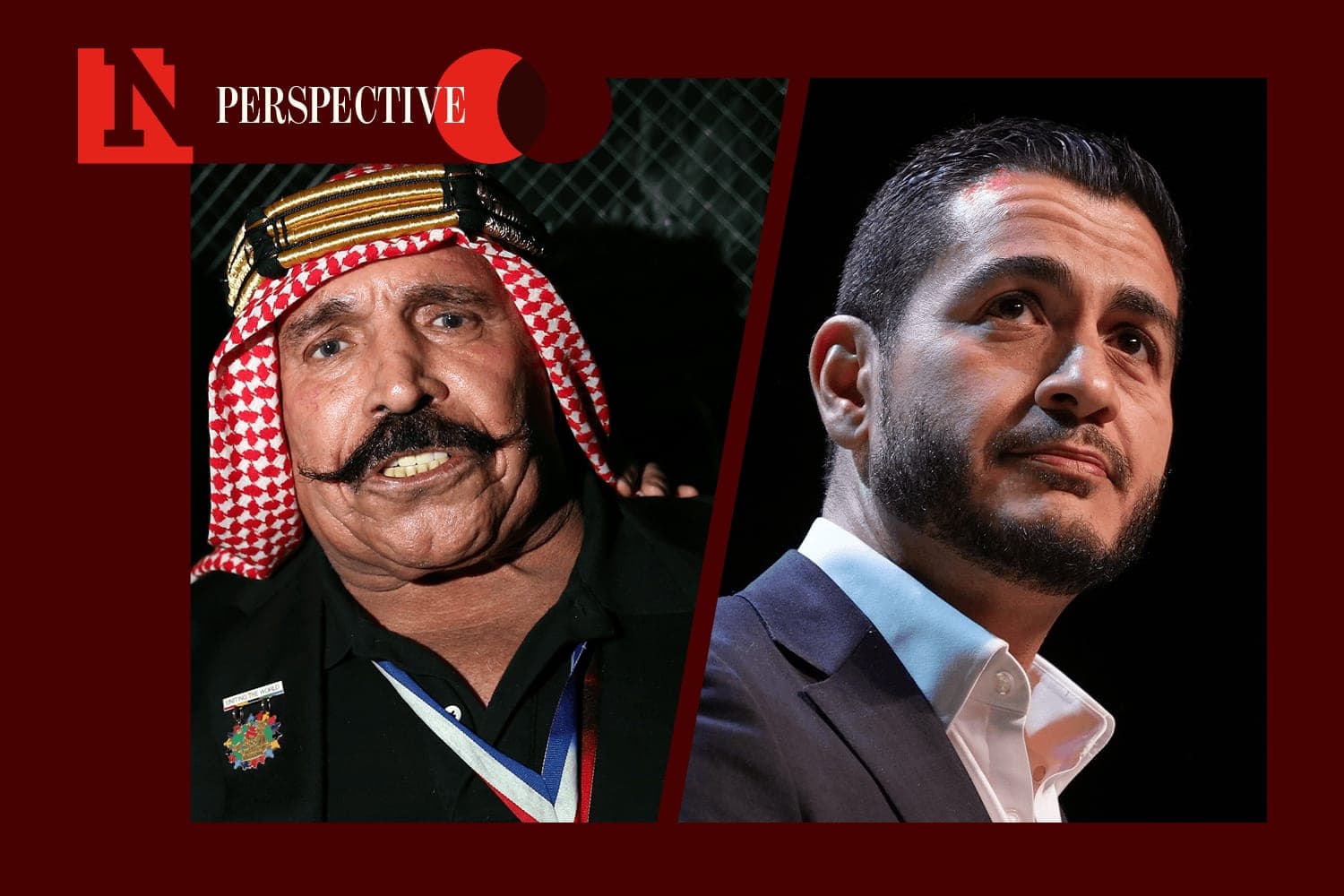
Abdul El-Sayed and the Arab American Political Shift
El-Sayed’s primary win makes him the Democratic nominee facing Mike Rogers in Michigan’s Senate race.
SOURCE CHECK
TAP FOR WHYNewsweek is an established national outlet with an identifiable author and a record of editorial reporting. This article combines historical interpretation with attributed data and research claims, though its analysis is not built around extensive direct sourcing.
- Source type — An established national news publisher; a strong but not top-tier institutional credibility signal.
- Editorial standards — The piece uses a coherent explanatory structure and attributes some statistics and institutional descriptions.
- Author attribution — The article names its author.
- Transparency — The article identifies data and research sources in the text, though it offers limited detail about its reporting process.
The article offers a clear historical and political explanation and includes attributed Census and Pew findings. Its analysis acknowledges competing explanations for El-Sayed’s primary win and uncertainty about the general election, but relies on limited direct sourcing and gives little space to opposing voices.
HOW WE SCORE ↗The analysis recognizes both expanding representation and persistent prejudice, and describes factors beyond identity that contributed to El-Sayed’s primary win. It provides limited direct sourcing and does not include an opposing campaign’s perspective in detail.
- Counterarguments presented — The article notes that El-Sayed’s general-election prospects are untested and that voters may respond to ideology, foreign policy or party control.
- Source diversity — It cites demographic and survey data but includes few direct sources or quoted competing viewpoints.
- Omitted context — The piece offers several explanations for the primary outcome but does not develop the opposing candidate’s case.
- Loaded language — The writing is interpretive but generally avoids markedly loaded political language.
The article uses explanatory rather than overtly partisan language. It discusses both discrimination and progressive politics without clearly advocating for a party or candidate.
- Framing — Frames the candidacy as part of a longer social and political shift while noting uncertainty and alternative explanations.
- Language tone — Mostly measured, explanatory language rather than partisan or inflammatory wording.
- Source selection — Uses historical examples and named research and data sources, without a clear partisan source pattern.
Abdul El-Sayed won Michigan’s Democratic Senate primary and will face Republican Mike Rogers in November. The article examines his candidacy as part of a broader shift in Arab and Muslim Americans’ visibility and political representation.
Abdul El-Sayed narrowly won Michigan’s Democratic Senate primary and is set to face Republican former Representative Mike Rogers in November. The article says a victory would make El-Sayed the first Muslim elected to the Senate, and frames his candidacy as part of a gradual change in how Arab and Muslim Americans are represented in public life.
The article traces that change through popular culture, community life and public office, citing census data about Dearborn and the election of Muslim lawmakers and officials. It says El-Sayed’s campaign emphasizes Medicare for All, affordability and reducing money in politics, while noting that his primary win also reflected progressive organizing, opposition to outside spending and disagreement over U.S. policy toward Israel. The article says the general-election outcome remains uncertain and could reflect several factors, not only attitudes toward Muslim candidates.
Community verdict
10 VOTES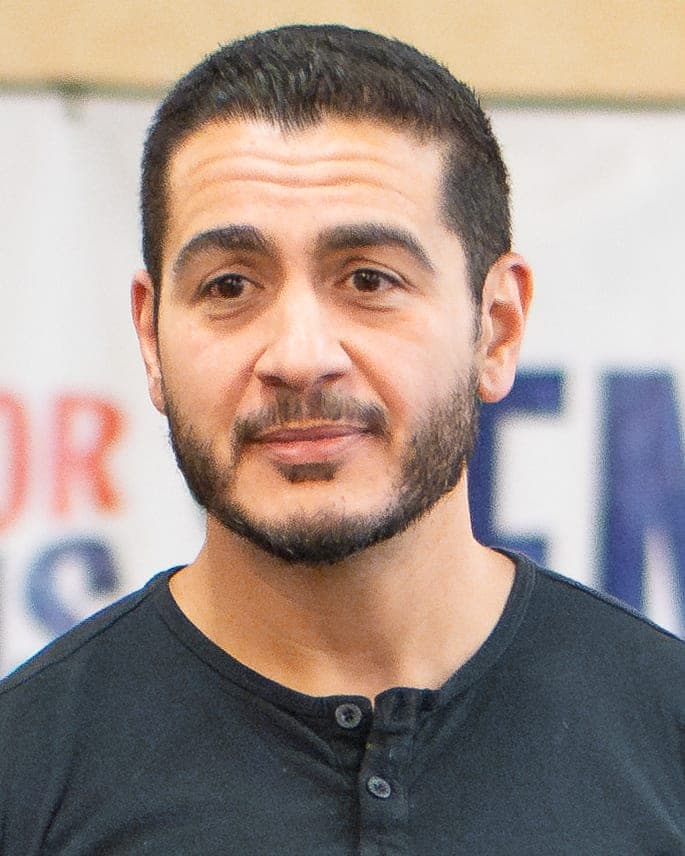
People in this story
SWIPE →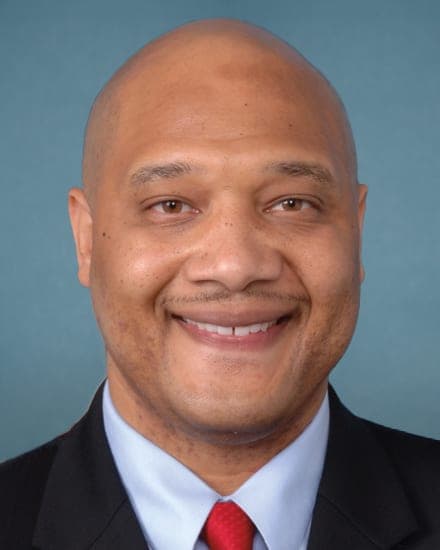
Representative cited in the history of Muslim representation in Congress
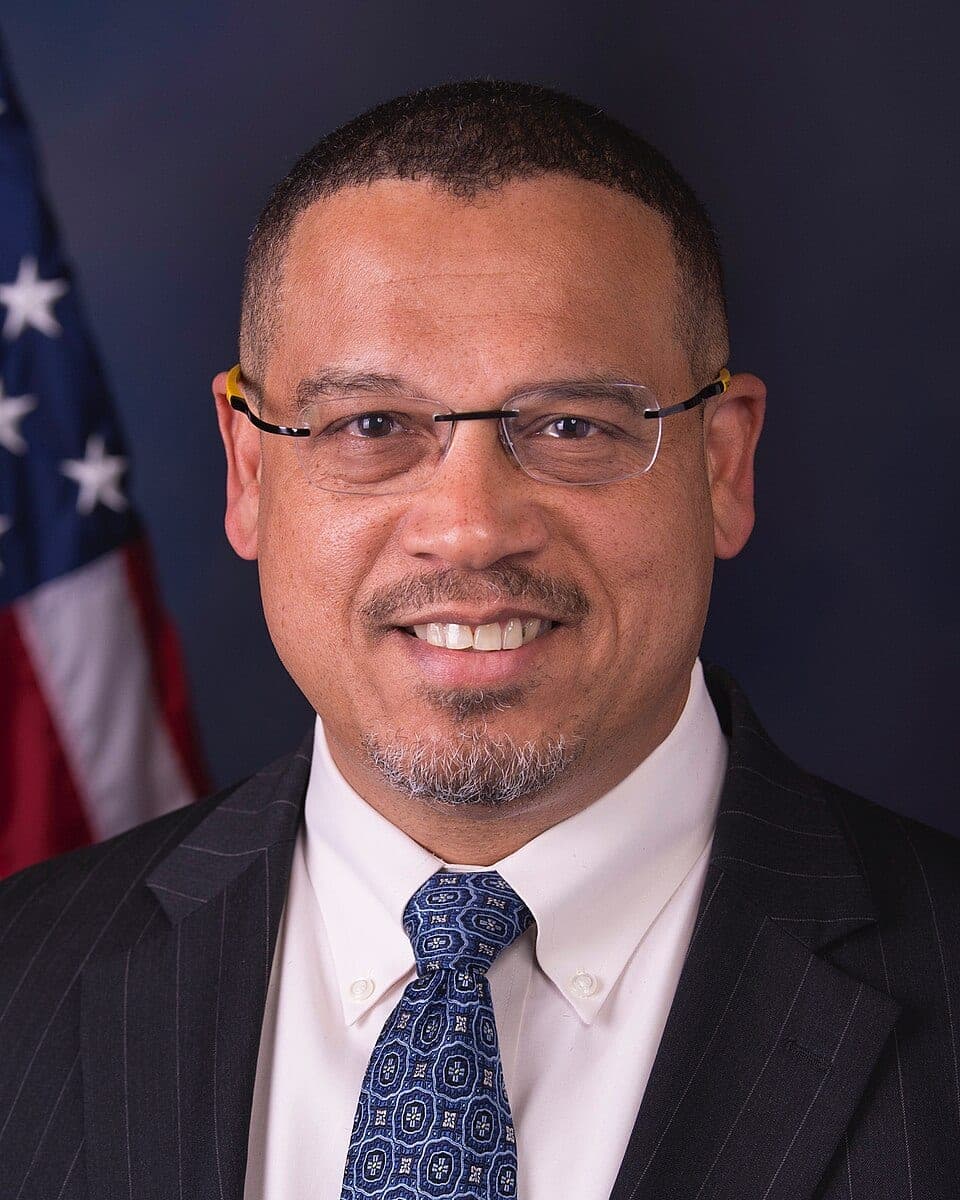
Politician cited in the history of Muslim representation in elected office
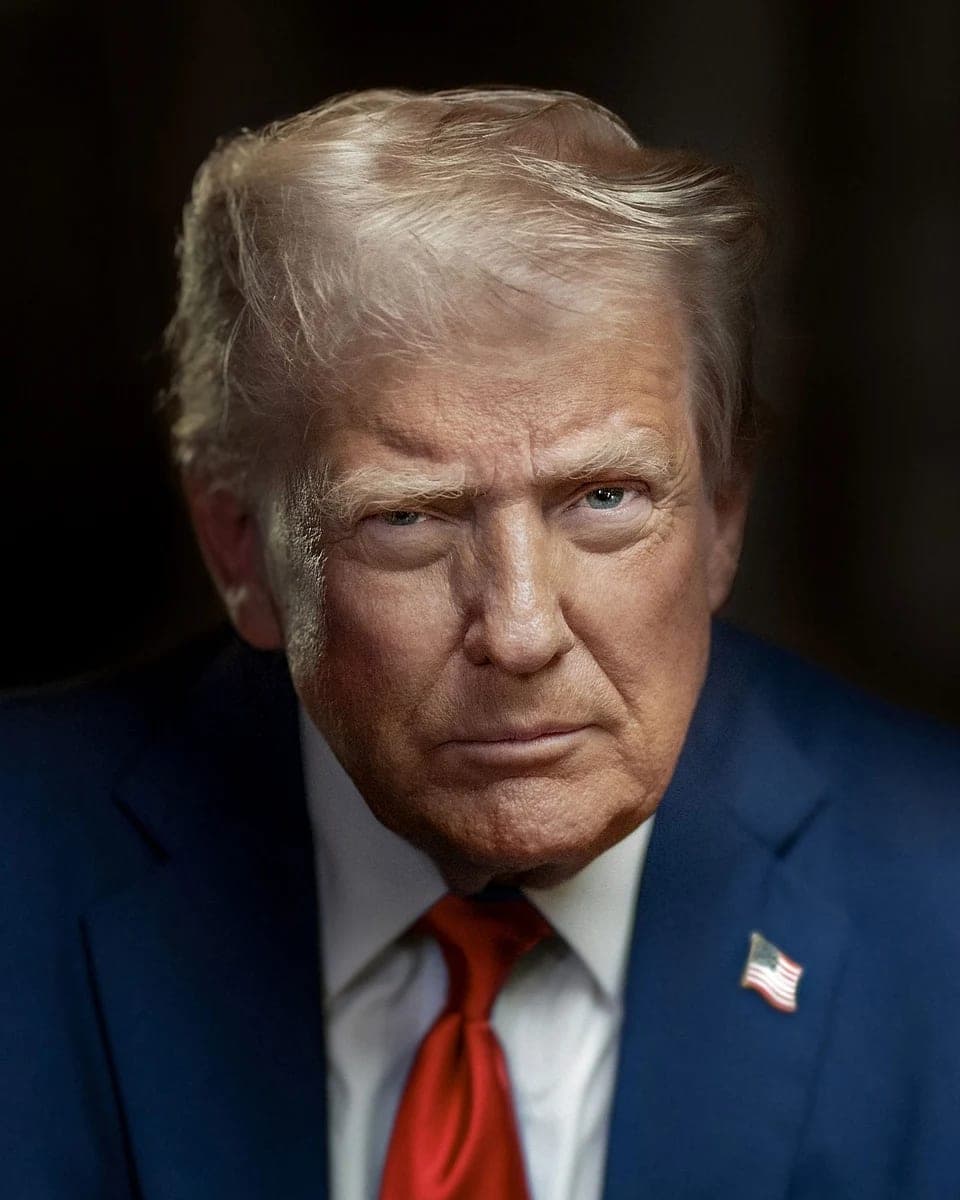
President mentioned in connection with Michigan’s past presidential results
Republican Senate candidate and El-Sayed’s general-election opponent
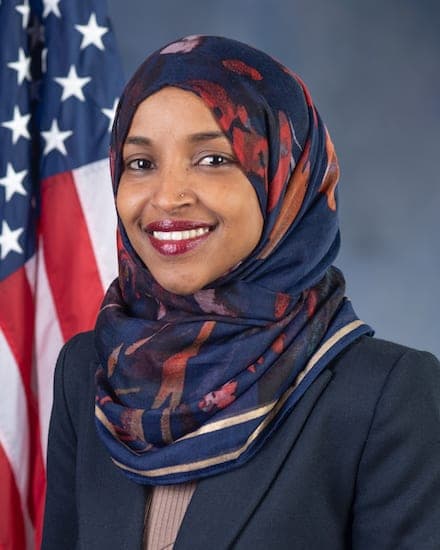
Representative cited in the history of Muslim representation in Congress
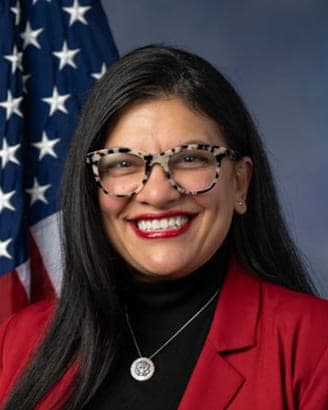
Representative cited in the history of Muslim representation in Congress
Part of a bigger story
5 OUTLETSDonald Trump criticized Abdul El-Sayed, and El-Sayed responded in interviews. Left-leaning outlets frame Trump's attacks as backfiring and El-Sayed's replies as sharp. Center outlets focus on El-Sayed's response and policy priorities, while one article places his candidacy in the broader context of Arab and Muslim American political representation. Right-leaning outlets portray Acosta's interview as strategic help for El-Sayed and criticize it for not challenging his positions.
- ARTICLES
- 5
- OUTLETS
- 5
- AVG CRED
- 64
Discussion · 0
Loading comments…