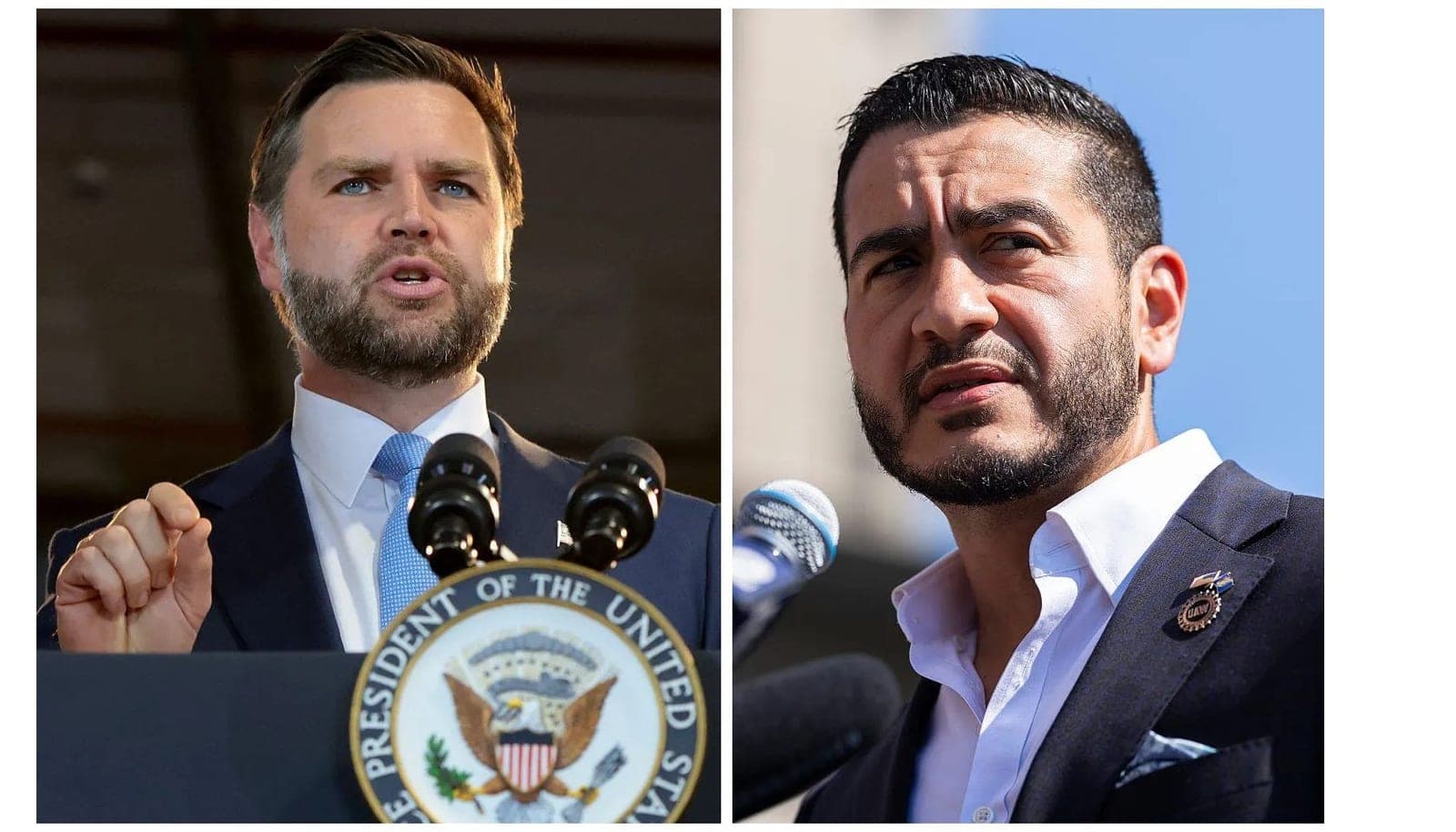
JD Vance Tries His Best To Take Shots At Abdul El-Sayed
The column describes Vance’s attacks on El-Sayed and argues that the exchanges could help his Senate campaign.
SOURCE CHECK
TAP FOR WHYNewsOne is an established national news outlet, but this piece is an explicitly opinionated column rather than straight news reporting. The author is identified and the column attributes one account to the New York Times, though it offers limited sourcing for many of its other claims.
- Source type — National news outlet with an established public-facing news operation.
- Author attribution — The column identifies its author.
- Editorial standards — The writing is clearly opinionated, which limits its value as neutral reporting.
- Transparency — Some attribution is provided, including a reference to the New York Times, but sourcing is sparse for other assertions.
The column identifies the central remarks and attributes one event account to the New York Times, but relies heavily on the author’s judgments and offers little direct sourcing or response from the people criticized. Its polemical language and limited presentation of competing perspectives lower its reporting quality.
HOW WE SCORE ↗This is a sharply one-sided opinion column. It presents extensive criticism of Vance and Republicans but does not meaningfully develop their responses or provide a competing perspective.
- Counterarguments presented — Vance’s remarks are quoted, but his perspective is not developed beyond those excerpts.
- Loaded language — Frequent loaded and insulting language shapes the account.
- Opinion vs reporting — The piece is an openly argumentative column.
- Source diversity — Few sources or perspectives are represented.
The column uses strongly critical language about Vance and Republicans while presenting El-Sayed favorably. Its evaluative wording and selection of examples indicate a pronounced left-leaning frame.
- Language tone — Uses insults and emphatic negative characterizations of Vance and Republicans.
- Framing — Frames Vance’s remarks as hypocritical and El-Sayed as politically appealing.
- Source selection — Relies primarily on examples critical of Vance and offers no substantial countervailing account.
NewsOne’s column says Vice President JD Vance criticized Michigan Senate candidate Abdul El-Sayed while campaigning for Mike Rogers, and contrasts Vance’s comments with his responses to other controversies. The article argues that Vance’s attacks could help El-Sayed politically.
The column reports that Vance called El-Sayed “very, very evil” at a campaign event for Rogers, referring to El-Sayed’s remarks after an attack on a Michigan synagogue. It also recounts Vance’s criticism of an El-Sayed social-media post about Vance’s wife and El-Sayed’s response to Vance’s comments about him. The account attributes Vance’s remarks at the event to the New York Times.
The author argues that Vance applied different standards to El-Sayed than to Young Republicans whose racist and antisemitic group-chat messages became public, and points to Vance’s remarks about Representative Jasmine Crockett and Haitian migrants. The column concludes that Vance’s culture-war approach may help El-Sayed’s campaign, while noting that the Senate race had not yet been decided.
Community verdict
9 VOTES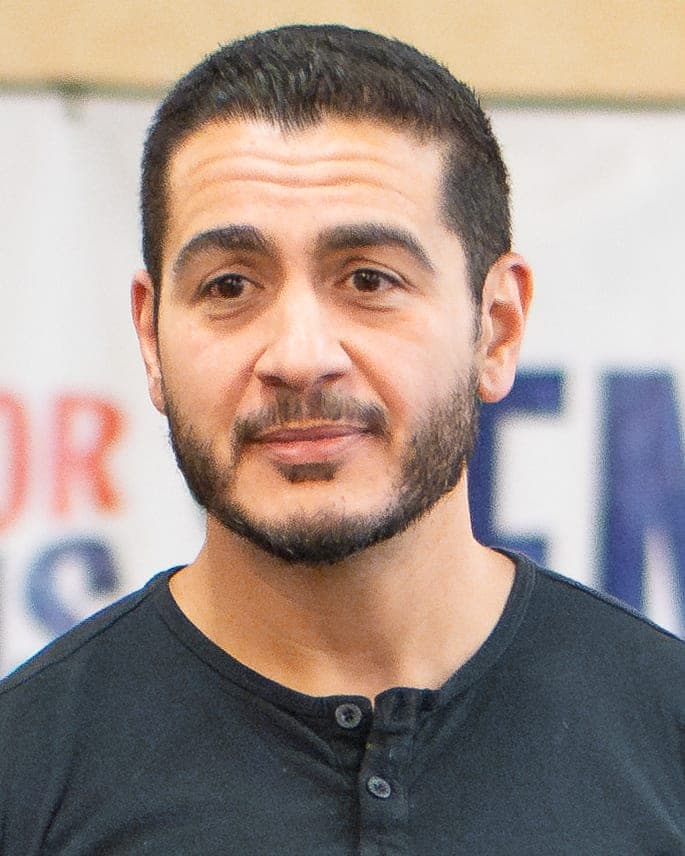
People in this story
SWIPE →
Vice President whose criticism of El-Sayed is the focus of the column
Vance's version of this story ↗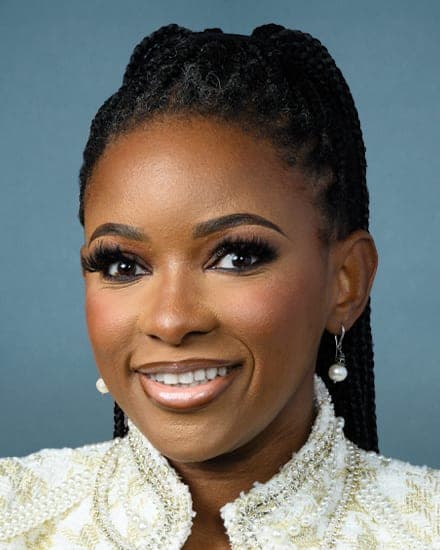
Representative cited as a target of Vance’s remark and attacks from MAGA figures

President whose social-media post about the candidates and their spouses is cited
Michigan Senate candidate whom Vance campaigned for
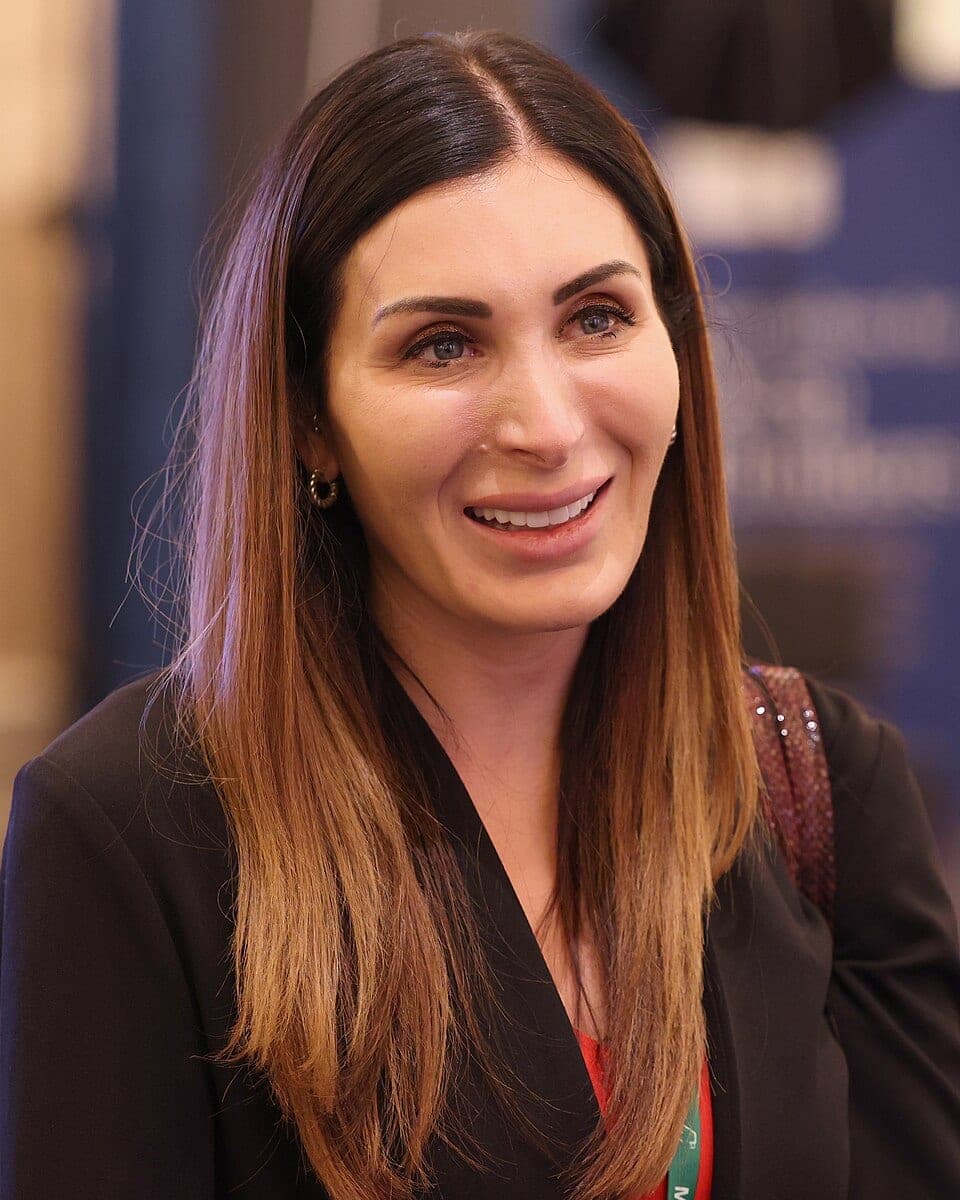
Political commentator cited among those attacking Crockett
Part of a bigger story
5 OUTLETS- ARTICLES
- 5
- OUTLETS
- 5
- AVG CRED
- 62
Discussion · 0
Loading comments…