Michigan's Abdul El-Sayed beats Haley Stevens in Senate primary
Stevens lost the close Democratic Senate primary after emphasizing manufacturing, healthcare costs, education and infrastructure.

SOURCE CHECK
TAP FOR WHYThe New York Post is an established national publication with an attributed author, but this article’s strongly colored language and limited sourcing temper confidence in its editorial presentation.
- Source type — Established national news publisher, though its tabloid style warrants some caution.
- Author attribution — The article identifies a named author.
- Editorial standards — The article attributes some figures and statements, but uses loaded characterizations.
The article includes vote totals, attributed candidate statements, and figures attributed to AdImpact and RealClearPolitics. Its framing uses loaded language, and it provides limited independent context or competing analysis.
HOW WE SCORE ↗The article describes both candidates’ platforms and includes statements from each, but its repeated ideological labels and emphasis on El-Sayed’s attacks give the coverage a noticeable tilt.
- Loaded language — Uses repeated evaluative labels for El-Sayed and progressives.
- Source diversity — Includes statements and positions from both primary candidates, along with endorsements and polling references.
- Omitted context — Offers little independent examination of the candidates’ platforms or the claims made during the campaign.
The report uses repeated labels such as “radical left-wing” and “far-left” for El-Sayed and progressives, while presenting Stevens as pragmatic. This creates a right-leaning frame even though the article includes statements from both candidates.
- Language tone — Uses charged terms including “radical left-wing,” “far-left,” and “walloped.”
- Framing — Frames the result primarily as a test of progressive politics and electability.
- Source selection — Includes statements from both candidates, but gives comparatively favorable wording to Stevens’s platform.
Abdul El-Sayed was projected to defeat Rep. Haley Stevens in Michigan’s Democratic Senate primary, with 99% of the expected vote tallied and a margin of fewer than 15,000 votes. He will face Republican Mike Rogers in November.
With 99% of the expected vote tallied, El-Sayed led Stevens by fewer than 15,000 votes out of more than 1.5 million cast. El-Sayed said Stevens was a committed public servant and that their differences were outweighed by what they shared. The article reports that the race drew more than $80 million in spending, citing AdImpact.
El-Sayed’s campaign supported policies including Medicare for all, abolishing ICE, higher taxes and ending U.S. aid to Israel. Stevens emphasized manufacturing, healthcare costs, education and infrastructure. The article describes the result as a test of progressive candidates’ prospects in a competitive state and says El-Sayed will face Rogers in the general election.
Community verdict
24 VOTES
People in this story
SWIPE →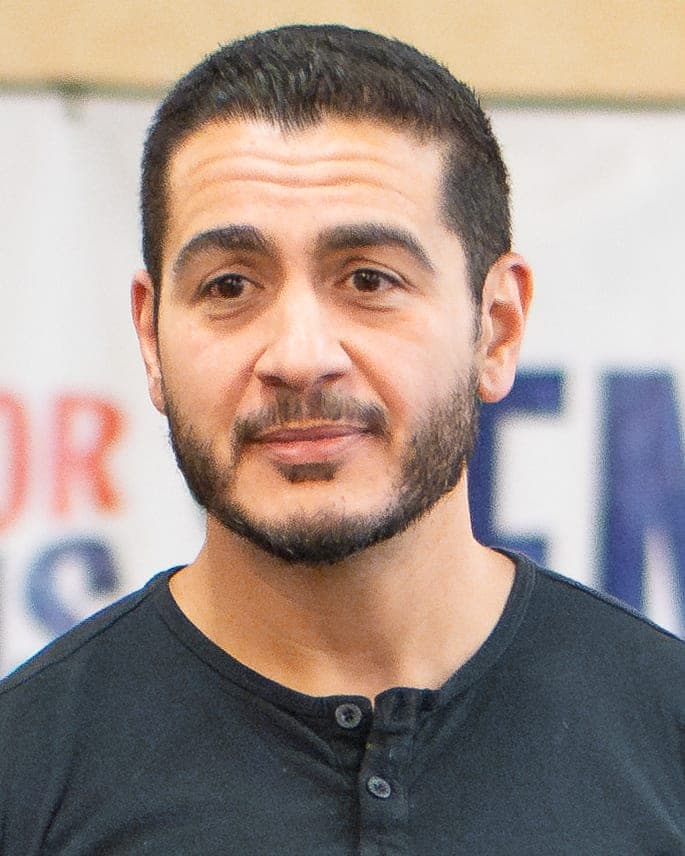
Michigan House candidate who won his primary
Michigan Senate candidate who lost the primary and joined El-Sayed at an event

President referenced in connection with Michigan’s past presidential votes and the administration’s standing political context
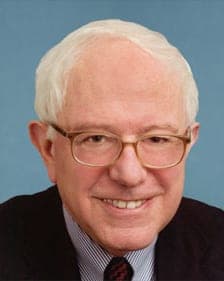
Senator who backed El-Sayed and William Lawrence
Republican Senate candidate and El-Sayed’s general-election opponent

Senate Minority Leader who backed Stevens

Representative who backed El-Sayed

Michigan House candidate who won his primary

Former transportation secretary planning to rally with El-Sayed

Michigan senator who backed Stevens
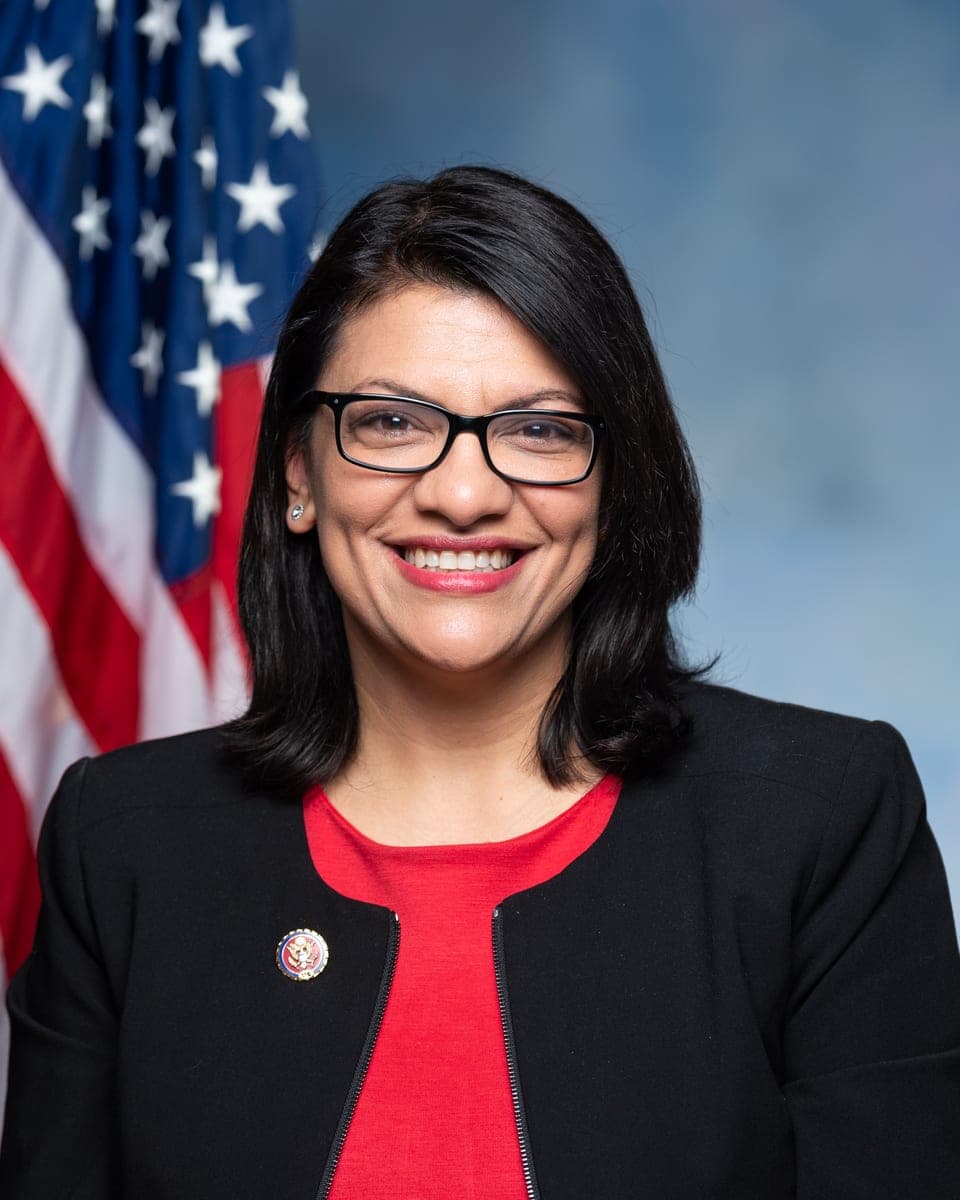
Representative who won her Michigan primary

Senator who backed El-Sayed
Part of a bigger story
16 OUTLETSOutlets agree Abdul El-Sayed defeated Rep. Haley Stevens in Michigan’s Democratic Senate primary in a close result. He will face Republican Mike Rogers in November. Left-leaning outlets present the win as progressive momentum and, in some coverage, a challenge to establishment Democrats and outside spending. Center outlets focus on the close result and its implications for electability, party direction, and Senate control. Right-leaning outlets frame it as evidence of a wider progressive or socialist shift within the Democratic Party, while some also focus on media coverage or election details.
- ARTICLES
- 19
- OUTLETS
- 16
- AVG CRED
- 63
Discussion · 0
Loading comments…