The next big races between moderates and progressives are in pivotal Midwestern states
Flanagan challenges Craig in a primary dispute over corporate influence, electability and the party’s direction.
SOURCE CHECK
TAP FOR WHYCredibility rates MyNorthwest.com, which republished this story. The other scores rate the article itself.
The reporting is attributed to the Associated Press, an established wire service with professional editorial standards. The local publisher appears to be republishing AP reporting with attribution.
- Source type — The article is AP reporting, a well-established wire-service source.
- Author attribution — The Associated Press is clearly identified in the byline and dateline.
- Editorial standards — The article attributes claims to candidates and includes an independent academic source.
The article presents competing candidate arguments, quotes several named sources and provides context from a political science professor. It offers limited direct evidence about voter views or the candidates’ electability beyond attributed claims.
HOW WE SCORE ↗The Minnesota candidates’ competing positions are both represented, and the article adds perspectives from progressive advocates, party leaders and an academic. Some claims about electability and campaign risks are presented as attributed assessments rather than tested with voter data.
- Counterarguments presented — Craig and Flanagan each make their case and criticize the other’s approach.
- Source diversity — The article quotes candidates, a progressive campaign advocate and a political science professor.
- Omitted context — It does not provide polling or independent evidence evaluating claims about electability.
The article describes the progressive-versus-moderate dispute without endorsing either side. It quotes arguments from both Minnesota candidates and includes views from party figures and an academic.
- Language tone — The prose is largely descriptive and attributes critical claims to the people making them.
- Source selection — Both Minnesota candidates are quoted, alongside a progressive advocate and an academic.
- Framing — The piece frames the races as a debate over the Democratic Party’s direction rather than advocating a side.
Republished with credit
Republished from Associated Press, with credit to the original publisher.
347 stories · 94.5–95.2 · updated Oct 12, 2026
This is Associated Press's own score, and this article is credited to Associated Press. The host score in the Source Check is MyNorthwest.com's.
The article surveys upcoming Democratic primaries in Minnesota, Michigan and Wisconsin as progressives and moderates compete over the party’s direction and electability. The Minnesota Senate primary between Angie Craig and Peggy Flanagan receives the most attention.
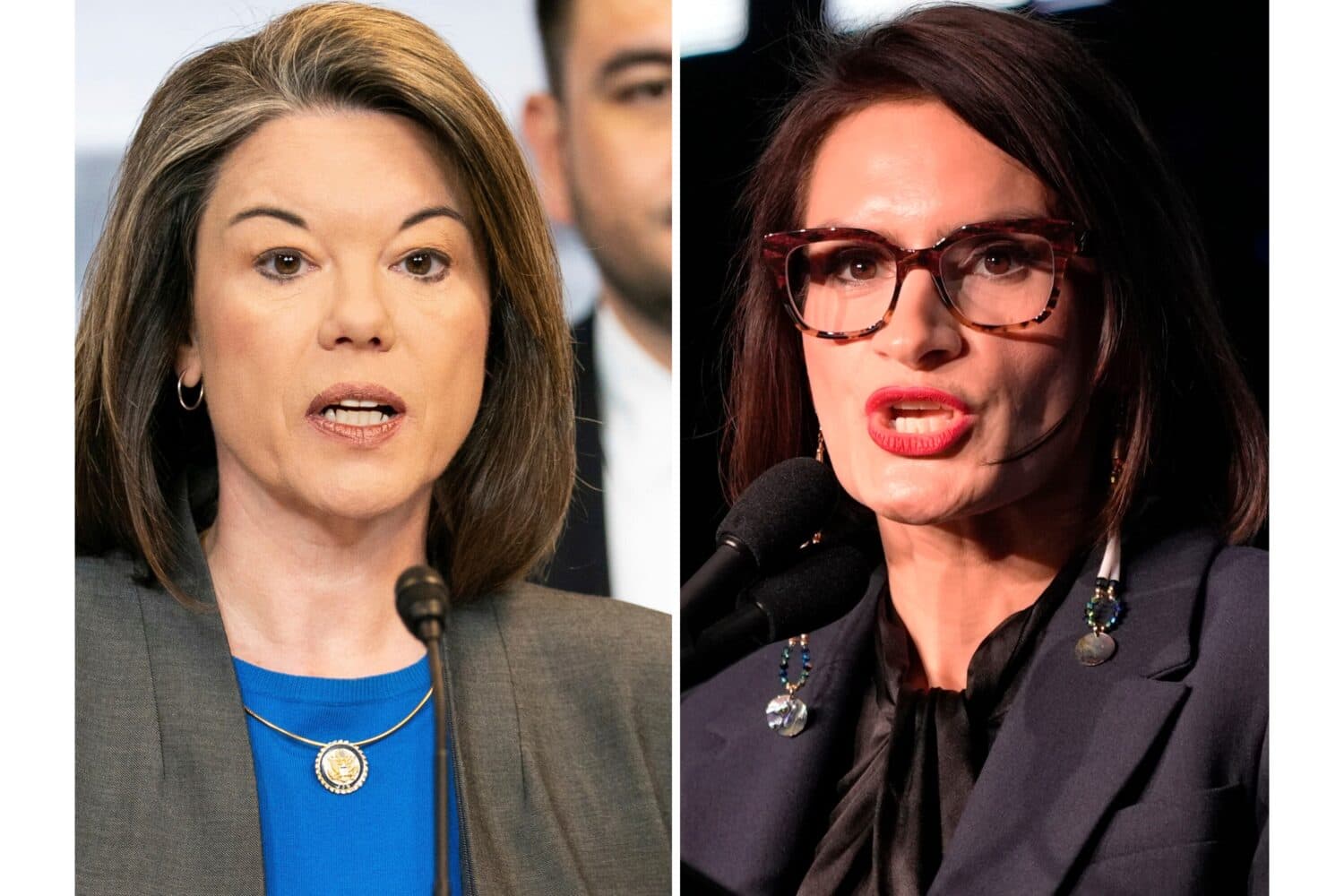
Minnesota’s Democratic Senate primary has become a contest over electability, corporate influence and how forcefully Democrats should oppose the Trump administration. Peggy Flanagan criticized groups she says are working to elect Angie Craig; Craig countered that Flanagan accepted corporate campaign funds and argued Democrats need resources to win. The primary is scheduled for Aug. 11.
Community verdict
VOTING CLOSED
No good or bad look here
This story reports what happened without casting Flanagan in a good or bad light, so readers don’t rate it and it doesn’t count toward Flanagan’s record.
People in this story
SWIPE →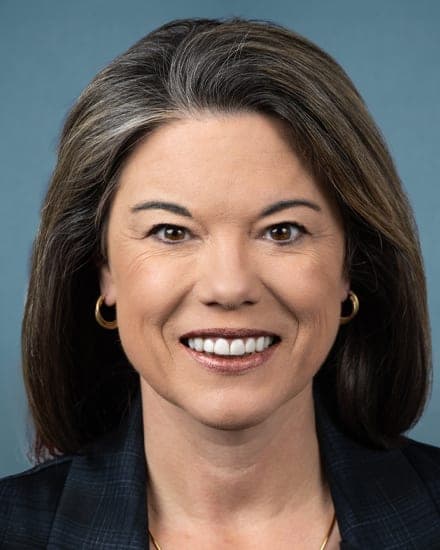
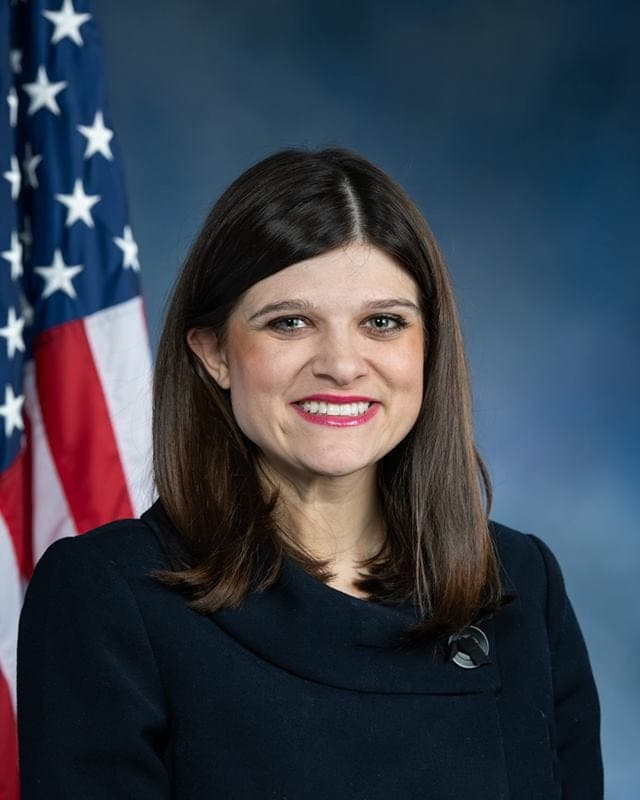
Michigan representative and Democratic Senate candidate

President of the United States
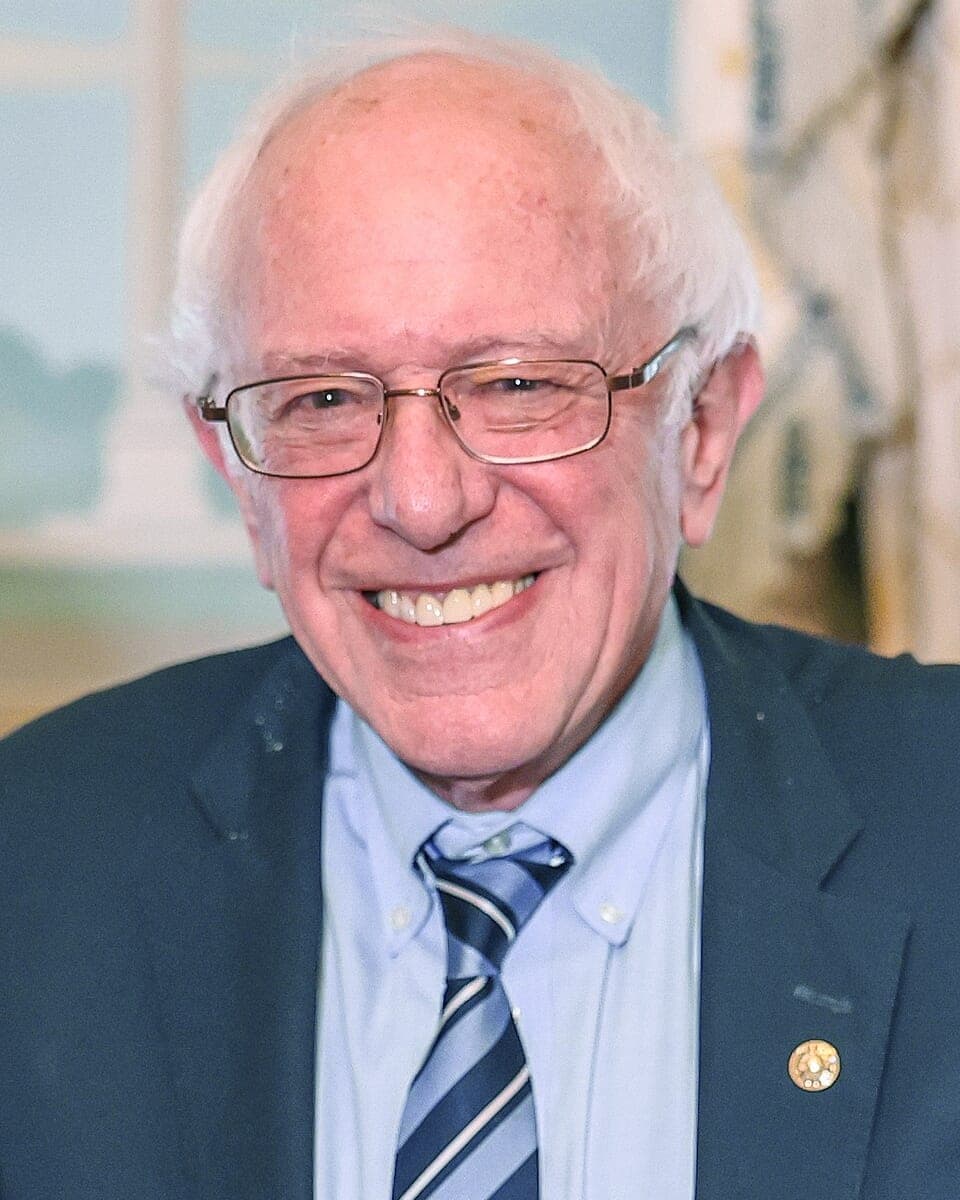
Vermont senator who backs Flanagan
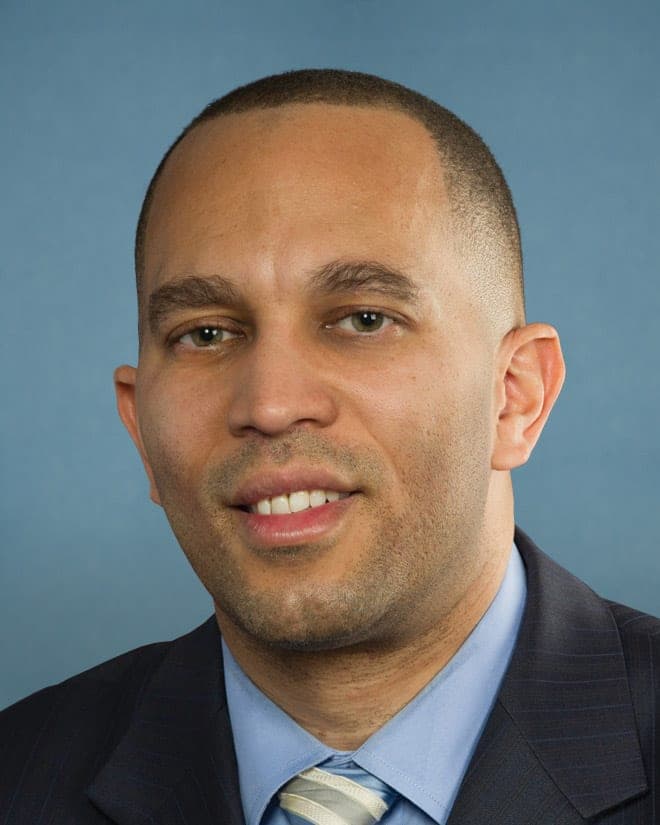
House minority leader who backs Craig
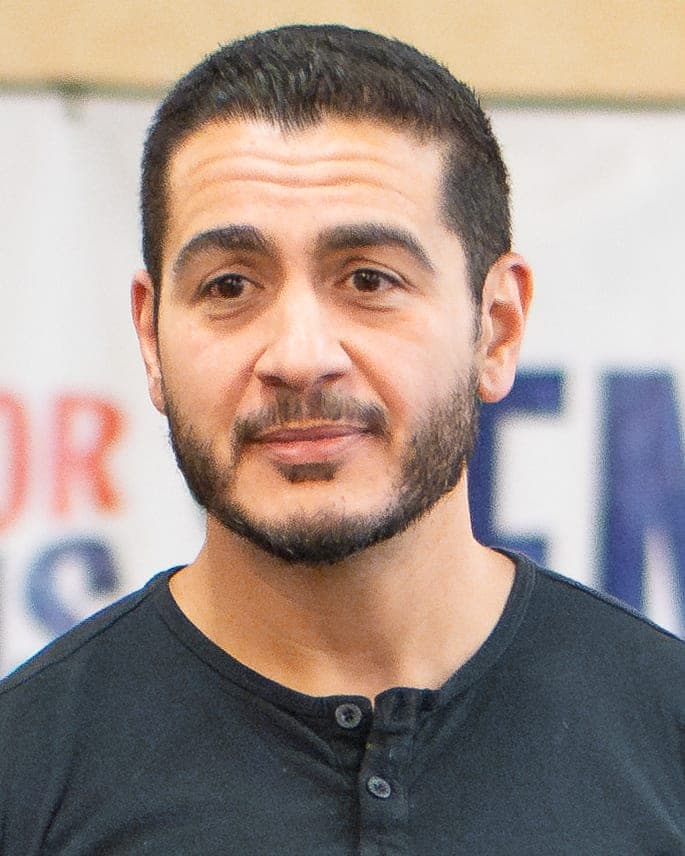
Democratic Senate candidate in Michigan

Former Democratic Senate candidate in Maine
Former Wisconsin lieutenant governor and Democratic gubernatorial candidate

Michigan senator who is retiring
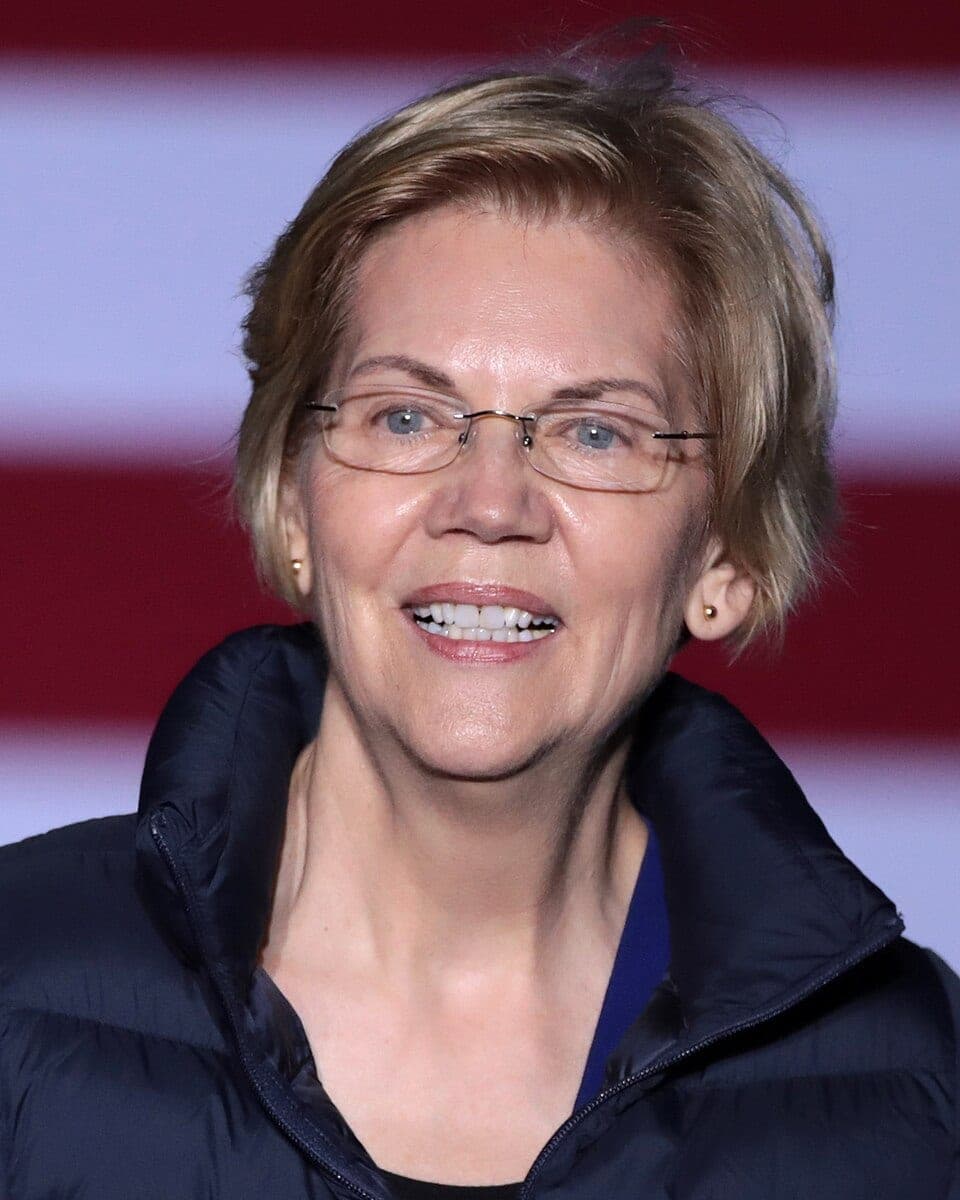
Massachusetts senator who backs Flanagan
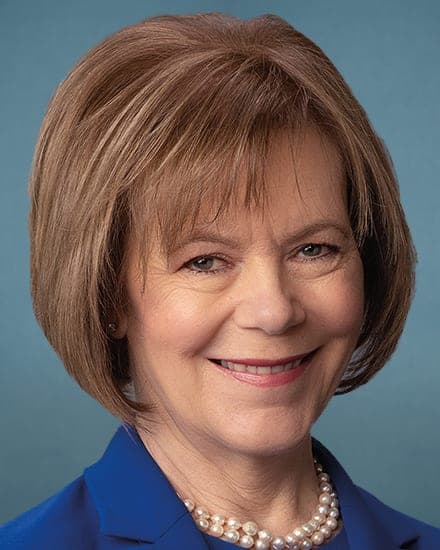
Minnesota senator whose seat is being contested
Part of a bigger story
15 OUTLETSOutlets agree that Flanagan and Angie Craig are competing in Minnesota’s Democratic Senate primary and disputing corporate money and influence. They place the race among broader Midwestern contests over progressive and moderate approaches, including questions of electability and party strategy. Center outlets frame the primary as part of a broader test of moderate and progressive Democrats, emphasizing electability and party strategy while presenting claims from both candidates. Right-leaning outlets take much the same approach, also treating the race as a test of the two factions and emphasizing electability.
- ARTICLES
- 27
- OUTLETS
- 15
- AVG CRED
- 81
Discussion · 0
Loading comments…