Black Michigan Voters Push Back Against El-Sayed: 'I'm Like, NO!'
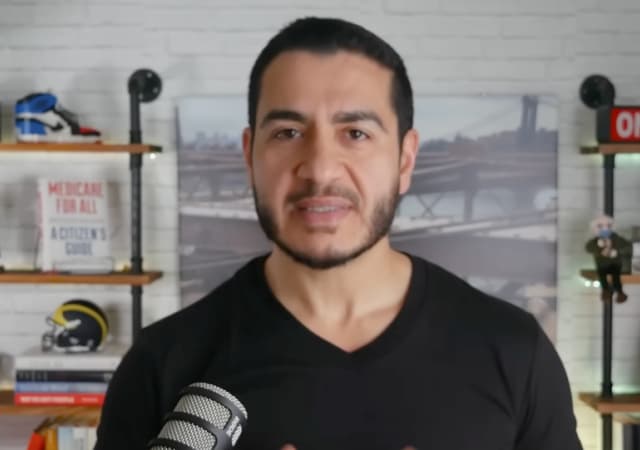
Michigan voters interviewed by MS NOW questioned whether he had reached out to Black communities as he seeks the Senate seat.
SOURCE CHECK
TAP FOR WHYThe publisher is an opinion-oriented outlet, and this article is explicitly argumentative rather than an independently balanced news report. It identifies its author and attributes some claims to interviews and other publications, but offers limited original verification.
- Source type — Opinion-first outlet; the piece openly advances an interpretation of the race.
- Source transparency — It attributes voter comments and cites other publications and polling, but gives limited detail for evaluating the poll or broader claims.
- Author attribution — The article names its author.
The article uses attributed remarks from a voter panel and acknowledges that the small group cannot represent statewide opinion. Its broader claims about the race lean heavily on a small sample, selected excerpts, and the author's interpretation, with little independent corroboration.
HOW WE SCORE ↗The article includes differing views among the interviewed voters and cautions that the sample is too small to establish statewide sentiment. However, the overall selection and interpretation emphasize skepticism toward El-Sayed, with little countervailing context.
- Source diversity — Includes several voter comments and references reporting by other outlets, but offers no response from El-Sayed or his campaign.
- Counterarguments presented — Includes a panelist who says she will vote for El-Sayed and acknowledges the focus group's limits.
- Loaded language — The article's descriptions of El-Sayed and its commentary are overtly critical.
- Opinion vs reporting — The author moves from reported remarks to predictions and personal conclusions about the race.
The article uses pointed language about El-Sayed and directly offers the author's own negative assessment of his campaign prospects. Its framing emphasizes voter reservations and possible Democratic weakness.
- Language tone — Uses labels such as “far-left” and “radical,” and calls one voter’s rationale “silly.”
- Framing — Frames the panel's reservations as evidence of a vulnerability for El-Sayed and Democrats.
- Authorial opinion — The author states a personal belief that the race is tighter than polling suggests.
A small group of Black Michigan voters interviewed by MS NOW expressed reservations about Democratic Senate nominee Abdul El-Sayed, though one said she would vote for him. The author argues that the reactions could signal a vulnerability in a close race, while acknowledging that the focus group cannot establish statewide opinion.
MS NOW contributor Elise Jordan interviewed five Wayne County voters who had supported Rep. Haley Stevens in the Democratic Senate primary; the network aired comments from three. Some questioned whether El-Sayed had reached out to Black voters, and one said she might vote uncommitted. Another said she planned to vote for him because she felt aligned with him and would regret not supporting him if he lost. The article also reports that some panelists might sit out the election.
The author says the small group cannot show how Black voters statewide will vote, but argues that low turnout or support for Republican Mike Rogers could affect a close contest. The piece cites polling and past primary results, and notes that former President Barack Obama was expected to visit on El-Sayed’s behalf.
Community verdict
VOTING CLOSED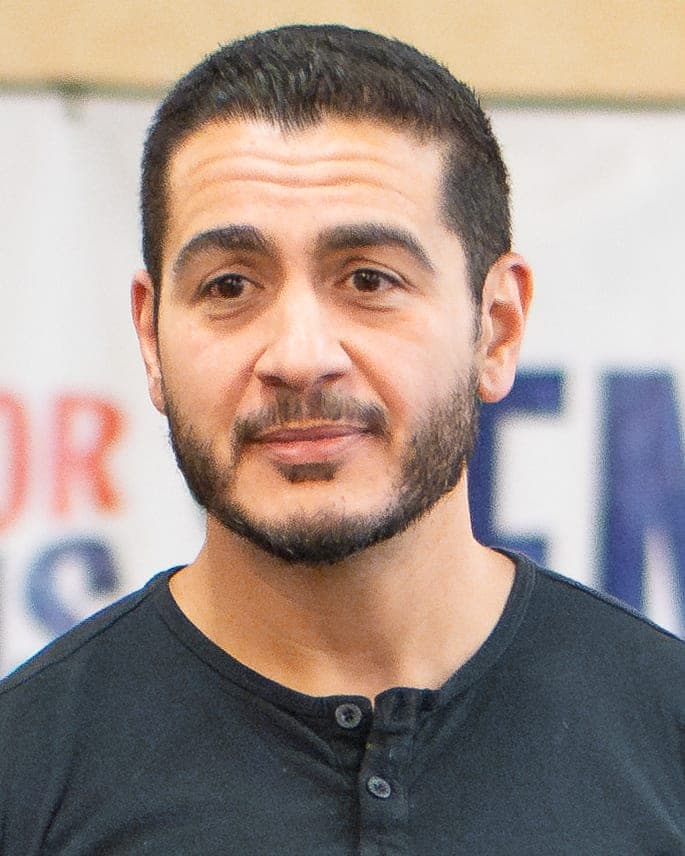
No good or bad look here
This story reports what happened without casting El-Sayed in a good or bad light, so readers don’t rate it and it doesn’t count toward El-Sayed’s record.
People in this story
SWIPE →
Michigan representative and Democratic Senate primary candidate
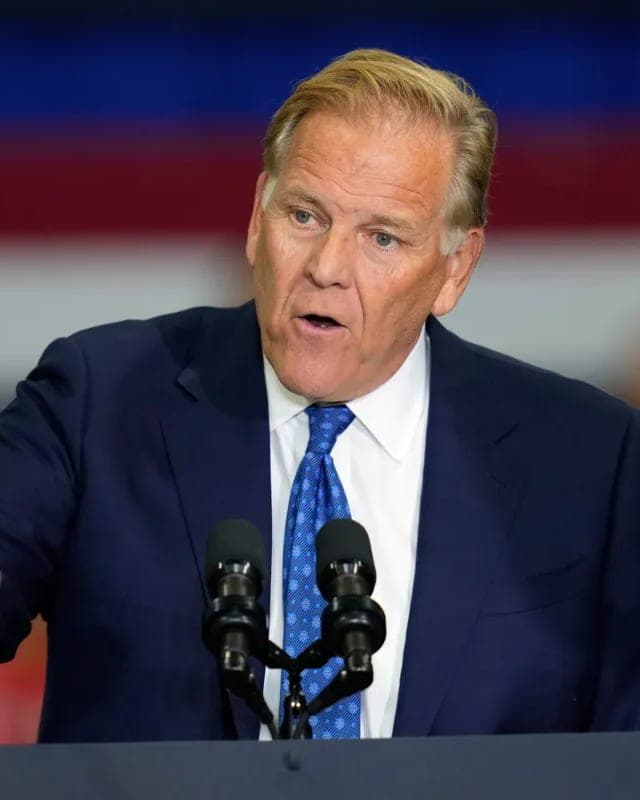
Republican Michigan Senate candidate
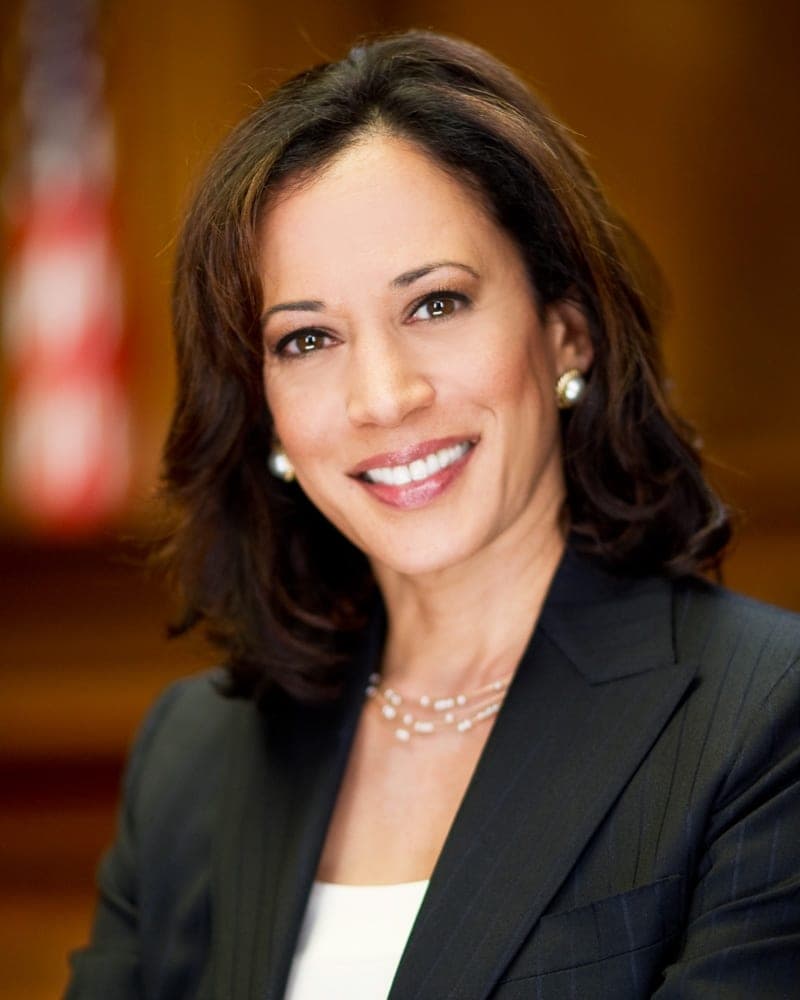
Former vice president
Part of a bigger story
13 OUTLETSEl-Sayed discussed negative experiences and tensions involving Black Americans and Arab Americans while describing efforts to connect with Black voters in Michigan. Right-leaning outlets generally present the remarks as politically damaging, connecting them to criticism and campaign attacks; one article instead focuses on a separate exchange with an Iranian-American student and a campaign ad.
- ARTICLES
- 16
- OUTLETS
- 13
- AVG CRED
- 56

Discussion · 0
Loading comments…