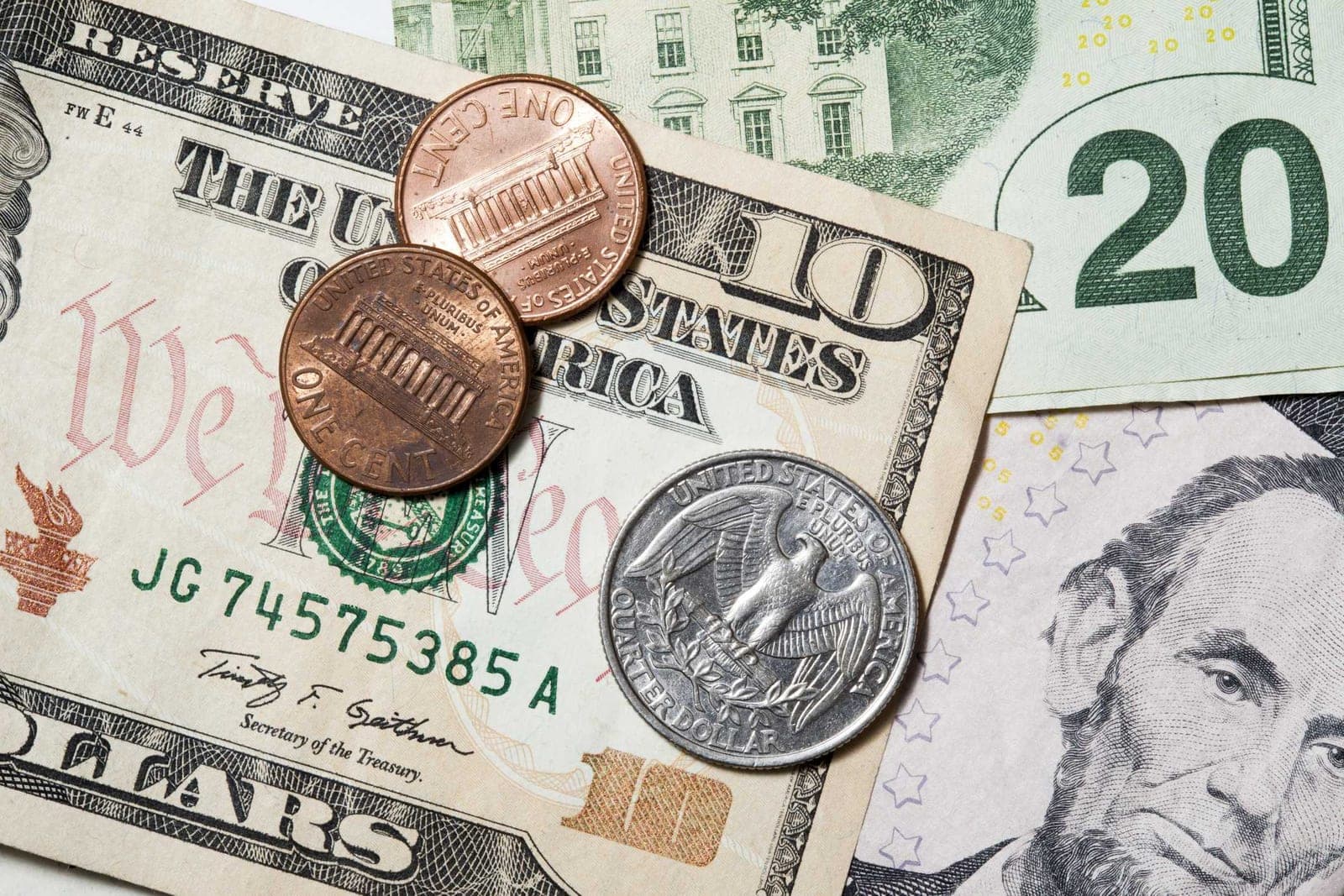
Lawmakers introduce bill to raise federal minimum wage to $25 an hour
García introduced the bill and said workers need wages that better meet the cost of living.
SOURCE CHECK
TAP FOR WHYKETV is an established local news outlet, and the story has a named author and reports the bill's provisions and referral. The short article provides limited sourcing for its broader claims and does not identify the critics it summarizes.
- Source type — Established local news outlet, supporting a generally credible baseline.
- Author attribution — A named reporter is credited.
- Editorial standards — The report gives concrete bill details and procedural status, but is brief.
- Source diversity — A lawmaker is quoted, but the critics' concerns are presented without named sources.
The story describes the proposal's wage levels and phase-in schedule, notes its committee referral, and includes both a supporter’s argument and a counterargument. The opposing view is generalized and the report offers limited supporting evidence or context.
HOW WE SCORE ↗The article explains the supporters' rationale and includes concerns about job losses and prices, but the opposing perspective is not attributed to specific people or evidence.
- Counterarguments presented — Potential job losses and higher prices are included as counterarguments.
- Source diversity — One named supporter is quoted; critics are summarized collectively rather than interviewed.
- Opinion vs reporting — The article is written as a news report and does not state an editorial verdict.
The report uses straightforward language, describes the proposal and its supporters' rationale, and includes a counterargument without an evident partisan framing.
- Language tone — Mostly factual wording without evident evaluative labels.
- Source selection — Includes a sponsor's argument and a generalized criticism of minimum-wage increases.
- Framing — Centers the bill's proposal and summarizes its expected effects without overtly endorsing it.
Four Democratic representatives introduced the Living Wage for All Act, which would gradually raise the federal minimum wage to $25 an hour. Supporters say it would help families meet rising costs; critics warn it could cause job losses and higher prices.
The Living Wage for All Act would raise the federal minimum wage to $25 an hour, with larger employers reaching that level by 2031 and smaller employers by 2038. The bill would also set standards to keep the minimum wage aligned with typical wages. The federal minimum wage is currently $7.25 an hour and has not increased since 2009.
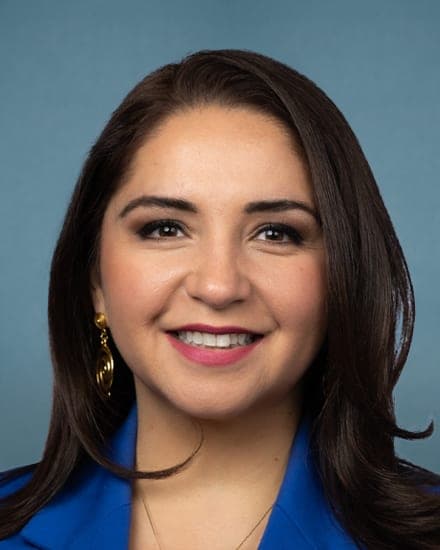
Representatives Delia Ramirez, Chuy García, Lateefah Simon and Analilia Mejia introduced the bill, which was referred to the House Committee on Education and the Workforce. Supporters say it would help families facing a rising cost of living. García argued that workers are struggling with everyday expenses, while critics of minimum-wage increases say employers could respond with job cuts or higher prices.
Community verdict
18 VOTES
Counts every outlet’s report of this story. See all 16
Votes cast on this page
Votes cast on this page: ▲ 0 · ◆ 0 · ▼ 0
People in this story
SWIPE →Co-introducer and public advocate for the federal minimum-wage bill
Co-introducer of the federal minimum-wage bill
Ramirez's version of this story ↗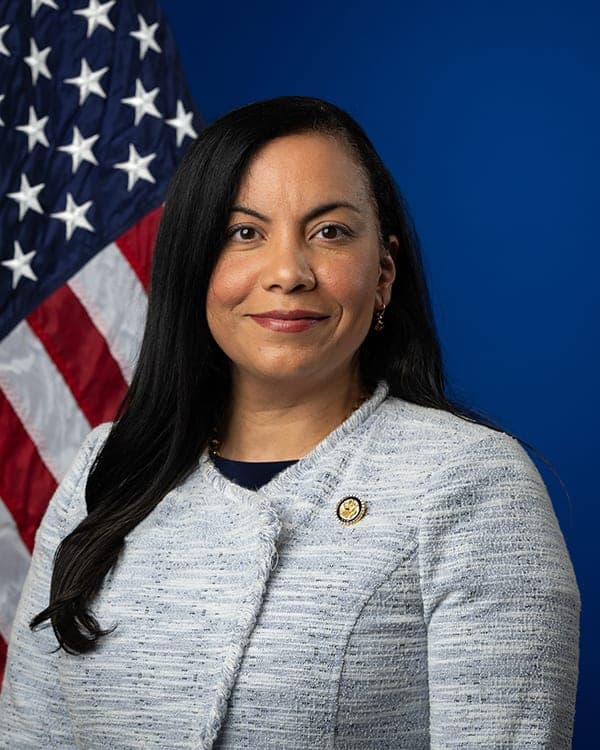
Co-introducer of the federal minimum-wage bill
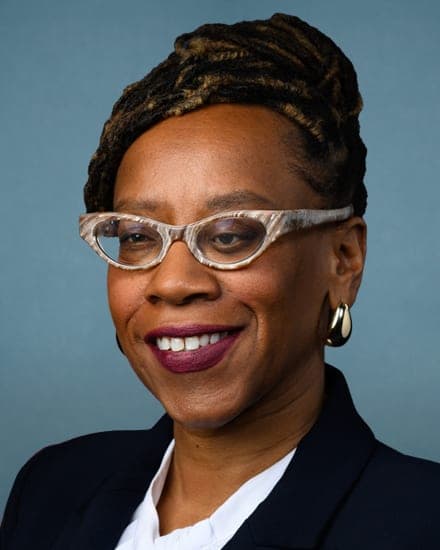
Co-introducer of the federal minimum-wage bill
Part of a bigger story
16 OUTLETSOutlets agree that Rep. Jesús García and other House Democrats introduced the Living Wage for All Act, which would gradually raise the federal minimum wage to $25 an hour. Center outlets present supporters’ case that higher wages would help families meet living costs alongside concerns about possible job losses and higher prices. Their coverage centers on the proposal’s potential effects.
- ARTICLES
- 16
- OUTLETS
- 16
- AVG CRED
- 76
Discussion · 0
Loading comments…