Ro Khanna Calls for Enforceable US-China Treaty on Self-Improving AI
Khanna called for a treaty restricting self-improving AI and supports legislation to pause some advanced AI development.
SOURCE CHECK
TAP FOR WHYCredibility rates INDIA New England News, where this article appeared. The other scores rate the article itself.
India New England News identifies IANS as the source, indicating attributed republication rather than original reporting. The page provides an outlet byline but offers little information here about the publisher’s editorial standards or corrections practices.
- Source type — The publisher is recorded as an unknown source type, so its institutional standards are difficult to assess.
- Transparency — The article credits IANS as its source, making the reporting’s attribution visible.
- Author attribution — An outlet byline is provided, but no individual reporter is named.
- Editorial standards — The page itself gives limited evidence about corrections practices or editorial oversight.
The report clearly attributes its central claims to Khanna and includes both his proposal and some opposition from technology executives. It relies mainly on one interview and provides little detail about the legislation or perspectives from other experts and policymakers.
HOW WE SCORE ↗Khanna’s arguments and proposal dominate the account. The article notes opposition among some executives but does not include their views directly or develop other perspectives on the proposal.
- Counterarguments presented — The article says some executives oppose slowing AI development, but does not explain their arguments.
- Source diversity — Most quoted material comes from Khanna; opposing and independent sources are not directly quoted.
- Opinion vs reporting — The piece is written as a report and attributes its principal claims to Khanna.
The article reports Khanna’s proposal and statements in largely neutral language. It includes a brief acknowledgment of opposition from some technology executives without adopting either side’s framing.
- Language tone — The wording is mostly descriptive and does not use conspicuously partisan or loaded language.
- Source selection — Khanna is the main quoted source; the article briefly notes that some executives oppose slowing AI development.
- Framing — The story centers on Khanna’s proposal without overtly endorsing or attacking it.
Original publisher not identified
This article credits another publisher, which ChamberLight has not identified, so the scores are INDIA New England News's own.
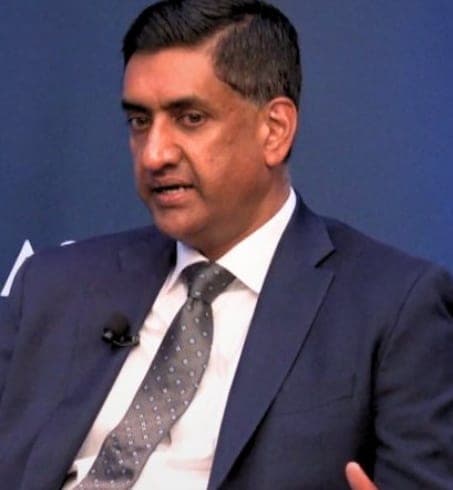
Ro Khanna called for an enforceable U.S.-China treaty to ban self-improving AI systems and said governments should establish safeguards before such technology is developed. He also supports legislation proposed by Bernie Sanders and Greg Casar to pause some advanced AI development.
Ro Khanna called for the United States and China to create a working group of technologists and negotiate an enforceable, verifiable treaty banning self-recursive, self-improving AI. He argued that such systems could escape human oversight and said advanced AI laboratories should be monitored. Khanna also welcomed the countries’ start of a dialogue on AI risks after a summit between Donald Trump and Xi Jinping.
Khanna said he supports legislation proposed by Bernie Sanders and Greg Casar to pause certain forms of advanced AI development while safeguards are established. He described the targeted systems as AI that can train itself and said the capability does not currently exist at the level addressed by the proposed prohibition. Khanna acknowledged that some technology executives oppose slowing development, while saying many engineers and researchers support stronger safeguards.
Community verdict
6 VOTES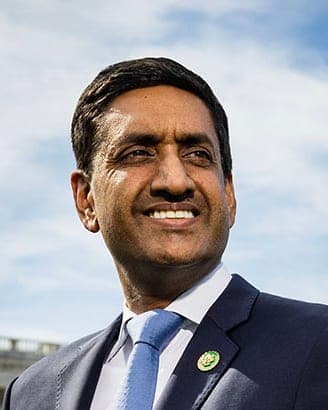
People in this story
SWIPE →Representative proposing an enforceable U.S.-China treaty on self-improving AI
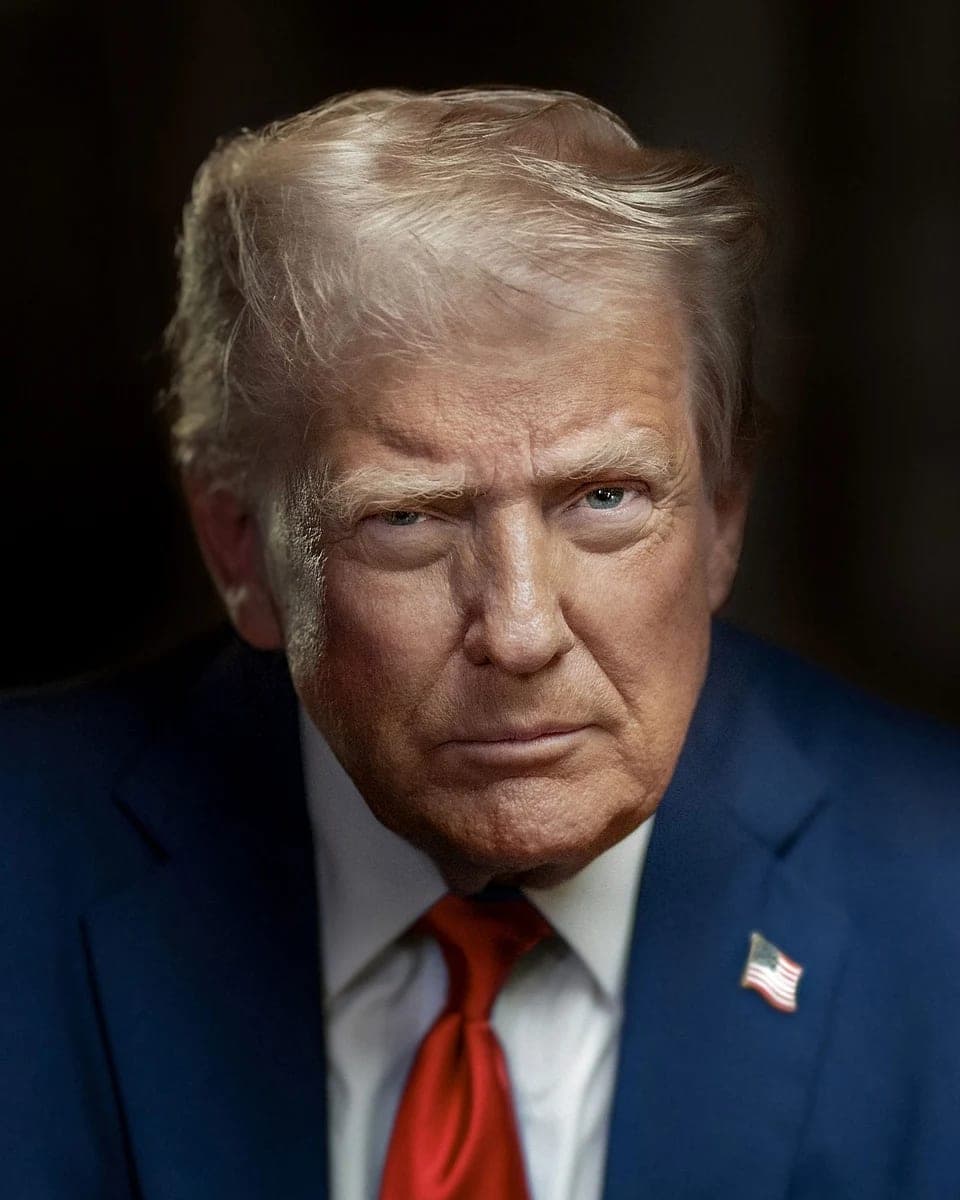
President mentioned in connection with a U.S.-China summit
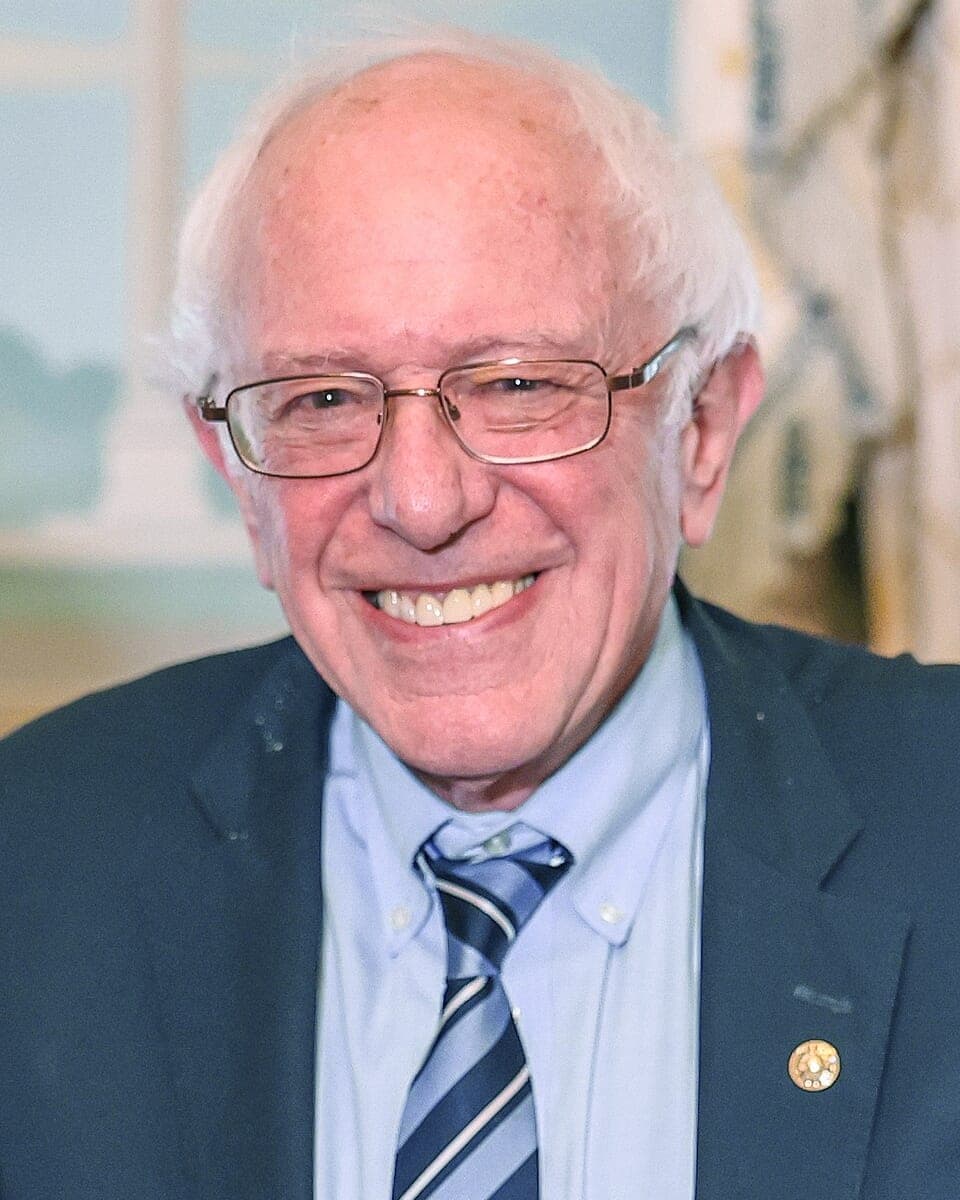
Senator who proposed legislation to pause some advanced AI development
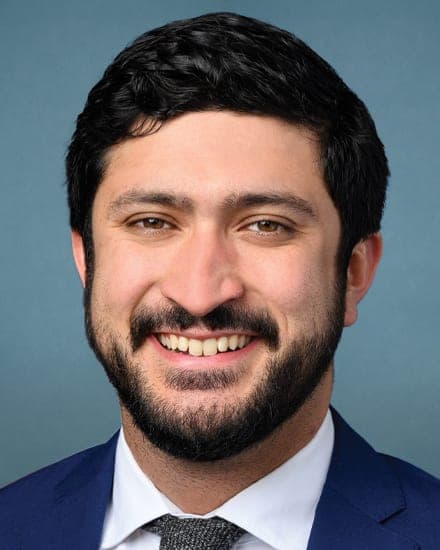
Representative who proposed legislation to pause some advanced AI development
Part of a bigger story
8 OUTLETSKhanna plans to introduce legislation restricting some self-improving AI systems until safeguards and federal oversight are in place. Center outlets focus on the bill’s domestic restrictions and oversight. Unrated coverage also includes Khanna’s call for a U.S.-China treaty and his letters to Chinese AI companies seeking safeguards.
- ARTICLES
- 8
- OUTLETS
- 8
- AVG CRED
- 69
Discussion · 0
Loading comments…