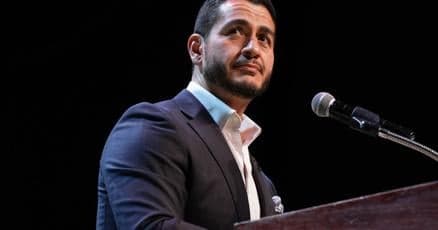
How Abdul El-Sayed went from political oblivion to progressive breakthrough in Michigan Senate race
El-Sayed won the Democratic Senate primary and now faces Republican Mike Rogers in November.
SOURCE CHECK
TAP FOR WHYCredibility rates Idaho State Journal, which republished this story. The other scores rate the article itself.
The reporting is attributed to The Associated Press, an established wire service with strong editorial standards and a substantial record of original reporting. The page identifies the AP as the source and carries an AP copyright notice.
- Track record — The Associated Press is an established national wire service with a strong record of original reporting.
- Editorial standards — AP is known for formal editorial standards and fact-focused reporting.
- Author attribution — The byline identifies an Associated Press reporter and notes a contributing AP reporter.
- Transparency — The page identifies AP as the source and includes its copyright notice.
The article includes vote totals, campaign details, and views from both the progressive side and Stevens’s more moderate argument, as well as context about outside spending and the general election. Some claims about campaign activity and spending are attributed to campaigns or interested political figures, and the piece offers limited independent analysis of the implications.
HOW WE SCORE ↗The article provides substantial context about El-Sayed’s campaign and progressive significance while also noting Stevens’s support, her argument about electability, and the narrow result. It includes perspectives from several political figures, though the narrative is centered primarily on El-Sayed and his supporters.
- Counterarguments presented — Reports Stevens’s case that her moderate approach and record suited her to face Rogers, and notes that nearly half of primary voters supported her.
- Source diversity — Quotes candidates, elected officials, a campaign volunteer, and a progressive organization leader.
- Framing — The story emphasizes El-Sayed’s trajectory and progressive movement, while acknowledging uncertainty about what the close result means.
- Opinion vs reporting — Political judgments are attributed to sources rather than presented as the reporter’s conclusions.
The article describes the progressive significance of El-Sayed’s win but also presents Stevens’s case, the narrow margin, and challenges facing El-Sayed in November. Its language and framing are broadly explanatory rather than clearly partisan.
- Language tone — Mostly neutral reporting language, with quoted political characterizations attributed to their speakers.
- Source selection — Includes perspectives from El-Sayed’s supporters, Stevens’s argument, party figures, and an outside group.
- Framing — Frames the result as both a progressive test and a close contest with a difficult general election ahead.
- Headline — The headline emphasizes El-Sayed’s political rise and progressive breakthrough, without overtly endorsing him.
Republished with credit
Republished from Associated Press, with credit to the original publisher.
453 stories · 96–97 · updated Sep 30, 2026
This is Associated Press's own score, and this article is credited to Associated Press. The host score in the Source Check is Idaho State Journal's.
Abdul El-Sayed narrowly defeated Rep. Haley Stevens in Michigan’s Democratic Senate primary, giving progressives a high-profile win in a battleground state. He will face Republican Mike Rogers in November, while the article describes party unity and the general election as the next tests.
El-Sayed defeated Stevens by 14,893 votes, just under 1 percentage point, after more than 1.5 million ballots were counted. The article says he ran on a progressive agenda and overcame more than $60 million in outside spending. Stevens had support from many of Michigan’s top Democrats and argued that her more moderate approach better positioned her to defeat Rogers.
The article presents the result as a test of whether progressives can win in a competitive state and says El-Sayed must now unify Democrats and compete in November against Rogers. Stevens conceded and pledged her support. The article also notes that outside spending and Republican advertising are expected to continue in the general election.
Community verdict
20 VOTES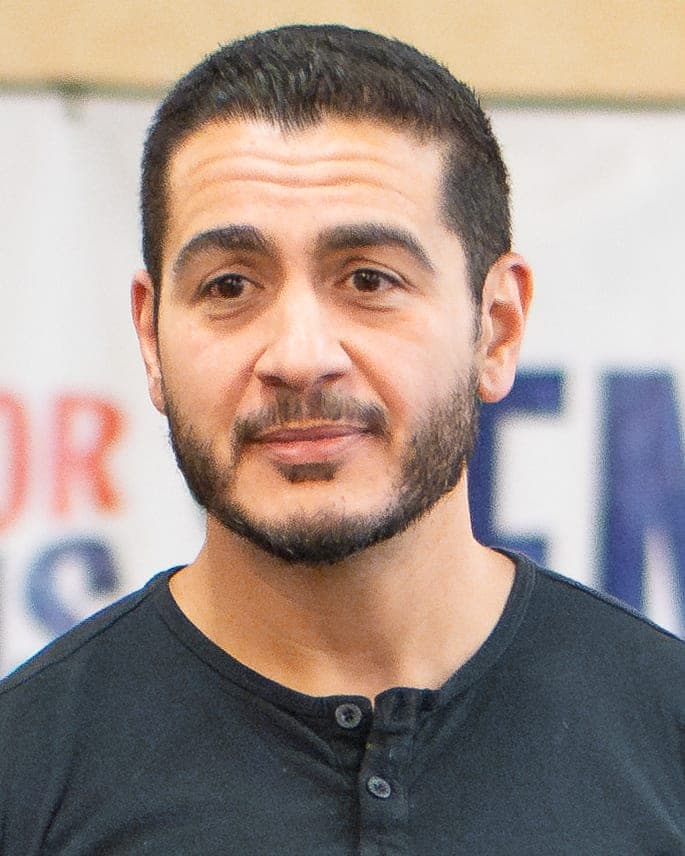
People in this story
SWIPE →
Democratic Senate primary candidate defeated by El-Sayed
Stevens's version of this story ↗Former Democratic Senate primary opponent who ended her campaign

President referenced as political context for the coming election
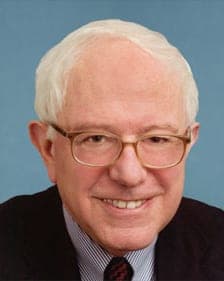
Senator and early supporter of El-Sayed
Republican candidate expected to face El-Sayed in the general election
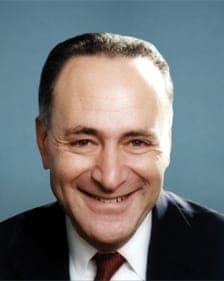
Senate Democratic leader who backed Stevens
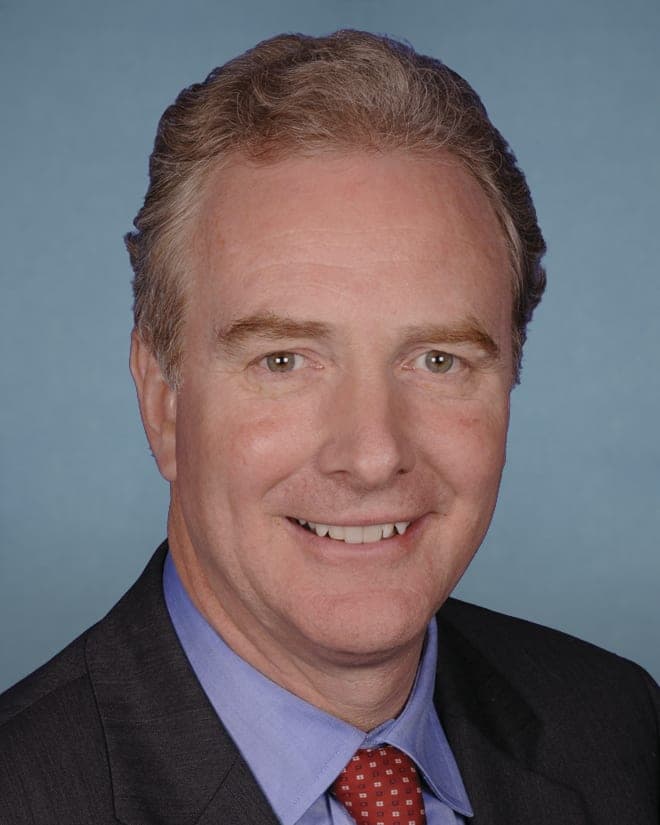
Senator and endorser of El-Sayed

Representative and supporter of El-Sayed
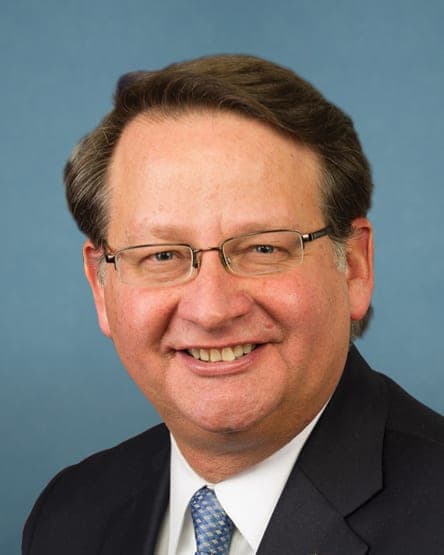
Outgoing senator whose decision not to seek reelection opened the seat
Michigan Democratic Party chair who called for unity after the primary
Part of a bigger story
23 OUTLETSOutlets agree Abdul El-Sayed won Michigan’s Democratic Senate primary, defeating Rep. Haley Stevens, and will face Republican Mike Rogers in November. Left-leaning outlets largely present the win as a progressive challenge to Democratic establishment influence, while also covering Republican attacks on El-Sayed. Center outlets connect the result to debate over the party’s direction, unity behind El-Sayed, and the November race. Right-leaning outlets more often present his progressive politics as a potential general-election liability, though some focus on endorsements or election results.
- ARTICLES
- 23
- OUTLETS
- 23
- AVG CRED
- 69
Discussion · 0
Loading comments…