Merkley Privacy Proposals Put Vehicle Data and AI Surveillance Before Congress
Merkley reintroduced a vehicle-data privacy bill and joined other lawmakers on a proposal restricting federal use of license-plate readers.
SOURCE CHECK
TAP FOR WHYThe publisher is recorded as an unknown source type, and the article provides little information from which to assess its editorial standards or corrections record. It has an attributed byline and a local-news presentation, but the story offers no named interview sources or linked documentation.
- Source type — The source type is unknown, so there is no strong institutional credibility signal.
- Transparency — The article does not show its sourcing or explain how its claims were verified.
- Author attribution — A byline is present, but the article gives no author credentials or reporting notes.
- Editorial standards — The publisher's standards and corrections practices cannot be established from the article.
The article gives concrete descriptions of the proposals and relevant Oregon law, and it acknowledges public-safety uses of license-plate readers. However, it relies on unattributed exposition, includes no interviews or direct responses from supporters and opponents, and supplies no links to the legislation or cited enforcement action.
HOW WE SCORE ↗The article explains the privacy case for the proposals and acknowledges that law enforcement uses license-plate-reader technology to investigate crimes. It does not present direct arguments from supporters or opponents, or explain in detail how the competing interests weigh against each other.
- Counterarguments presented — The article notes law-enforcement utility but provides no developed counterargument to the proposed restrictions.
- Source diversity — No interview sources or competing expert perspectives are presented.
- Omitted context — The story gives limited detail on implementation concerns or the positions of law-enforcement groups.
- Loaded language — The language is mostly descriptive rather than evaluative.
The article describes the privacy proposals and their provisions in largely neutral language. It notes both potential public-safety uses of the technology and concerns about detailed records of people’s movements.
- Language tone — The writing is explanatory and avoids conspicuously partisan or emotionally loaded terms.
- Framing — The story frames the issue as a tension between privacy and public-safety or commercial uses.
- Source selection — There are no quoted advocates or critics whose selection would clearly signal a partisan slant.
Sen. Jeff Merkley reintroduced a vehicle-data privacy bill and joined other lawmakers on legislation to restrict federal use of automatic license-plate readers. Neither proposal is law, while Oregon already has state protections for certain vehicle and location data.
Merkley reintroduced the Car Privacy Rights Act on Oct. 2. The proposal would generally require clear notice and consumer consent before covered entities share or sell vehicle-collected information, provide ways to revoke consent, and require annual data-practices reports to the Federal Trade Commission. The article also describes Oregon’s existing privacy protections and a recent FTC enforcement order involving General Motors and OnStar.
Merkley also joined Sen. Bernie Sanders and Rep. Alexandria Ocasio-Cortez on the Ban Flock Act. The proposal would bar federal agencies from using automatic license-plate readers or accessing their data and restrict some federal funding to state and local governments that use the systems. The article notes that such technology can aid law enforcement, while raising concerns about searchable records of people’s movements; neither proposal creates new obligations unless enacted.
Community verdict
18 VOTES
Counts every outlet’s report of this story. See all 14
Votes cast on this page
Votes cast on this page: ▲ 0 · ◆ 0 · ▼ 0
People in this story
SWIPE →Senator advancing two vehicle-surveillance and privacy proposals

Representative associated with a separate proposal involving federal support for surveillance technology

Senator who joined Merkley and Ocasio-Cortez on the Ban Flock Act
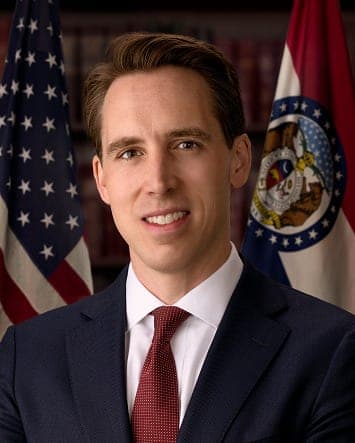
Senator associated with separate license-plate-reader legislation
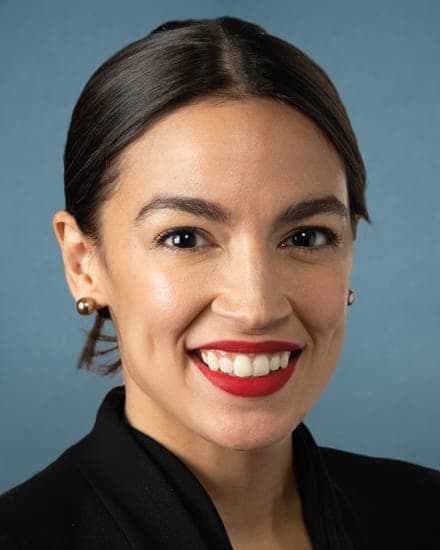
Representative who joined Merkley and Sanders on the Ban Flock Act
Part of a bigger story
14 OUTLETSOutlets agree that Sanders, Merkley and Ocasio-Cortez introduced the Ban Flock Act, which would restrict federal use of automated license-plate readers. Left-leaning outlets foreground surveillance-related privacy risks and reported misuse. Center outlets also cover privacy concerns, while placing the proposal amid scrutiny, alternative approaches and, in some accounts, the company’s response.
- ARTICLES
- 14
- OUTLETS
- 14
- AVG CRED
- 69
Discussion · 0
Loading comments…