Port: Taxpayer funded ads are wrong, and it doesn't matter who is doing it
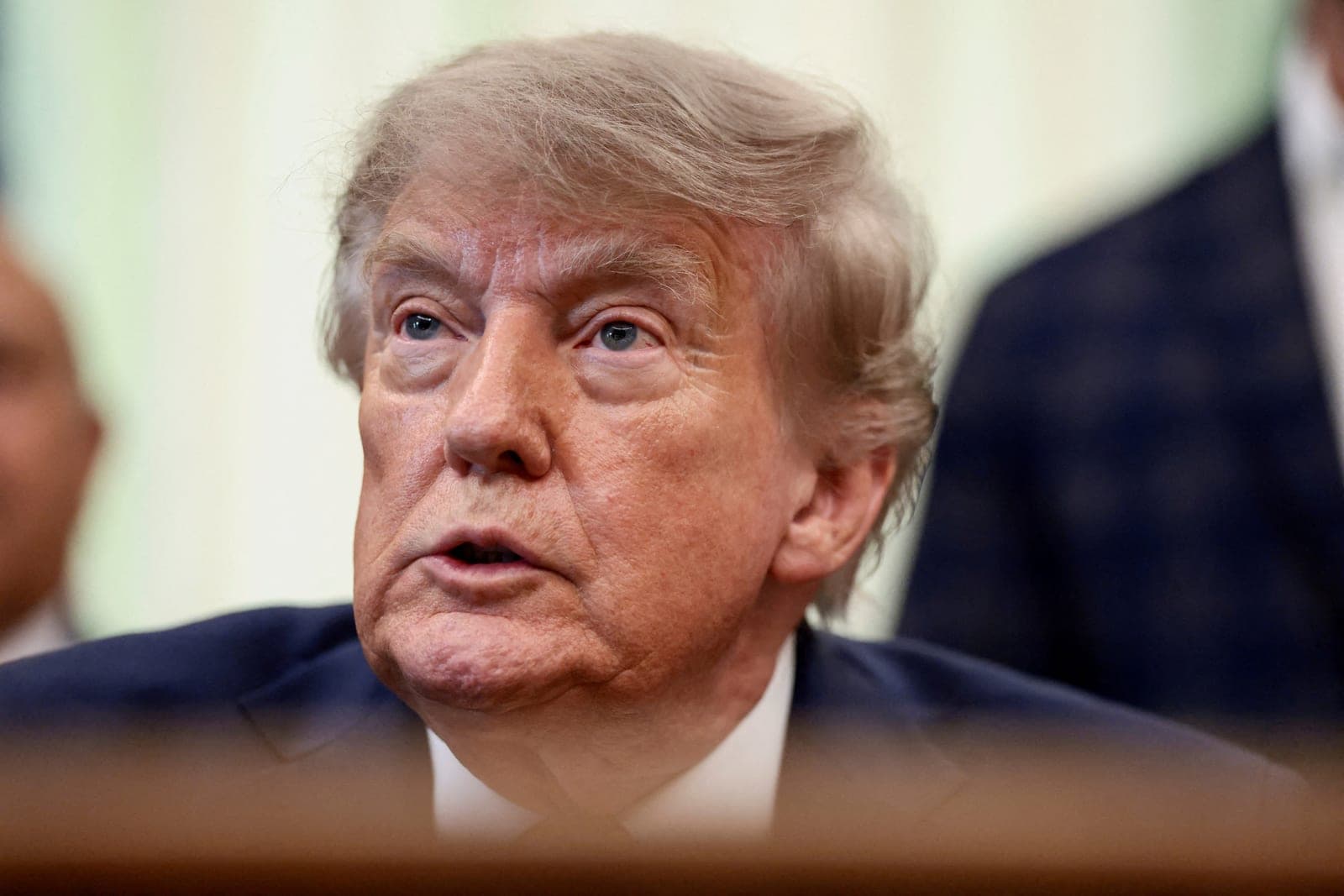
The column uses an ad by Trump’s administration as its main example of taxpayer-funded political promotion.
SOURCE CHECK
TAP FOR WHYThe Grand Forks Herald is an established regional newspaper, and the column identifies its author. This is an opinion column rather than a reported news story, so the publisher's credibility does not make the author's judgments independent reporting.
- Source type — Established regional newspaper; local-news classification supports a generally credible institutional baseline.
- Author attribution — The column is attributed to Rob Port.
- Editorial standards — The page is presented as an opinion column, distinguishing commentary from straight reporting.
The column includes attributed excerpts from Hoeven’s exchange with reporters and examples of similar practices across parties. Its central case is argumentative, however, and offers limited independent documentation or detailed responses from the officials whose ads it criticizes.
HOW WE SCORE ↗The column acknowledges examples involving both parties and includes Hoeven’s stated rationale and comments. It is nevertheless an opinion piece that argues forcefully against the practice and does not develop the officials’ explanations or provide independent examination of the ads.
- Counterarguments presented — Hoeven’s position and his reference to Obama and Biden are included, but not explored in depth.
- Loaded language — The author uses pointed language to condemn the ads and Hoeven’s response.
- Opinion vs reporting — The piece is explicitly a column and advances the author’s view.
- Source diversity — The article draws examples from both parties but relies primarily on the columnist’s account.
The column criticizes Trump’s administration but also faults Democrats and members of Congress from both parties for taxpayer-funded self-promotion. Its main argument is about consistent standards rather than a discernible partisan position.
- Framing — The central frame is that taxpayer-funded political promotion is wrong regardless of party.
- Language tone — The language is sharply critical of the practice and of Hoeven’s response, but criticizes conduct across parties.
- Source selection — Examples include Trump, Obama, Biden and lawmakers from both parties.
Columnist Rob Port argues that taxpayer-funded ads promoting political leaders are wrong regardless of party. He criticizes President Donald Trump’s administration for running such an ad and Sen. John Hoeven for declining to condemn it without seeing it, while noting similar practices by Democrats and other lawmakers.
Port says a television ad from the Trump administration was taxpayer-funded and, in his view, functioned as a campaign ad because it praised Trump and denigrated opponents rather than informing the public about a government service. He reports that Hoeven initially said he had not seen the ad and would not judge it without seeing it, while also saying taxpayer-funded ads should be public service ads. In an exchange with reporters, Hoeven cited ads by former Presidents Barack Obama and Joe Biden.
Port argues that taxpayer-funded promotion is a bipartisan problem. He points to Obama-era signs promoting recovery legislation, Biden-era promotion of infrastructure projects, congressional franked communications, and ads by Reps. Julie Fedorchak, Wesley Hunt, Hank Johnson and Josh Gottheimer. He concludes that leaders should criticize the practice regardless of which party is responsible.
Community verdict
3 VOTES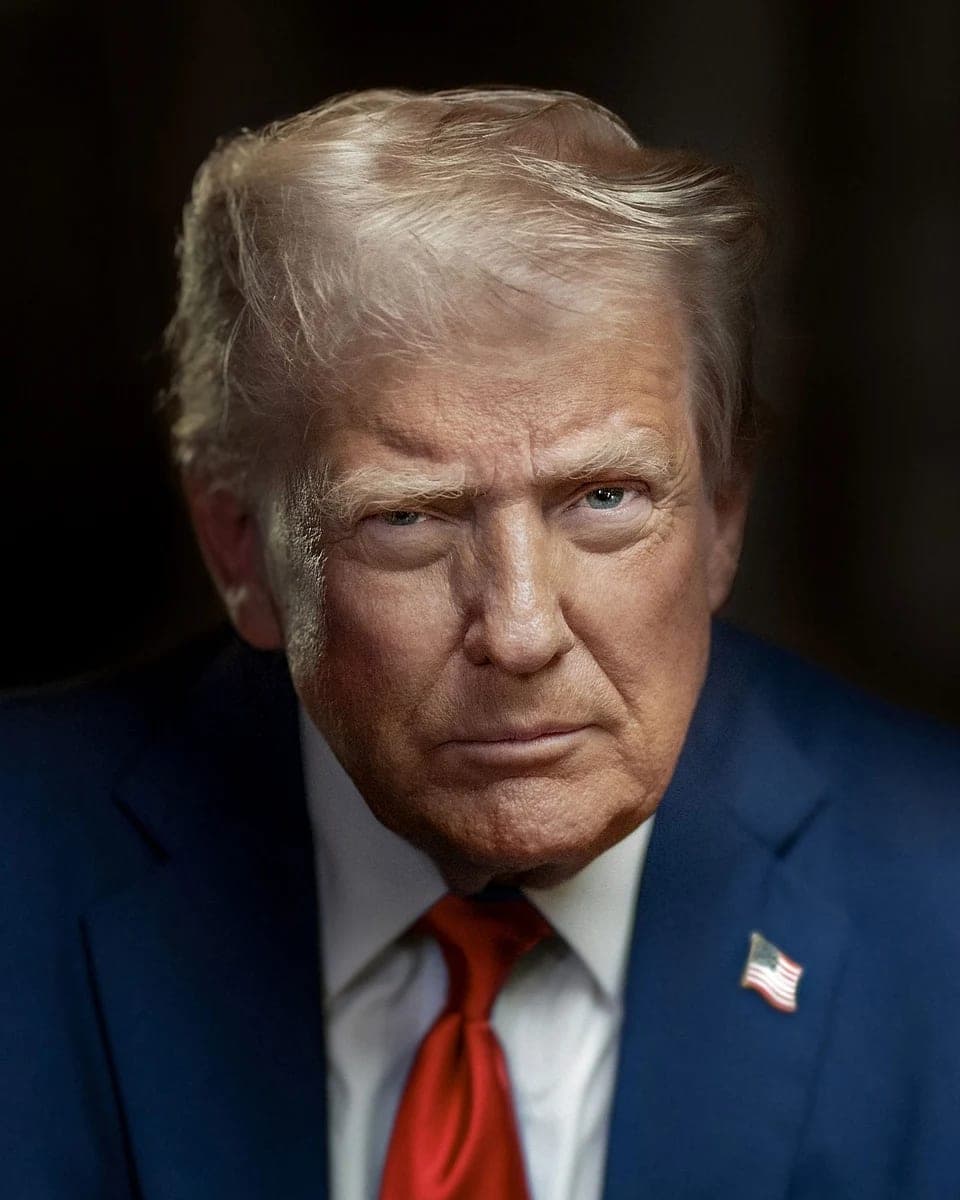
People in this story
SWIPE →President whose administration ran the taxpayer-funded ad
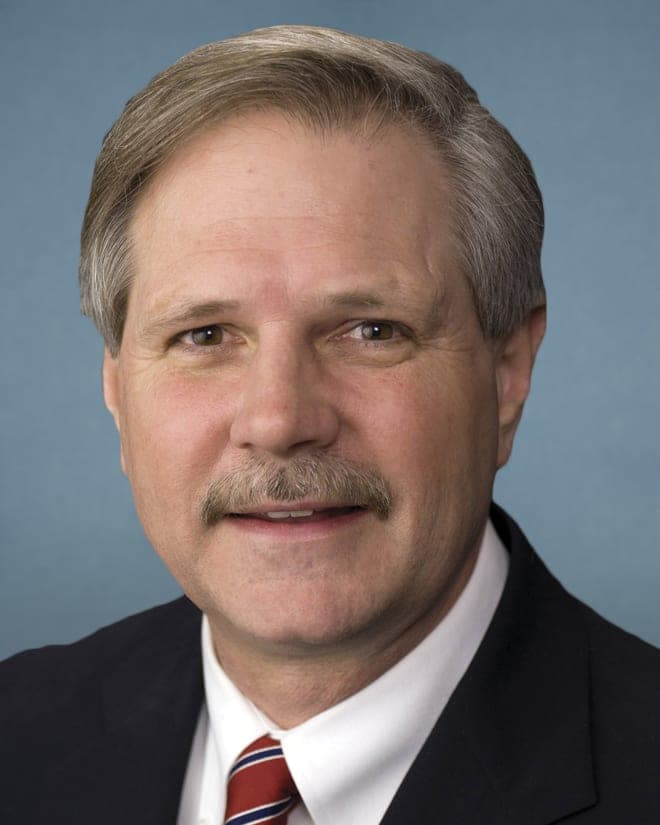
Senator responding to questions about the taxpayer-funded ad
Hoeven's version of this story ↗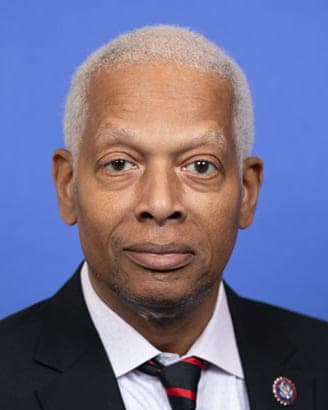
Representative whose ad is cited as an example
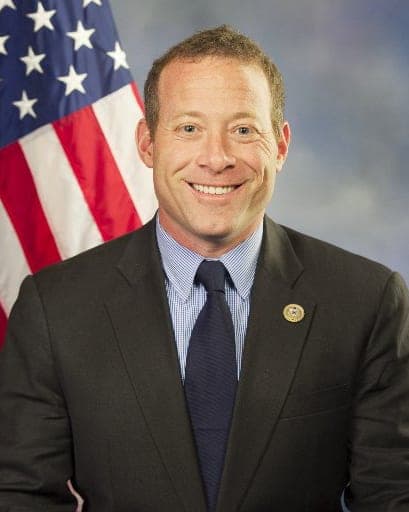
Representative whose ad is cited as an example

Representative whose franked ad is cited as an example
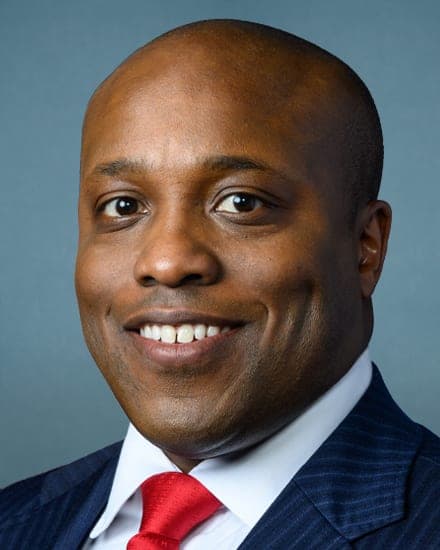
Representative whose ad is cited as an example
Part of a bigger story
8 OUTLETSLawmakers have questioned the use of federal money for television ads featuring Trump, which the White House describes as public-service announcements. Left-leaning outlets focus on demands for watchdog investigations into whether public money was used unlawfully for political messaging. Center outlets pair funding questions with the White House’s public-service rationale, while one column broadens the issue to taxpayer-funded political promotion across parties.
Discussion · 0
Loading comments…