The issue making politicians sweat as November midterms loom
Brown made Husted’s support for data centers a campaign issue while seeking to regain an Ohio Senate seat.

SOURCE CHECK
TAP FOR WHYBizPac Review is a partisan outlet rather than a newspaper of record, and the piece relies substantially on material attributed to the Daily Caller News Foundation and other outlets. It identifies an author and attributes many claims, but the publisher’s editorial and correction practices are less transparent than those of leading national news organizations.
- Source type — A partisan national outlet; its stated national-news category merits a lower credibility assessment than established independent national reporting.
- Author attribution — The article names an author and attributes quotations and polling to identifiable sources or publications.
- Transparency — The text identifies several source organizations, but an administration source remains anonymous.
- Editorial standards — The publisher’s partisan identity and limited evidence of newsroom standards in the article weigh against a higher score.
The article offers multiple polls, named sources and opposing campaign statements, and it attributes many claims. Its evidence is uneven: it relies on an anonymous administration source, campaign and advocacy statements, and polling with limited methodological detail; it provides little direct testimony from affected communities.
HOW WE SCORE ↗The article includes pro- and anti-data-center arguments, polling, and statements from both parties and competing campaigns. However, much of the evidence comes from political spokespeople, advocates and secondhand reporting, with little direct input from residents affected by development.
- Counterarguments presented — The article presents both the case for economic growth and national competitiveness and concerns about utility costs, water use and community control.
- Source diversity — It draws on polls, officials, campaign spokespeople, strategists and advocacy groups, but includes no direct interviews with affected residents.
- Loaded language — Most charged descriptions occur in attributed quotations; the reporter’s own language is generally restrained.
- Omitted context — The article gives limited detail about poll methods and the local circumstances behind the cited impacts.
The article is broadly reportorial but gives substantial space to Republican and administration arguments about growth and competition with China, while also presenting criticism of data centers and Democratic campaign claims. Its framing modestly favors a conservative political perspective without making the article uniformly partisan.
- Source selection — Quotes administration and Republican strategists alongside Democratic campaigns, advocates and polling sources.
- Framing — Frames the question around electoral consequences and whether politicians can sell data center development, including concerns about Democrats’ messaging.
- Language tone — Mostly attributed and descriptive, with some loaded wording in quoted campaign statements rather than the reporter’s narration.
The article examines whether public opposition to data centers could affect the midterms, describing competing arguments over their costs and benefits and campaign activity in several races. It highlights Ohio Senate candidates Sherrod Brown and Jon Husted, including Husted’s Ratepayer Protection Act and the Senate’s 57-43 vote blocking its advancement.
The article says concerns about data centers—including electricity costs, water use and local control—have crossed party lines. It describes polling on voter attitudes, the Trump administration’s support for data center development, and arguments from advocates and strategists about how politicians should address the issue.
The article presents Ohio and Michigan Senate races as examples of the issue’s campaign role. It reports that Brown has criticized Husted’s past support for data centers, while Husted backed legislation requiring data center companies to cover associated energy costs; the Senate blocked the bill’s advancement 57-43. It also describes data center positions taken by Michigan candidates Mike Rogers and Abdul El-Sayed.
Community verdict
20 VOTES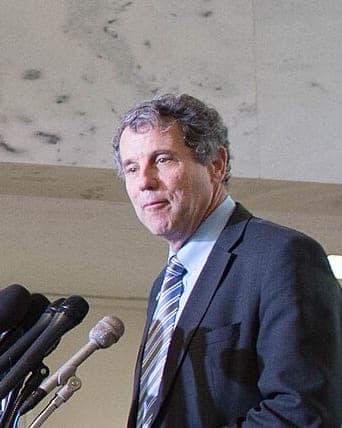
- Readers of left-leaning coverage: not enough votes yet
- Readers of right-leaning coverage: 56% good look
People in this story
SWIPE →Senate candidate criticized for his campaign attacks on Husted over data centers
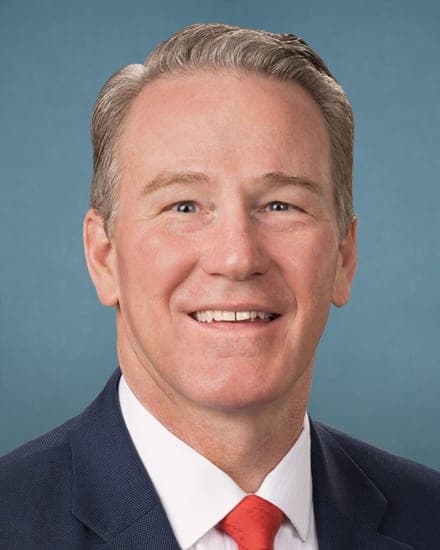
Senator and Senate candidate whose data-center legislation and record are discussed
Husted's version of this story ↗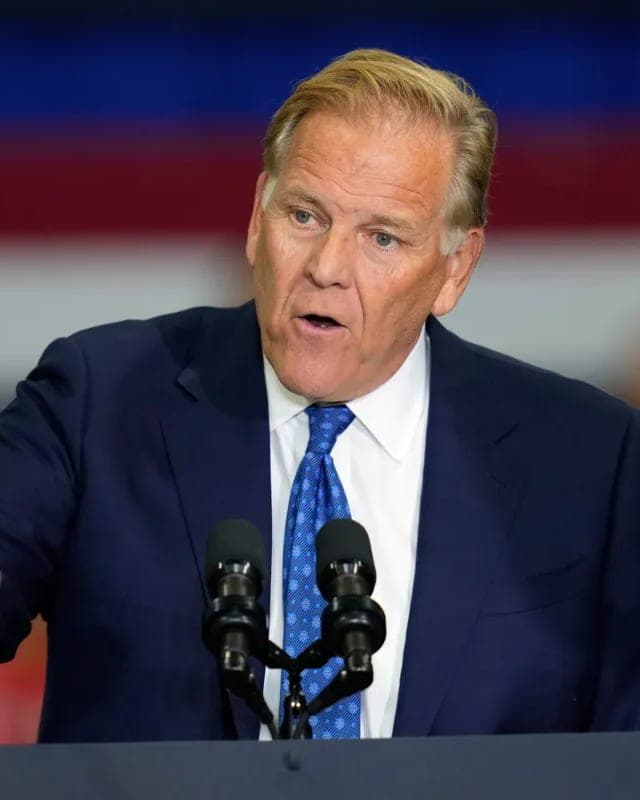
Republican Senate candidate who called for a temporary pause on new data centers
Rogers's version of this story ↗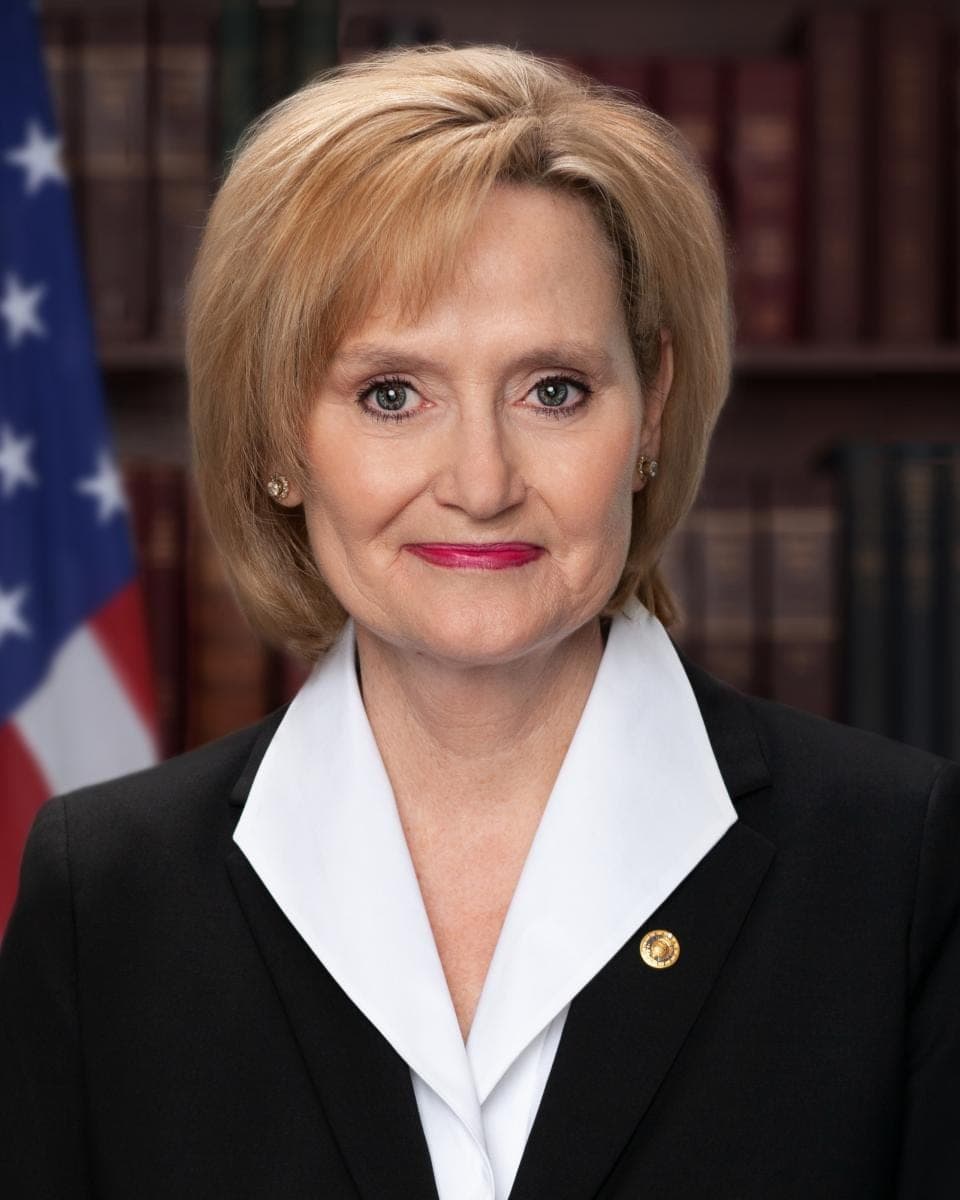
Senator named as a recipient of super PAC support
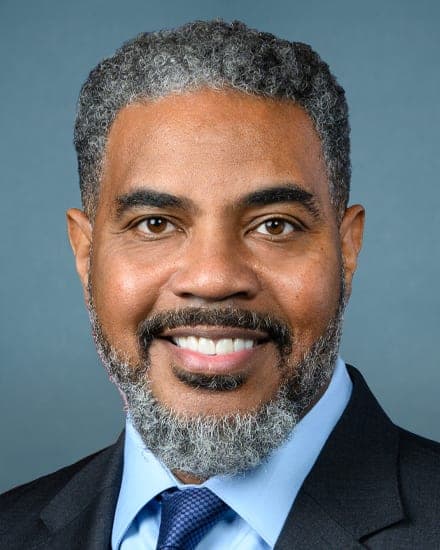
Representative named as a recipient of super PAC ad support

Representative named as a recipient of super PAC ad support

President who supports data center development
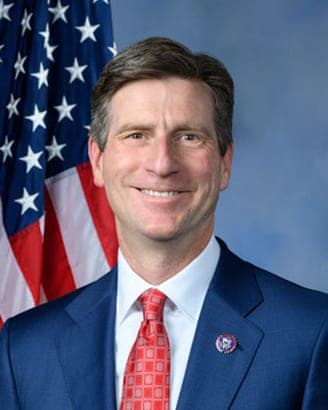
Representative named as a recipient of super PAC ad support

Senator who joined Ocasio-Cortez in proposing a data-center moratorium bill
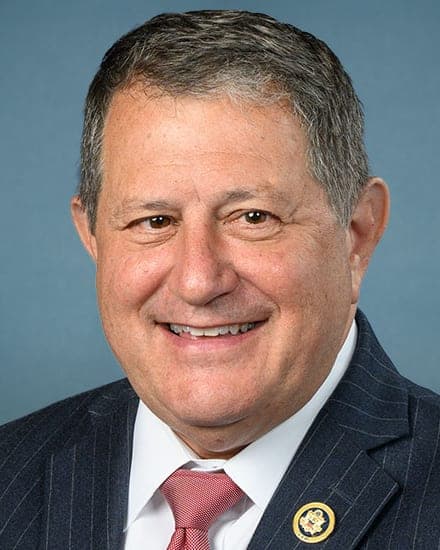
Representative named as a recipient of super PAC ad support
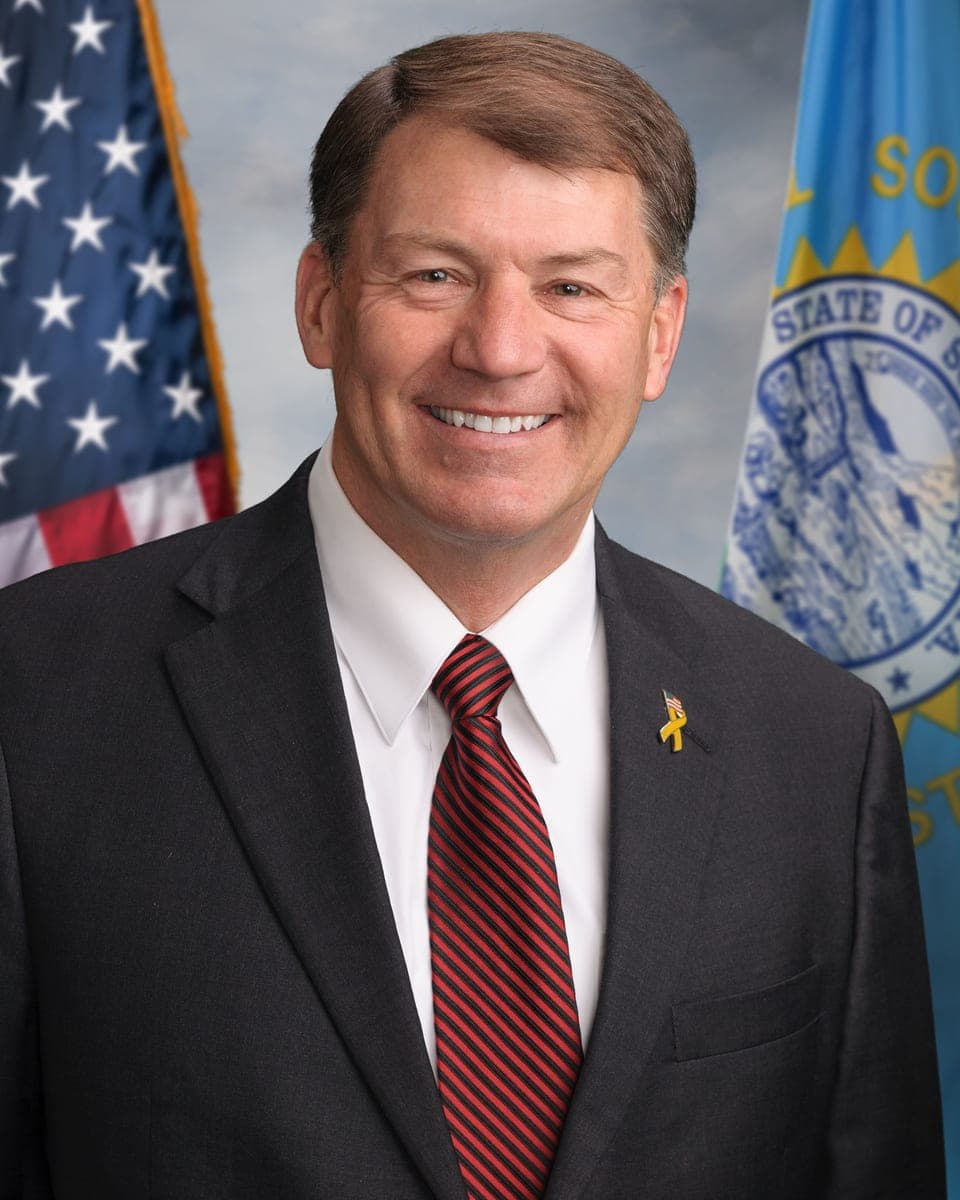
Senator named as a recipient of super PAC support

Senator named as a recipient of super PAC support

Representative named as a recipient of super PAC support

Democratic Senate candidate advocating data-center requirements and a statewide pause

Representative who joined Sanders in proposing a data-center moratorium bill
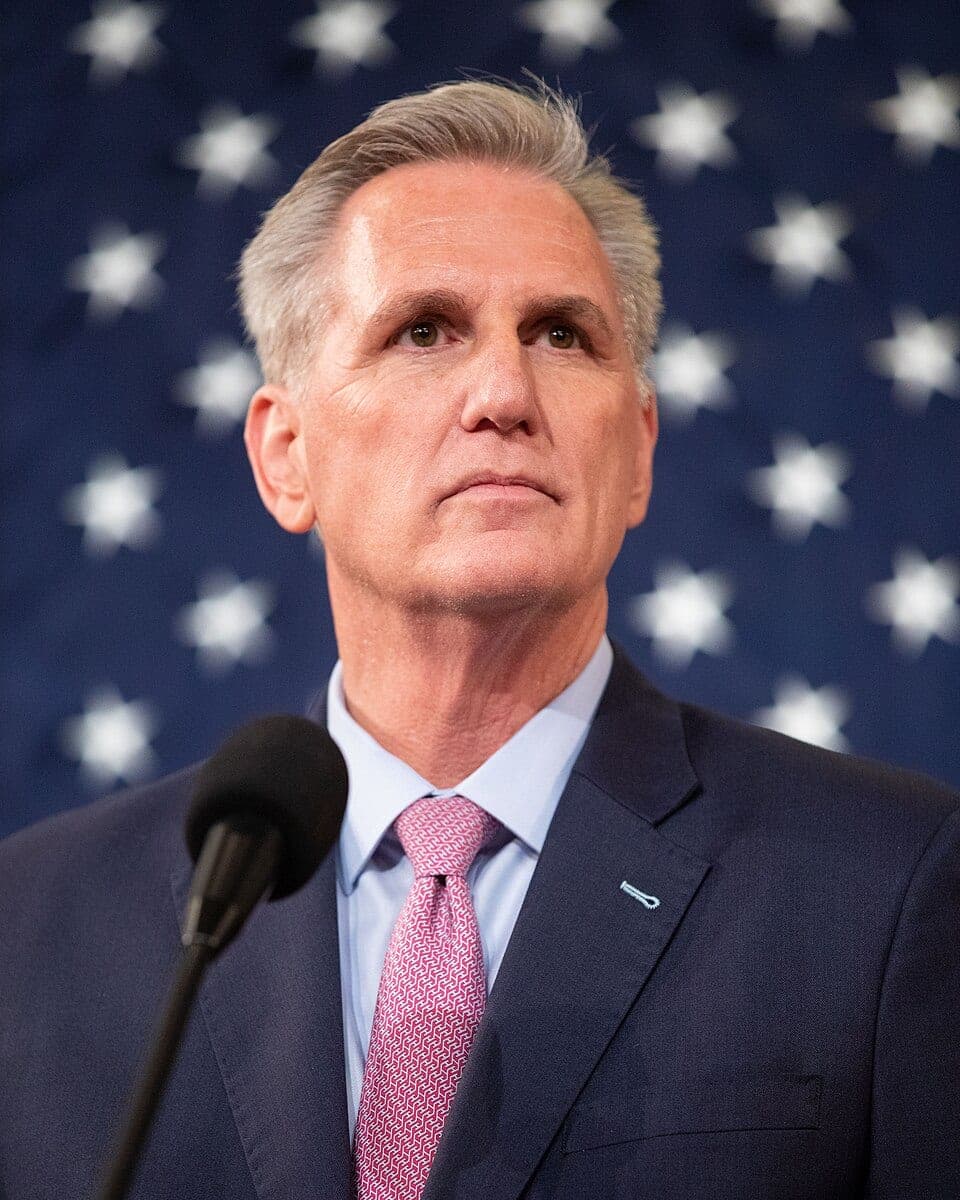
Former House Speaker referenced through his former communications director
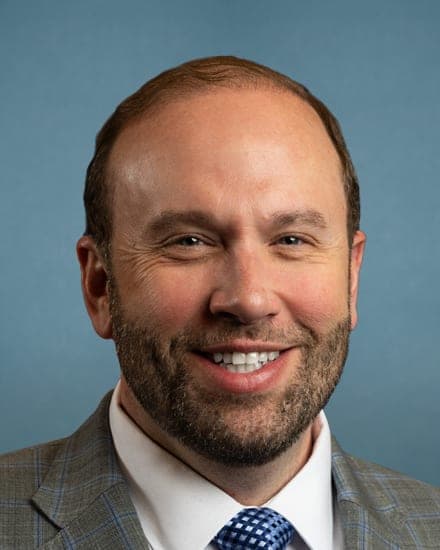
House Ways and Means Committee chairman who commented on groups protesting data centers
Discussion · 0
Loading comments…