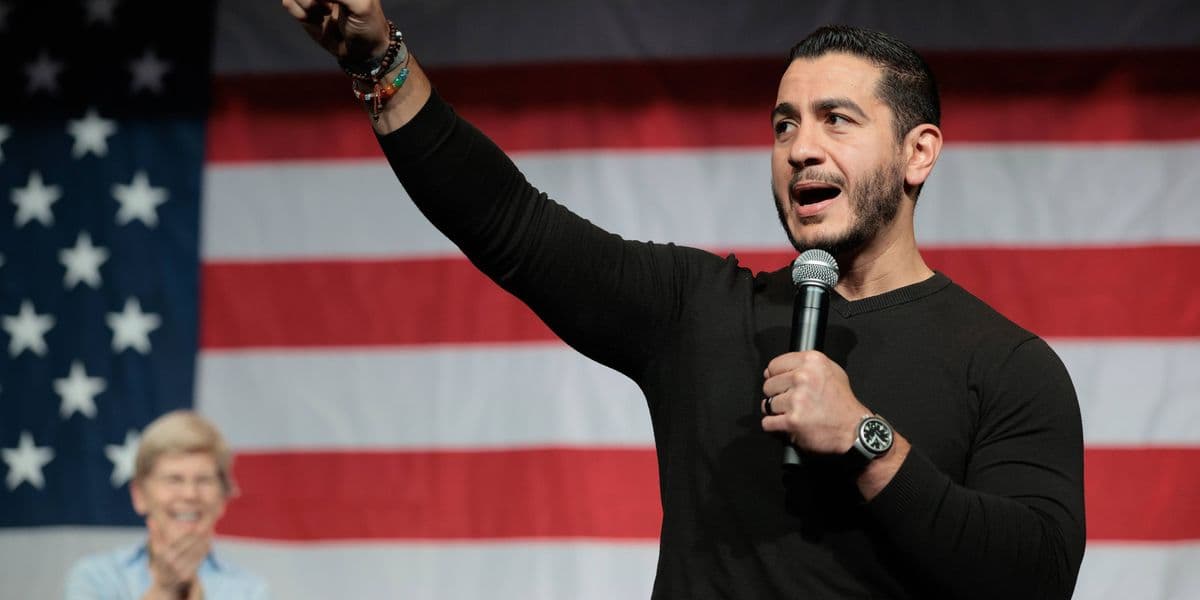
El-Sayed Releases Policy Proposal to Get AI Development 'Under Control'
El-Sayed proposed new federal oversight of AI development and renewed his call for a pause on advanced AI.
SOURCE CHECK
TAP FOR WHYCommon Dreams is an established nonprofit news outlet with a recognizable editorial identity, though its progressive orientation warrants some caution. The article has no named author in the available information, and there is limited evidence here about corrections practices.
- Source type — An established national nonprofit outlet, though one with a progressive perspective.
- Editorial standards — The article is presented as news and attributes several statements, but the text alone provides limited detail about reporting standards.
- Author attribution — No individual author is identified in the available article information.
- Correction history — The article provides no specific evidence about correction practices.
The article gives specific elements of the proposal and attributes key remarks, while drawing on a poll and reporting on an opponent’s position and financial connections. It offers little detail about independent expert views or counterarguments to El-Sayed’s proposal, and several claims about company conduct and financial interests receive limited sourcing in the text.
HOW WE SCORE ↗The article reports the proposal and includes a counterpoint about Republican support for rapid development, Rogers’s moratorium position and poll results. It does not provide a detailed defense of the opposing approach or independent evaluation of the proposed regulatory framework.
- Counterarguments presented — Republican calls for rapid development and Johnson’s concern about China are included, but their case is not developed beyond that.
- Source diversity — The story includes candidate statements, executive comments and a poll, but no independent policy experts or detailed opposing voices.
- Omitted context — The proposal’s implementation, tradeoffs and potential effects receive little examination.
- Opinion vs reporting — The piece is written as reporting and attributes its principal claims.
The report gives substantial space to El-Sayed’s regulatory proposal and safety concerns, while presenting Republican support for rapid development mainly as a counterpoint. Its selection and framing lean somewhat toward stricter regulation, though it uses attributed claims and quotes.
- Framing — The report foregrounds potential AI dangers and El-Sayed’s regulatory response.
- Source selection — The article includes El-Sayed, safety-focused executives and progressive lawmakers, with less detail on arguments for rapid development.
- Language tone — Most evaluative or urgent language is quoted or attributed rather than stated directly by the reporter.
- Headline — The headline centers El-Sayed’s call to bring AI development under control.
Michigan Senate candidate Abdul El-Sayed unveiled an AI regulatory proposal calling for limits on self-improving systems, oversight of AI labs and a pause on advanced development. The article contrasts his approach with Republican support for faster AI development and discusses rival Mike Rogers’s data-center stance and financial ties.
Abdul El-Sayed, a Democratic Senate candidate in Michigan, introduced his “AI Under Control” proposal, calling for a ban on recursive self-improvement, a new federal agency to inspect AI labs and halt dangerous releases, mandatory reporting of safety breaches, whistleblower protections, and a national emergency response plan. He also reiterated a call to pause advanced AI development until a regulator is established and to halt AI data-center development. The article connects his proposal to concerns raised by AI executives and lawmakers Bernie Sanders and Greg Casar.
The article says President Donald Trump and other Republican leaders have called for rapid AI development, quoting House Speaker Mike Johnson’s warning that China could overtake the United States if regulations are imposed. It reports that El-Sayed’s opponent, Mike Rogers, supports a one-year moratorium on Michigan AI data centers, while noting criticism of his investments and campaign donations from people with AI and data-center interests. A poll cited by the article found Michigan voters had greater confidence in El-Sayed than Rogers on AI by 11 points.
Community verdict
12 VOTES
Counts every outlet’s report of this story. See all 22
Votes cast on this page
Votes cast on this page: ▲ 0 · ◆ 0 · ▼ 0
People in this story
SWIPE →Michigan Democratic Senate candidate who unveiled an AI regulatory proposal

House Speaker quoted on the risk of regulation slowing the United States relative to China

President cited as supporting rapid AI development
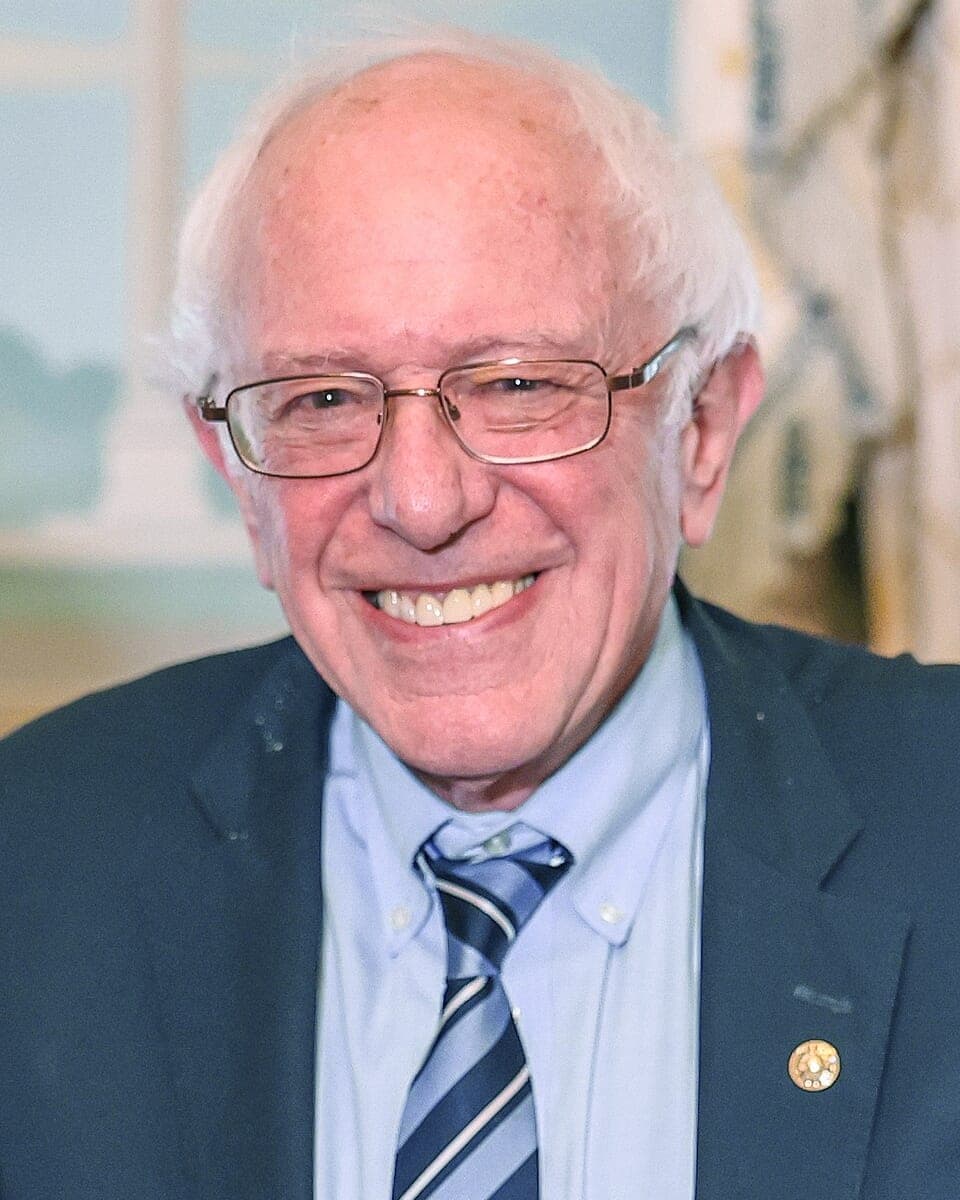
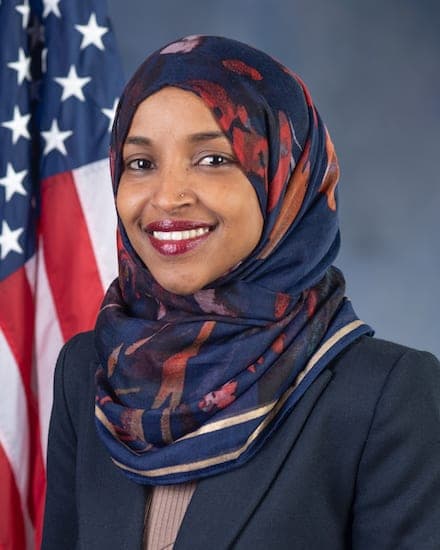
Senator cited as a lawmaker whose calls El-Sayed echoed
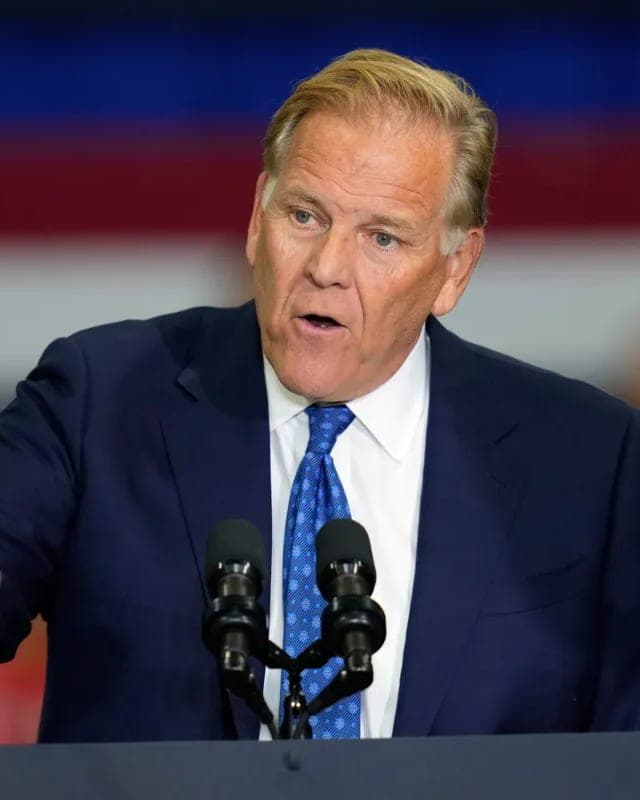
Republican Senate candidate and El-Sayed’s opponent
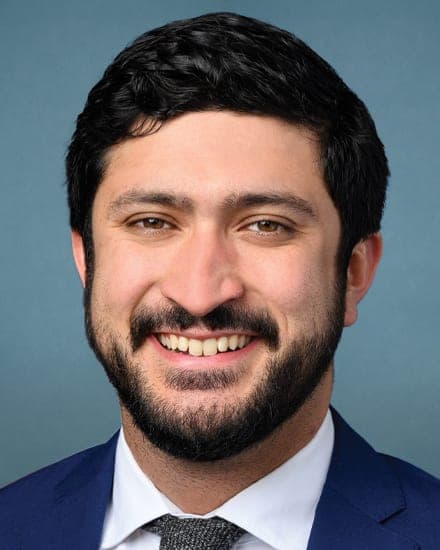
Representative cited as a lawmaker whose calls El-Sayed echoed
Part of a bigger story
21 OUTLETSAbdul El-Sayed denied family ties to the Muslim Brotherhood in an interview, while claims and social-media posts attributed to his half-sister renewed scrutiny. Left-leaning outlets frame El-Sayed’s AI proposal around risks from advanced development, emphasizing regulation and a pause. Center outlets share the focus on the family-ties dispute with right-leaning outlets in some pieces, but also cover his AI platform and other campaign developments. Right-leaning outlets focus on the family-ties allegations, often presenting his half-sister’s posts as counterevidence to his denial and criticizing his campaign’s response.
- ARTICLES
- 22
- OUTLETS
- 21
- AVG CRED
- 60
- American Greatness · Reports: Despite Denials, Abdul El-Sayed Has Long Supported Muslim Brotherhood, Has Family Ties to Terrorist Group " American Greatness
- Newsbusters · CNN's Axelrod Tries To Wipe Away El-Sayed's Alleged Terror Ties Without Any Evidence
- Blaze Media · On 'Meet the Press,' El-Sayed denied his family's ties to the Muslim Brotherhood. Hours later, the receipts landed.
Discussion · 0
Loading comments…