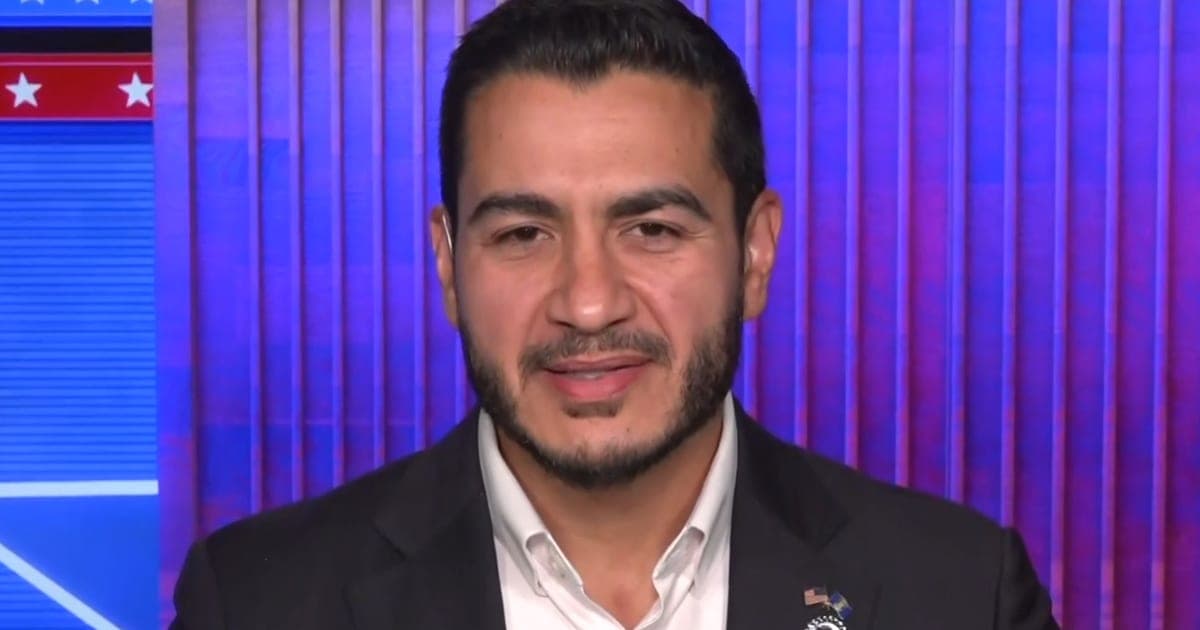
Abdul El-Sayed calls for unity amid tight Senate race: "There's a lot of healing to do after a hard-fought primary like this"
After his primary victory, El-Sayed called for party unity and described his campaign’s goals for the general election.
SOURCE CHECK
TAP FOR WHYCBS News is an established national news organization, and the article has a named author. The piece is a short interview-based report, which limits the range of sources visible in this article.
- Source type — Established national news outlet with institutional reporting standards.
- Author attribution — A named reporter is credited.
- Editorial standards — The publisher has an established newsroom; this article attributes its central claims to the interviewee.
The report gives direct quotations from El-Sayed and some context about the contest and the coming general election. It offers little response or perspective from Stevens or Rogers, so the account is useful but limited in source diversity.
HOW WE SCORE ↗El-Sayed’s perspective dominates because the article is based on his interview. It includes context about Stevens and Rogers but no direct response from either.
- Source diversity — The article relies primarily on El-Sayed’s interview.
- Counterarguments presented — No response from Stevens or Rogers is included.
- Loaded language — Politically charged descriptions are attributed to El-Sayed rather than adopted as the article’s voice.
The article reports El-Sayed’s partisan statements as attributed quotations and uses mostly straightforward language. It gives limited space to other candidates’ perspectives, but does not independently endorse his framing.
- Language tone — The reporting is largely neutral, with critical characterizations presented as El-Sayed’s words.
- Source selection — The article centers on an interview with El-Sayed and does not include responses from Stevens or Rogers.
- Framing — The story is framed around El-Sayed’s call for unity after the primary.
Abdul El-Sayed is projected to win Michigan’s Democratic Senate primary and called for party unity after the hard-fought contest. He said he wants to bring Haley Stevens’s supporters together ahead of the November race against Mike Rogers.
El-Sayed, a former Michigan health official, said he and Haley Stevens had not yet spoken after the primary. He said they were both committed to bringing the party together and described their shared goals as more important than their differences. His campaign had declared victory, and he was projected to win the Democratic nomination.
El-Sayed said his campaign supports getting money out of politics and passing Medicare for All. He accused Mike Rogers of wanting more money in politics and urged Democrats to unite against Rogers and what he called “Trumpism.” The article says Rogers will face the primary winner in November.
Community verdict
22 VOTES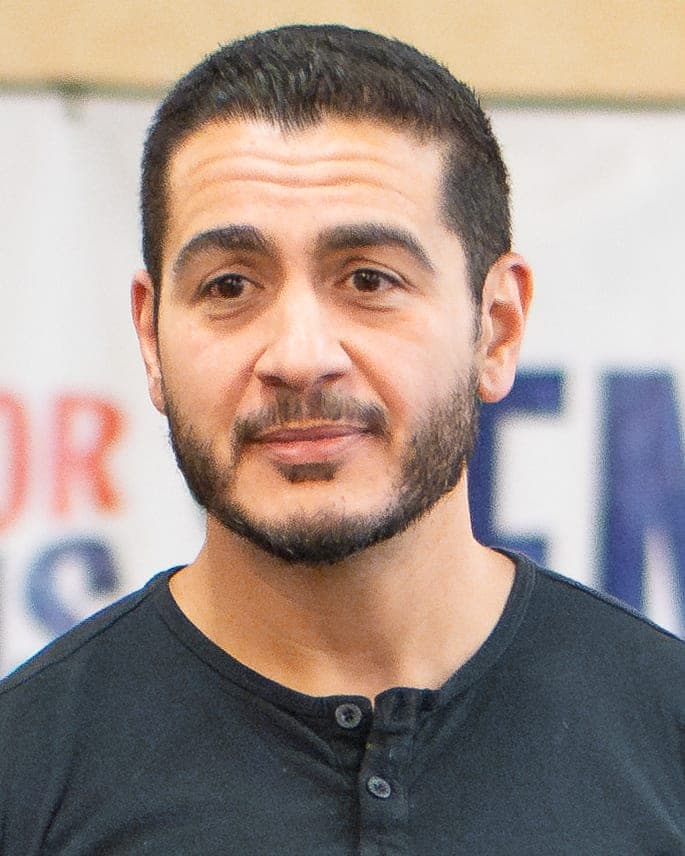
People in this story
SWIPE →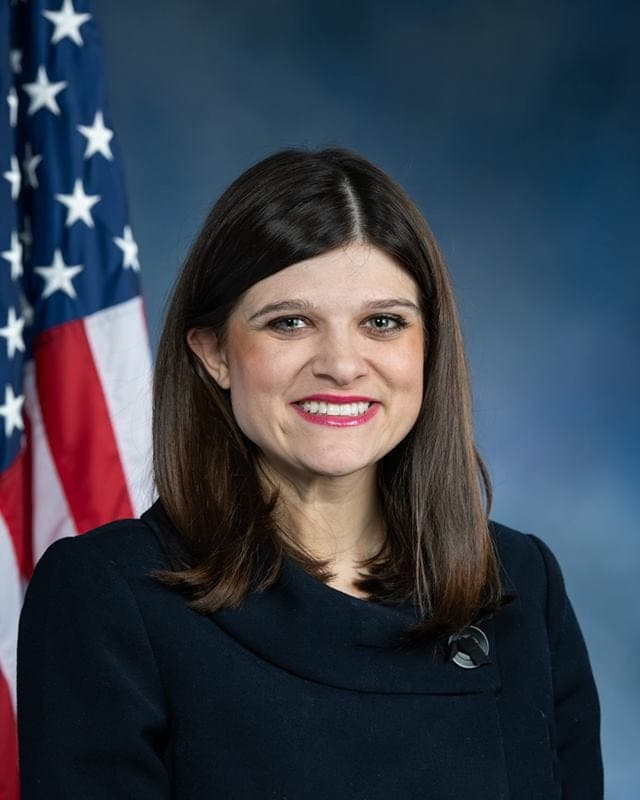
El-Sayed's opponent in the Democratic Senate primary
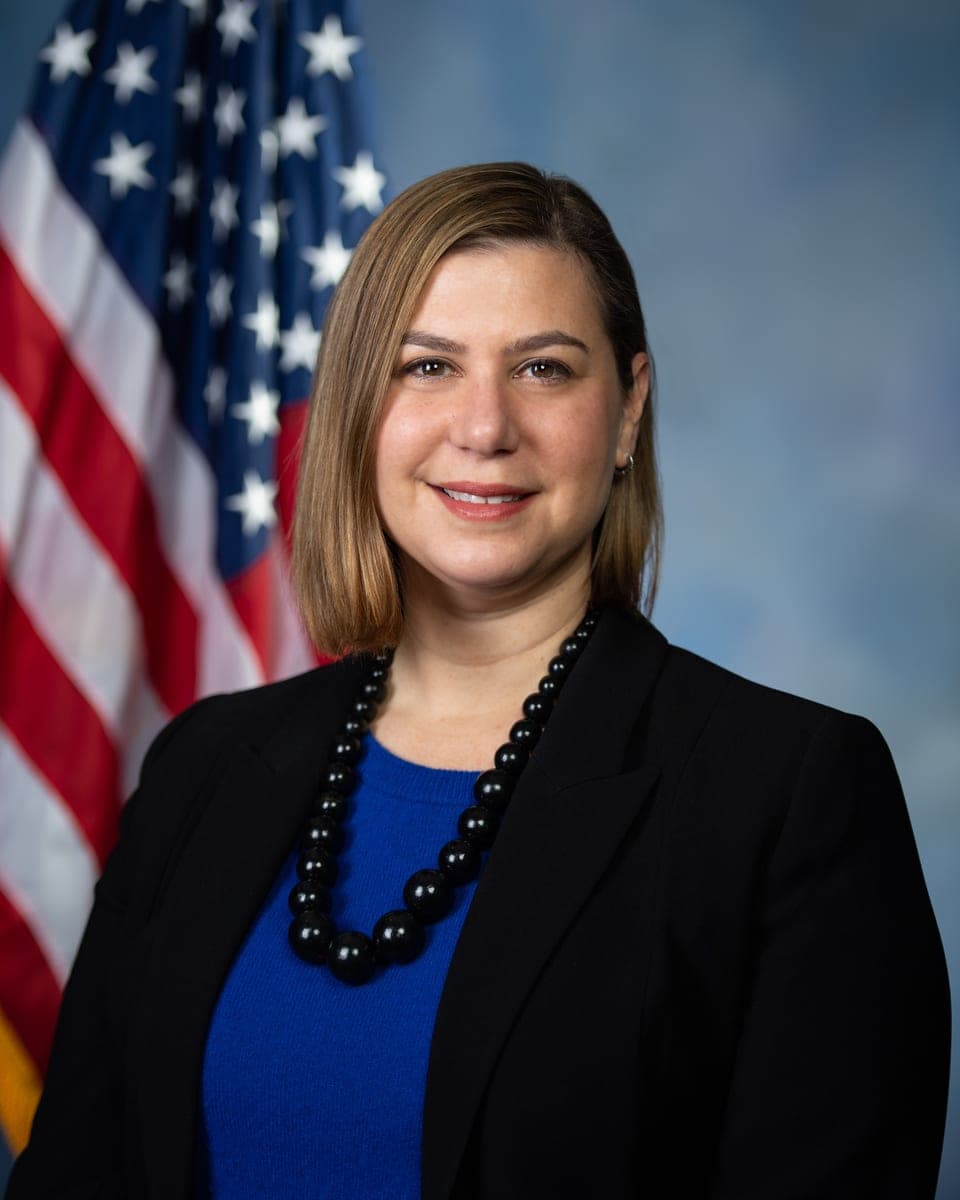
Michigan senator mentioned in the context of Rogers's previous Senate race
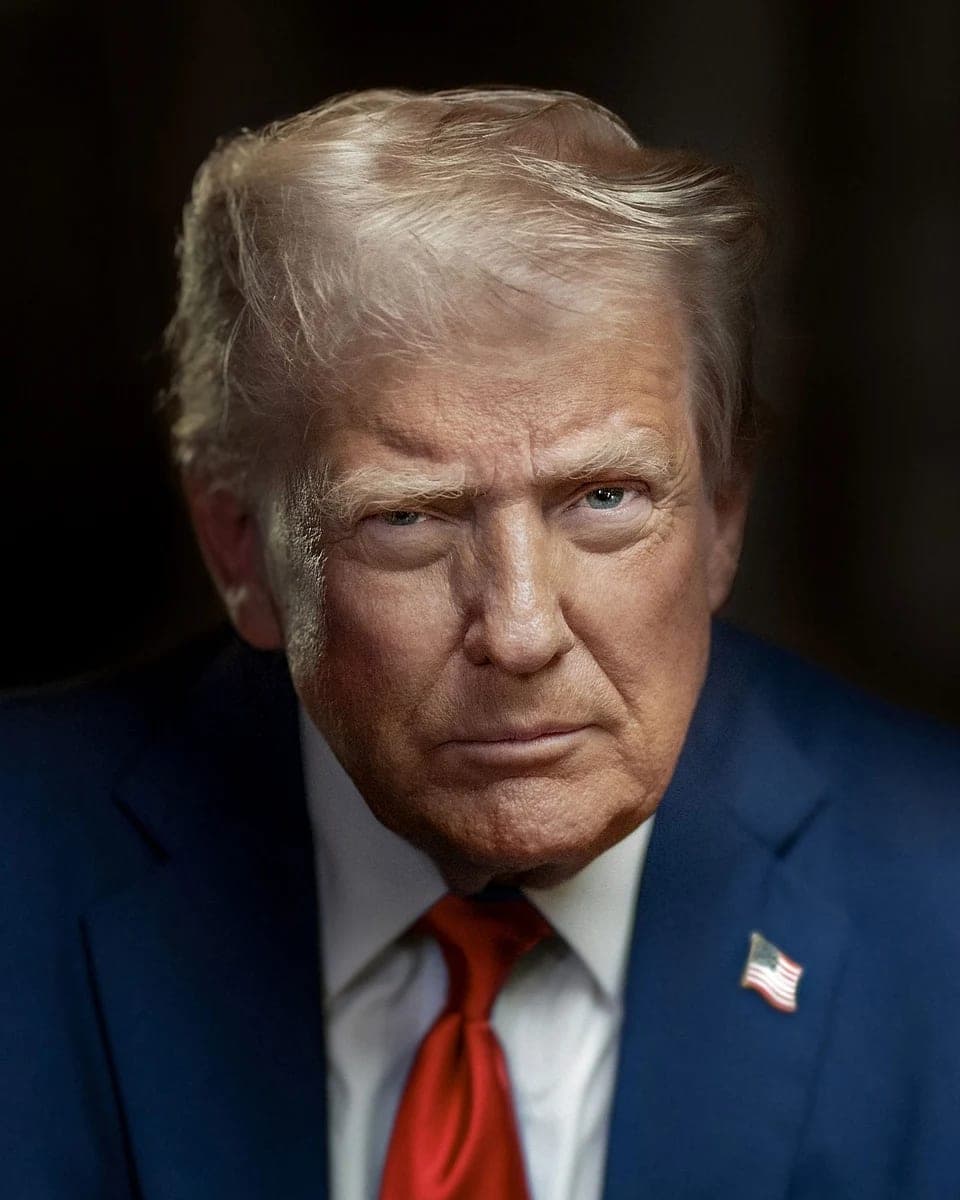
President referenced in El-Sayed's criticism of Trumpism
Republican Senate candidate and expected general-election opponent
Part of a bigger story
23 OUTLETSOutlets agree Abdul El-Sayed won Michigan’s Democratic Senate primary, defeating Rep. Haley Stevens, and will face Republican Mike Rogers in November. Left-leaning outlets largely present the win as a progressive challenge to Democratic establishment influence, while also covering Republican attacks on El-Sayed. Center outlets connect the result to debate over the party’s direction, unity behind El-Sayed, and the November race. Right-leaning outlets more often present his progressive politics as a potential general-election liability, though some focus on endorsements or election results.
- ARTICLES
- 23
- OUTLETS
- 23
- AVG CRED
- 69
Discussion · 0
Loading comments…