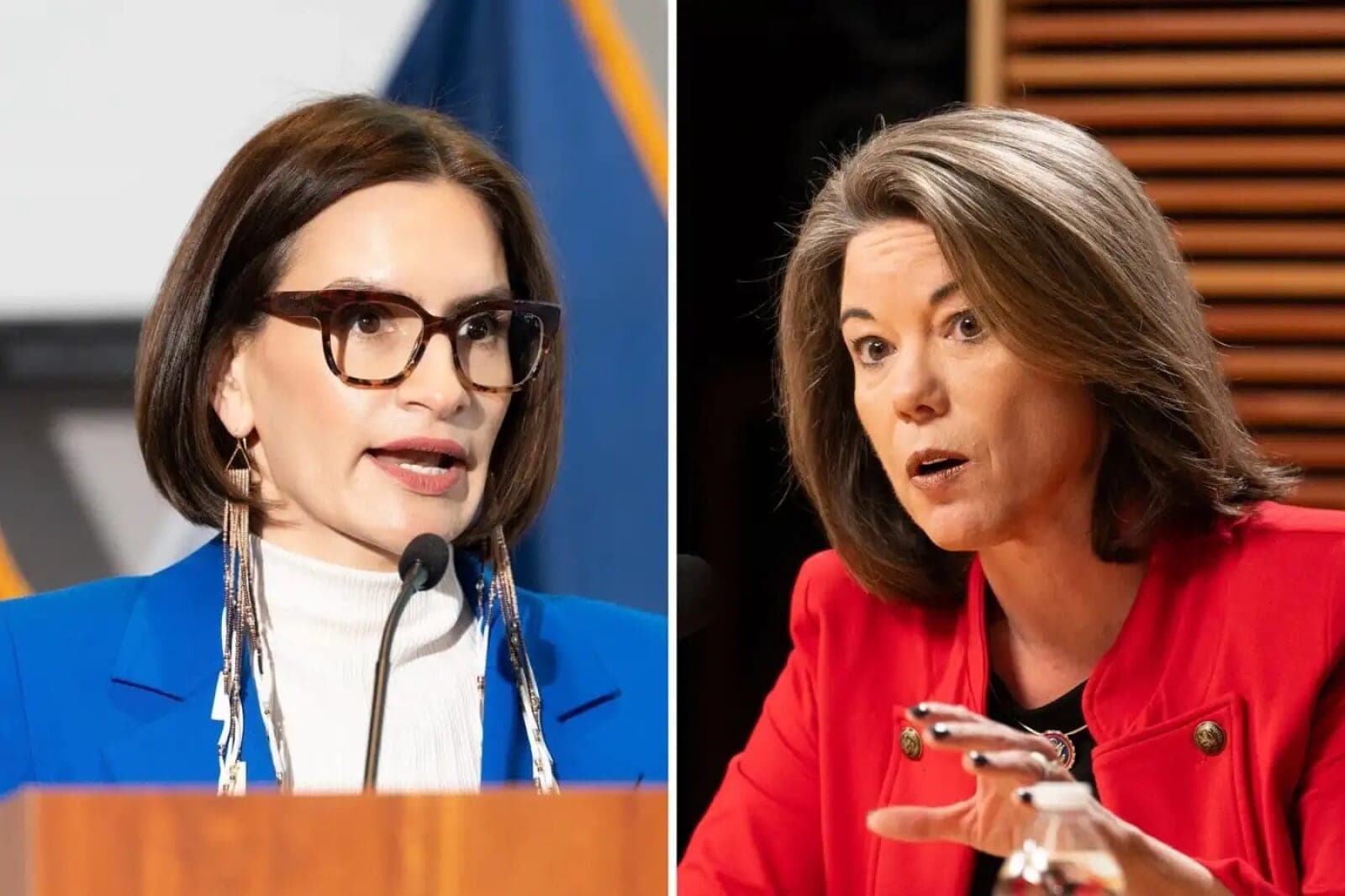
What the first Flanagan-Craig debate reveals about the U.S. Senate race
Flanagan criticized Craig’s Laken Riley Act vote and defended her own record on fraud and state policy issues.
SOURCE CHECK
TAP FOR WHYCredibility rates Bemidji Pioneer, which carries this article. The other scores rate the article itself. The average of 7 rated stories from Bemidji Pioneer.
Credibility rates Bemidji Pioneer, which carries this article. The other scores rate the article itself. The average of 7 rated stories from Bemidji Pioneer.
HOW WE SCORE ↗The story provides direct quotations from both candidates and adds analysis from a political scientist and a GOP strategist. Its account of the debate is informative, though several claims about the candidates' records and electability are presented without much supporting evidence or detailed countercheck.
HOW WE SCORE ↗The article presents statements from both candidates and includes outside perspectives from a political scientist and a Republican strategist. It gives substantial attention to campaign arguments but does not independently establish the truth of several claims about records, fraud or electability.
- Counterarguments presented — Both candidates' arguments and responses are represented.
- Source diversity — The article quotes the candidates, a political scientist and a GOP strategist.
- Omitted context — Claims about fraud, voting records and electability receive limited supporting detail or verification.
- Loaded language — Most charged language is quoted and attributed rather than adopted by the article.
The article reports competing claims from the candidates and includes commentary from both Democratic and Republican perspectives. Its language is generally descriptive rather than overtly partisan.
- Language tone — Mostly descriptive language with debate claims attributed to the speakers.
- Source selection — Includes both candidates and outside commentators with differing political perspectives.
- Framing — Frames the event as an analysis of the Senate race without endorsing either candidate.
Republished
Republished from InForum. ChamberLight matched this page's text to InForum's article.
66 stories · 73–75 · updated Oct 13, 2026
This is InForum's own score, and this article is credited to InForum. The host score in the Source Check is Bemidji Pioneer's.
Republished by Rochester Post Bulletin, West Central Tribune and 3 more
Angie Craig and Peggy Flanagan used their first televised Democratic Senate primary debate to challenge each other over the Laken Riley Act, fraud and electability. The article describes the exchanges as part of a race that will continue through the August primary.
Craig and Flanagan debated for about 40 minutes on Twin Cities PBS’s “Almanac.” Flanagan criticized Craig’s vote for the Laken Riley Act as bending to President Donald Trump’s agenda; Craig said she regrets the vote and argued that the administration did not rely on that law during Operation Metro Surge. Craig also defended bipartisan dealmaking, while Flanagan said she had focused on paid family and medical leave, housing and homelessness. The article describes both candidates using fraud as an issue against the other.
Community verdict
VOTING CLOSED
No good or bad look here
This story reports what happened without casting Flanagan in a good or bad light, so readers don’t rate it and it doesn’t count toward Flanagan’s record.
People in this story
SWIPE →Minnesota lieutenant governor and Democratic U.S. Senate candidate
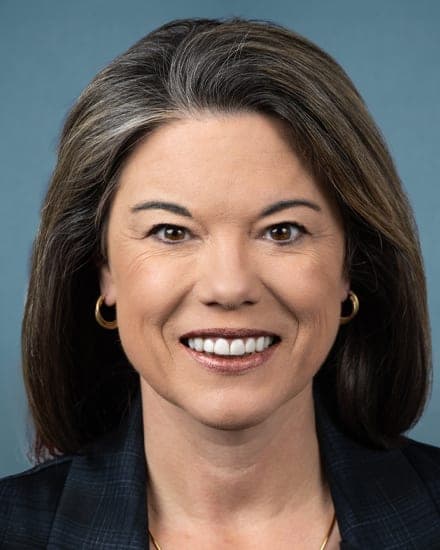
U.S. representative and Democratic U.S. Senate candidate
Craig's version of this story ↗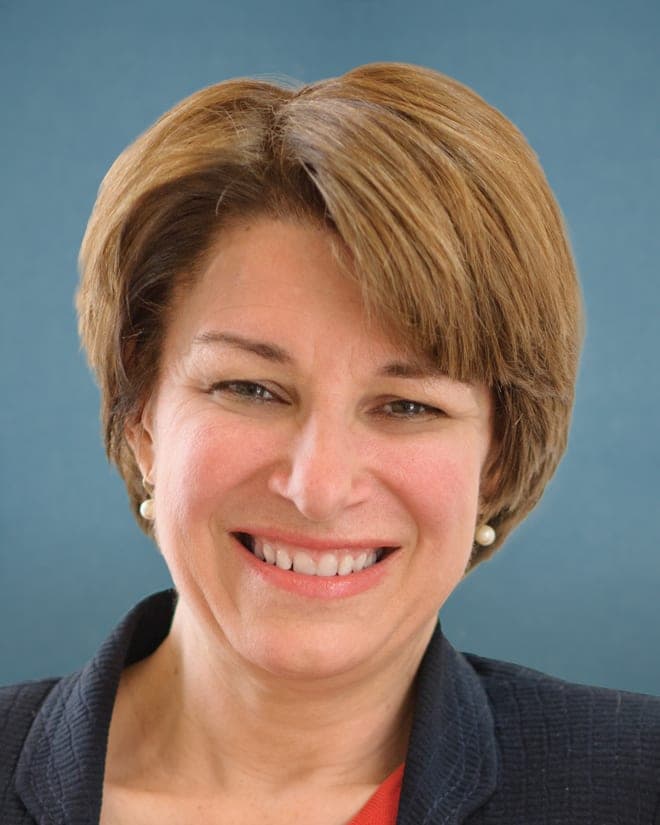
U.S. senator from Minnesota, cited in discussion of fraud attacks

President of the United States, whose agenda was discussed in the debate
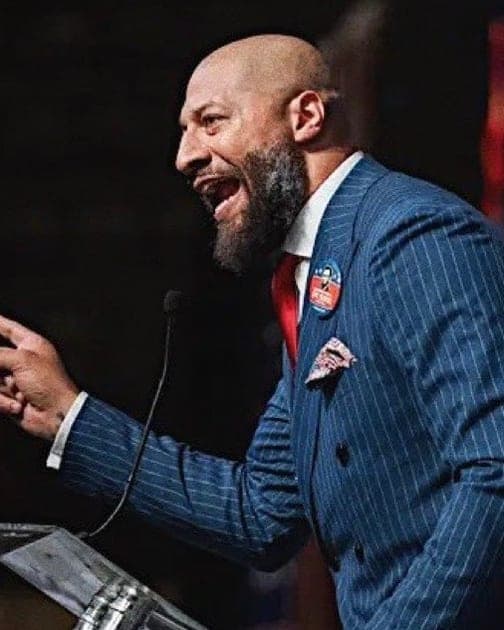
Republican U.S. Senate candidate, mentioned in discussion of the party endorsement process
Republican U.S. Senate candidate
Part of a bigger story
2 OUTLETS- ARTICLES
- 7
- OUTLETS
- 2
- AVG CRED
- 75
Discussion · 0
Loading comments…