Susan Collins does 'not support' military involvement in Venezuela as Senate seeks to limit Trump's powers
The proposed resolution would require congressional approval before Trump could launch further strikes on Venezuela.
SOURCE CHECK
TAP FOR WHYCredibility rates Bangor Daily News, where this article appeared. The other scores rate the article itself.
The Bangor Daily News is an established regional news organization, and this report is attributed to The Associated Press, with an additional contribution from a BDN reporter. The AP attribution supports confidence in the reporting, though the page provides limited information about corrections practices.
- Source type — Established local-news publisher carrying a report attributed to a major wire service.
- Author attribution — The report names AP journalists and identifies a BDN reporter who contributed.
- Transparency — The page clearly identifies the reporting as Associated Press work and names its contributors.
- Editorial standards — The publisher is an established regional newsroom, but the article itself does not describe its standards or corrections process.
The report gives substantial context and quotes lawmakers with differing views on congressional authority and military action. It relies mainly on political statements and does not include a direct administration response to the arguments over the resolution.
HOW WE SCORE ↗The article includes contrasting Republican and Democratic views, along with statements from senators considering or supporting limits on military action. It gives less space to the administration’s own explanation or defense of its actions.
- Counterarguments presented — Presents lawmakers supporting Trump’s approach alongside those calling for congressional authorization.
- Source diversity — Quotes multiple senators across both parties, but no independent expert or direct administration voice is included.
- Omitted context — The administration’s legal rationales are summarized, but its response to the proposed limits is not directly presented.
- Loaded language — A few descriptions, including “conquests,” carry a critical edge, while most narration remains factual.
The report presents the Senate debate through attributed statements from lawmakers on different sides and uses mostly straightforward language. Its descriptions of Trump’s ambitions are somewhat pointed, but the article does not consistently advocate a position.
- Source selection — Quotes Democrats and Republicans expressing differing views on military action and congressional authority.
- Language tone — Mostly neutral reporting, with some pointed descriptions of the administration’s ambitions.
- Framing — Frames the story as a congressional debate over future military action and presidential authority.
Original publisher not identified
This article credits another publisher, which ChamberLight has not identified, so the scores are Bangor Daily News's own.
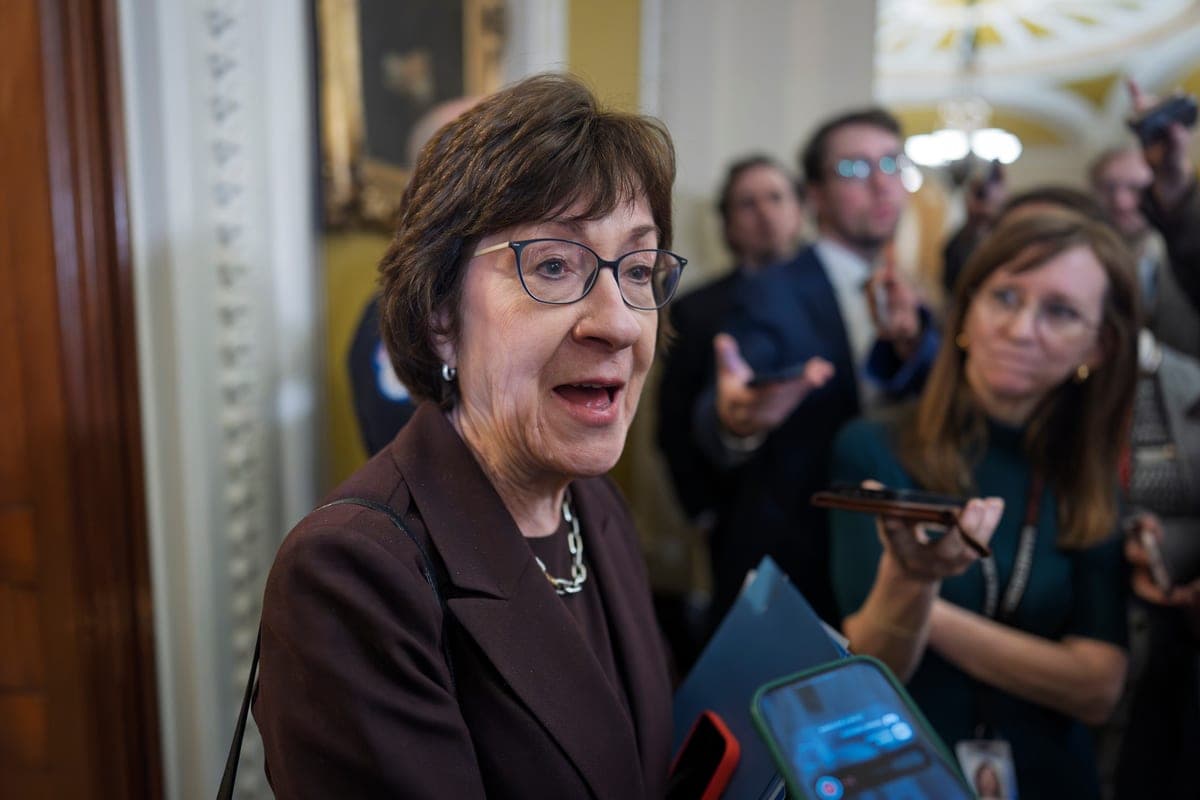
Sen. Susan Collins said she opposes additional U.S. forces or long-term military involvement in Venezuela without congressional authorization, as the Senate prepared to vote on a resolution limiting President Donald Trump’s future military actions there.
The Senate was expected to vote Thursday on a resolution requiring congressional approval before further strikes on Venezuela. Sen. Tim Kaine, who forced the vote, said Congress should assert its authority over military action. The article reports that U.S. forces had seized Venezuelan President Nicolás Maduro and that Trump’s administration was seeking influence over Venezuela’s oil resources and government.
Collins said she supported the operation to seize Maduro but opposed additional forces or long-term military involvement in Venezuela or Greenland without specific congressional authorization. She said the resolution she supported concerned future sustained military activity, not the removal operation. Other senators expressed different views: Majority Leader John Thune praised Trump’s approach, while lawmakers including Thom Tillis and Rand Paul emphasized congressional authorization. Senators also discussed possible U.S. military action involving Greenland.
Community verdict
42 VOTES
Counts every outlet’s report of this story. See all 12
- Readers of left-leaning coverage: 50% good look
- Readers of right-leaning coverage: not enough votes yet
Votes cast on this page
Votes cast on this page: ▲ 0 · ◆ 0 · ▼ 0
People in this story
SWIPE →President whose military actions and authority are at the center of the proposed limits
Senator expressing opposition to further U.S. military involvement without congressional authorization
Collins's version of this story ↗
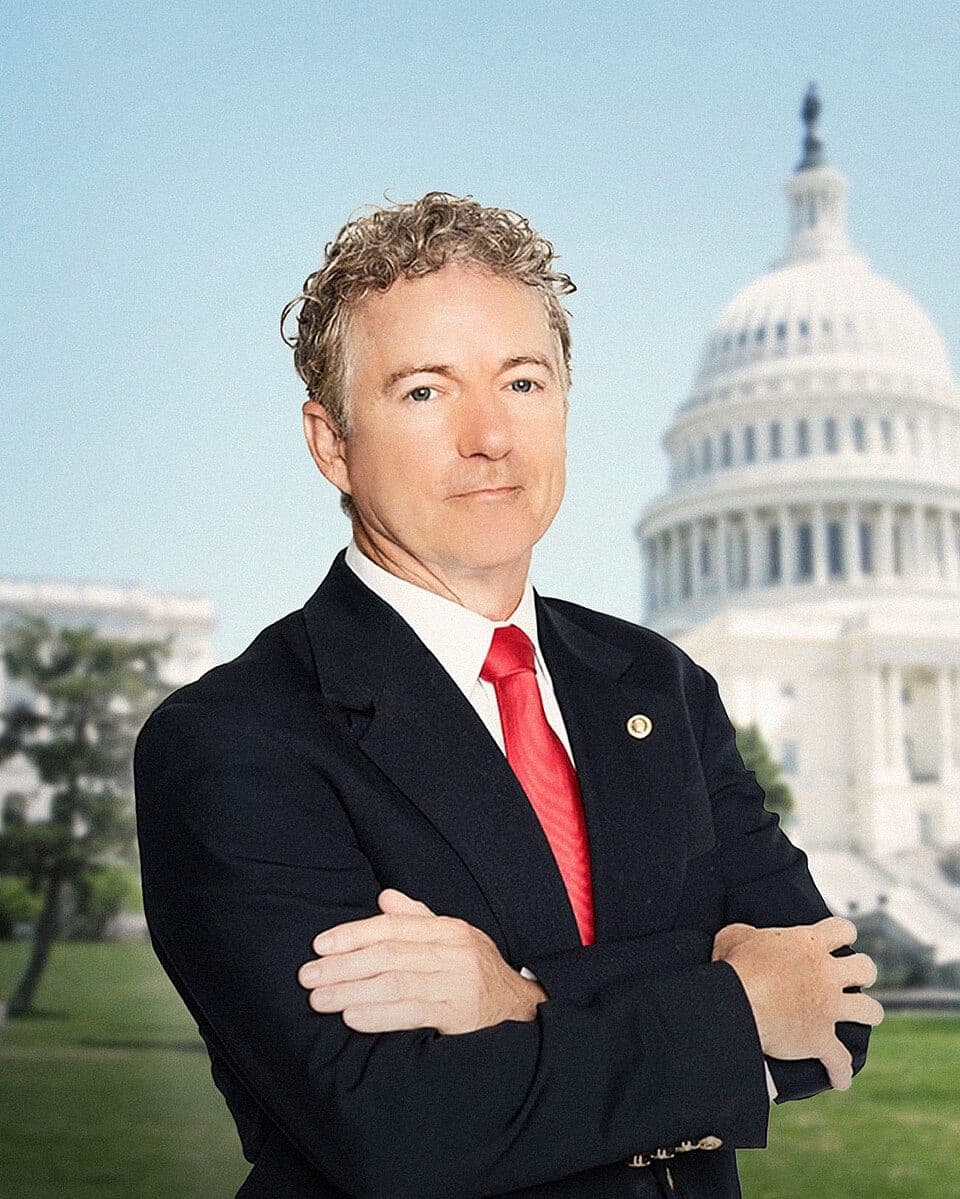
Senator who said he would accept Trump using force to take other countries without congressional approval
Senate majority leader supporting Trump’s approach
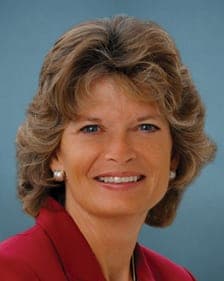
Senator who voted for a similar resolution in November
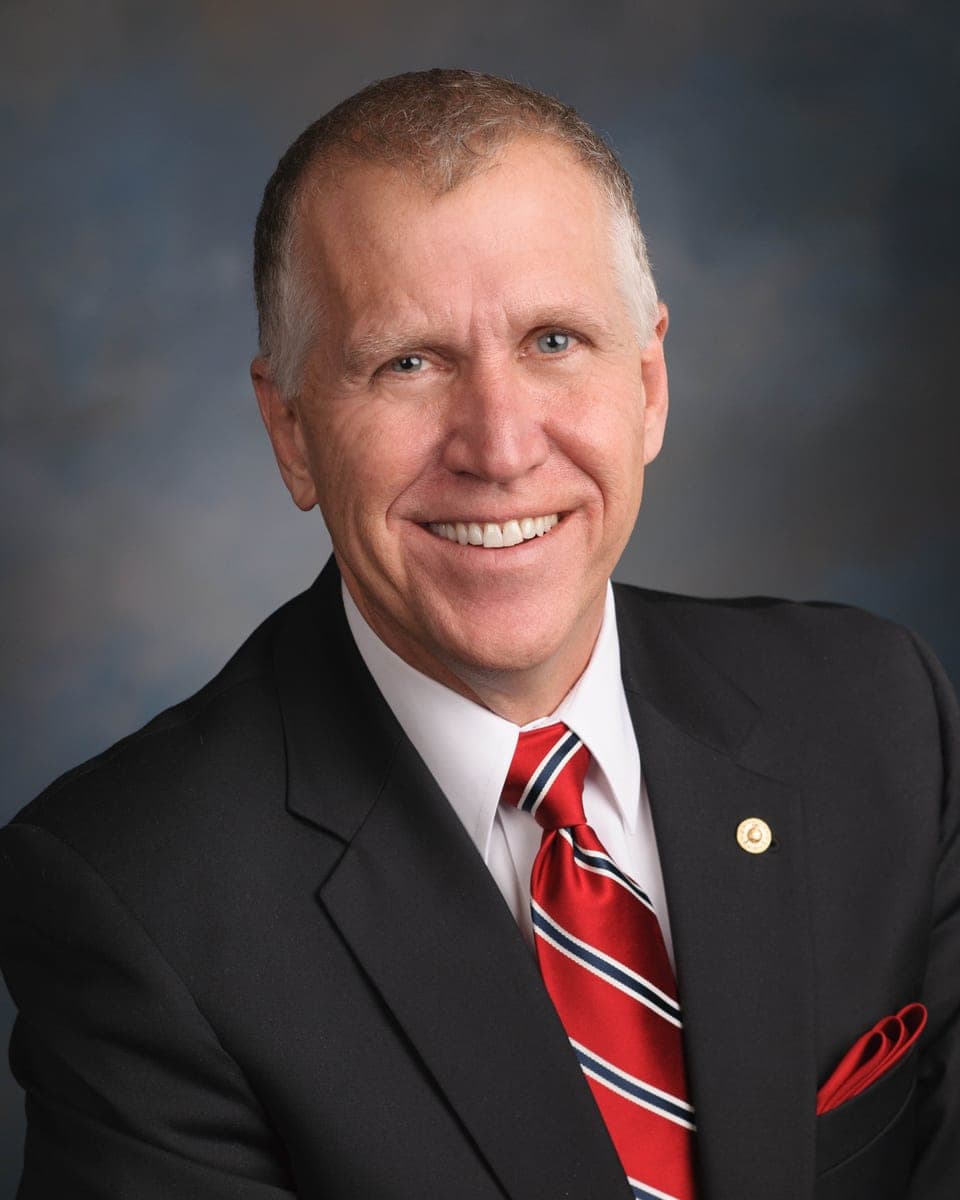
Senator calling for congressional authorization and criticizing remarks about taking Greenland
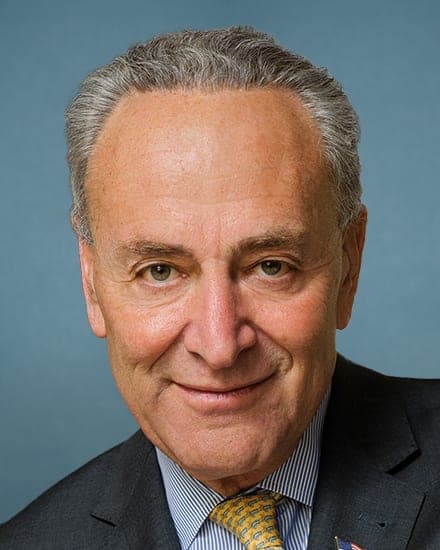
Senate Democratic leader criticizing Trump’s overseas focus
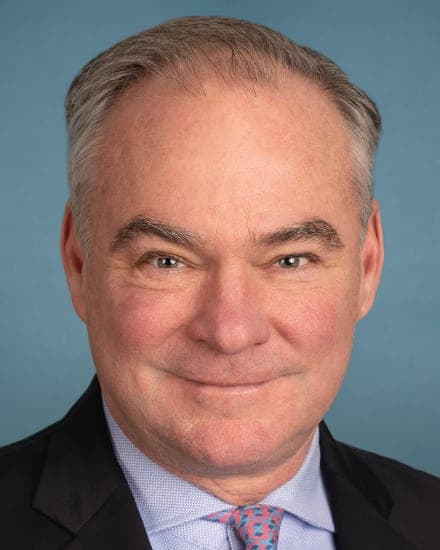
Senator who forced the vote on the resolution
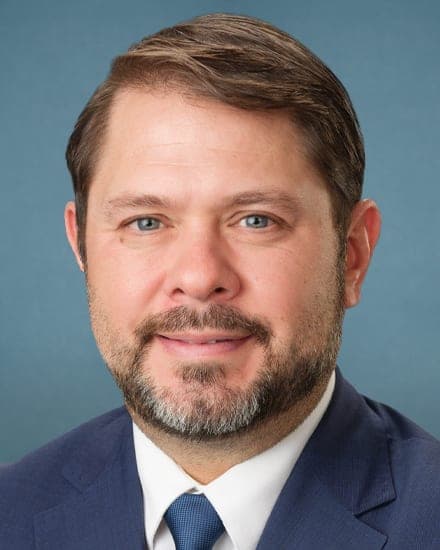
Senator arguing that Congress must decide who can take the country to war
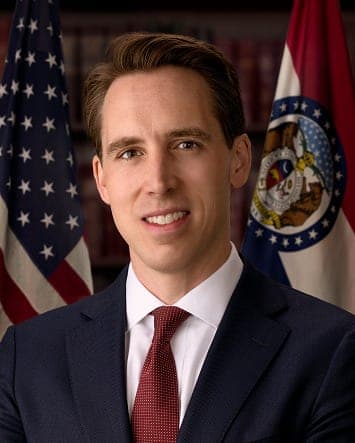
Senator working on a resolution to block military action against Greenland
Part of a bigger story
12 OUTLETSOutlets agree that President Donald Trump carried out a military operation in Venezuela. They also describe debate over his authority and the consequences of the intervention. Left-leaning outlets juxtapose support for interventionist policy with legal objections and concerns about consequences. Center outlets emphasize Congress’s role in authorizing further military action. Right-leaning outlets frame the Senate vote as a challenge to Trump’s authority, with one article casting the resolution as an impediment and the other stressing Trump’s rebuke of Republican supporters.
- ARTICLES
- 12
- OUTLETS
- 12
- AVG CRED
- 69
Discussion · 0
Loading comments…