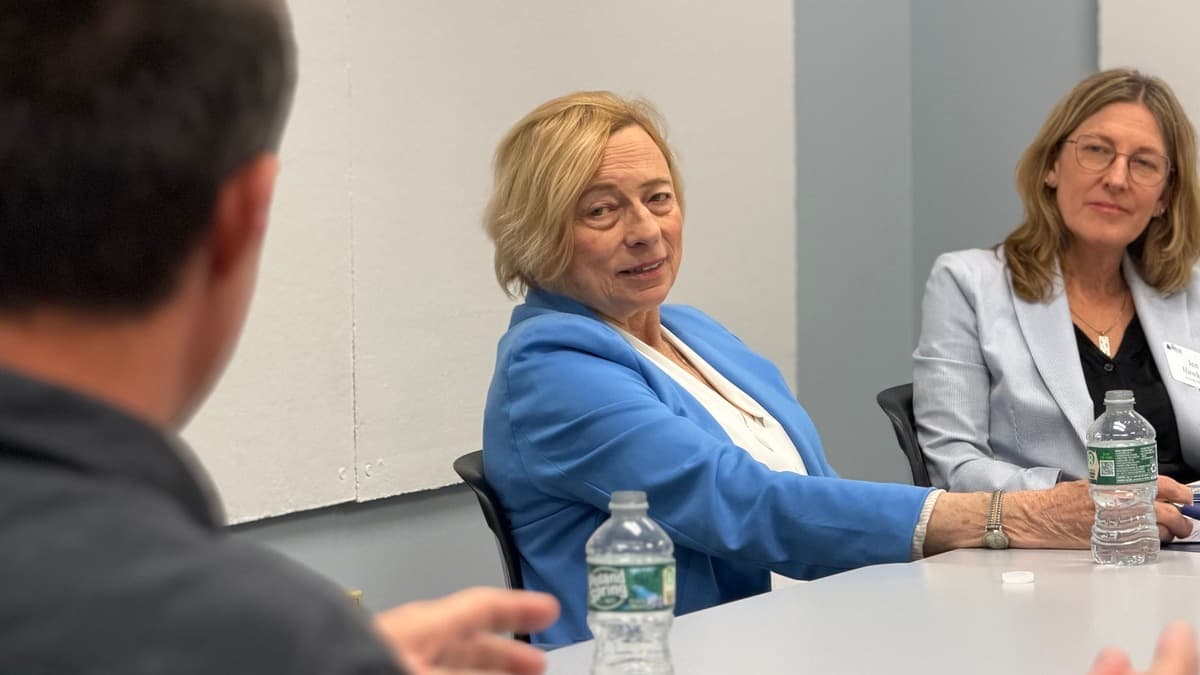
Behind the scenes of Janet Mills' US Senate campaign collapse
Platner’s campaign gained momentum as Mills struggled and he became the leading Democratic contender.
SOURCE CHECK
TAP FOR WHYBangor Daily News is an established regional newsroom, and this article names reporters and sources while including campaign and political perspectives. Its use of an anonymous ally and claims about internal polling leave some limits on verification.
- Source type — Established local news outlet with regional reporting expertise.
- Author attribution — Two reporters are named.
- Source diversity — Includes named campaign participants, activists and political figures, as well as an anonymous ally.
The article draws on multiple named sources and gives detail about polling, spending and campaign events. Some consequential claims rely on an anonymous ally or campaign-provided internal polling, and the opposing campaign’s perspective is represented mainly through brief statements.
HOW WE SCORE ↗The account includes explanations from Mills’ campaign and allies, Platner supporters, and Republicans. Mills’ own perspective is conveyed through her withdrawal statement and campaign’s explanation rather than an extended interview.
- Source diversity — The article includes sources aligned with both campaigns and Republican reactions.
- Counterarguments presented — Mills’ campaign cited challenges, while supporters of Platner and Republicans offered distinct assessments.
- Omitted context — Mills’ own explanation is brief, and the article does not give a direct, extended response from her.
- Loaded language — Some forceful descriptions appear, but they are generally attributed or grounded in campaign reporting.
The article uses mostly neutral reporting language and attributes partisan criticism to its speakers. It explains Mills’ difficulties while also presenting Platner’s campaign challenges and Republicans’ criticism of him.
- Language tone — Primarily descriptive language, with campaign judgments attributed to sources.
- Source selection — Includes views from Mills allies, Platner supporters and Republicans.
- Framing — Explains the campaign’s decline through polling, money and political dynamics rather than arguing for a candidate.
Janet Mills withdrew from Maine’s Democratic U.S. Senate primary, leaving Graham Platner as the likely nominee to challenge Susan Collins. The article attributes Mills’ campaign collapse to her late entry, weak polling, funding problems and miscalculations by her allies.
Mills told lobbyist Tony Buxton to hold off on raising more money before she announced her withdrawal. Platner’s campaign had maintained a polling lead, and Democrats quickly rallied behind him after her exit. Mills said she wanted to keep competing but lacked the money to continue.
Community verdict
VOTING CLOSED
No good or bad look here
This story reports what happened without casting Platner in a good or bad light, so readers don’t rate it and it doesn’t count toward Platner’s record.
People in this story
SWIPE →Maine Democratic Senate candidate who benefited from Mills’ withdrawal

Maine Democratic Senate candidate who withdrew from the primary
Mills's version of this story ↗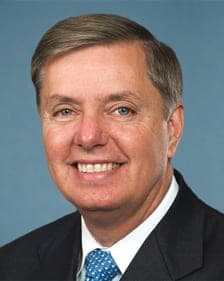
Republican senator who criticized Platner

Republican senator and expected general-election opponent

President of the United States
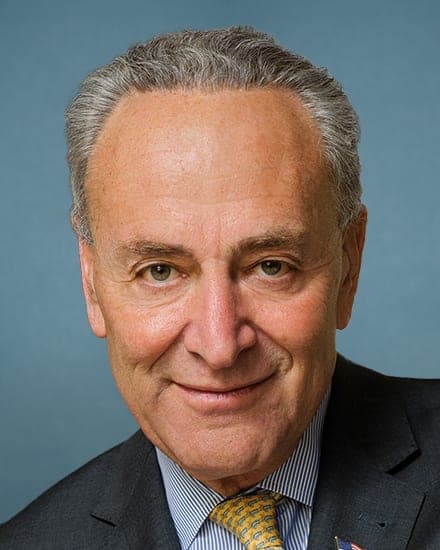
Senate minority leader and ally of Mills
Part of a bigger story
21 OUTLETSMaine Gov. Janet Mills suspended her Democratic Senate campaign, leaving Graham Platner positioned to become the party’s nominee. Left-leaning outlets frame the exit as a defeat for the Democratic establishment and a boost for Platner’s progressive challenge. Center outlets largely track the shift in the primary and the consolidation of support around Platner, with some noting concerns about his record. Right-leaning outlets emphasize controversies and present his likely nomination as a liability for Democrats or evidence of a progressive shift.
- ARTICLES
- 28
- OUTLETS
- 21
- AVG CRED
- 71
Discussion · 0
Loading comments…