12 stories credited to KOB.com
5 stories on kob.com credited to other publishers
Latest story Sep 23, 2026 · on ChamberLight since Apr 2026
A story can appear as several articles (copies of the same piece), so counts of stories and of articles differ.
Scores for KOB.com
Political lean
10 stories · 95% range 45–52 · updated Sep 24, 2026
Originality
7 of those 12 carry an unconfirmed copying flag, which is not evidence either way.
17 stories · updated Sep 24, 2026
Writing quality 88 of 100: the average rating of 10 stories, each rated on its own (separate from credibility). How it is measured
Scores last checked Sep 25, 2026.
Articles this site reproduces
How provenance is decidedOriginal publishers of articles on kob.com
Counted from articles on kob.com whose original publisher is verified from the page itself or confirmed by an independent signal.
Stories ChamberLight collected, by month
Stories credited to KOB.com, by publication date. ChamberLight collects articles that mention the officials it tracks, so this shows its own coverage of this source, not how much the source publishes.
- Stories from KOB.com
- Shaded: ChamberLight collected no stories, or almost none, from any outlet (a gap in its collection, not in the outlet’s publishing)
Show as a table
| Month | Stories | All outlets |
|---|---|---|
| March 2026 | 2 | 521 |
| April 2026 | 8 | 4,538 |
| May 2026 | 0 | none collected |
| June 2026 | 0 | none collected |
| July 2026 | 0 | none collected |
| August 2026 | 0 | 1 (collection gap) |
| September 2026 | 2 | 1,320 |
Top topics
Share of this source’s stories tagged with each topic. A story can carry several topics, so the shares do not add up to 100%.
- Ethics/Corruption8
67% of 12 stories · 58% across all outlets
- Defense/Military5
42% of 12 stories · 25% across all outlets
- Budget/Spending4
33% of 12 stories · 31% across all outlets
- Foreign Policy4
33% of 12 stories · 29% across all outlets
- Environment/Climate3
25% of 12 stories · 5% across all outlets
- Economy2
17% of 12 stories · 26% across all outlets
- Immigration2
17% of 12 stories · 13% across all outlets
- Criminal Justice1
8% of 12 stories · 19% across all outlets
The thin mark on each bar is the topic’s share across all outlets.
Who they cover
Party of the officials these stories are mainly about, across all 16 officials named. A story counts once for each official it is mainly about, so the split is over 26 story–official pairs, from 12 stories.
- Democrat54% · 14 pairs
- Republican42% · 11 pairs
- Party not recorded4% · 1 pair
Most covered
Stories mainly about each official, and their share of the source’s 12 stories.
- 1Donald TrumpR5 stories · 42%
- 2Teresa Leger FernandezD3 stories · 25%
- 3Ben LujánD2 stories · 17%
- 4Gabe VasquezD2 stories · 17%
- 5Markwayne MullinR2 stories · 17%
- 6Martin HeinrichD2 stories · 17%
- 7Brian MastR1 story · 8%
- 8Brooke RollinsR1 story · 8%
- 9Gregory MeeksD1 story · 8%
- 10J. VanceR1 story · 8%
+ 6 other officials (6 story–official pairs)
Article tone
ChamberLight’s article analysis assigns each story a tone toward the official it covers. It describes the coverage of that official, not KOB.com’s stance, and reader votes do not change it. 12 stories.
- Good Look
- 4 (33%)
- Mixed
- 8 (67%)
- Informational
- 0 (0%)
- Bad Look
- 0 (0%)
Related sources
Lean 95% range 47–50 · updated Sep 25, 2026
Similar lean · 3 shared topics
Lean 95% range 46–51 · updated Sep 25, 2026
Similar lean · 2 shared topics
Lean 95% range 45–52 · updated Sep 25, 2026
Similar lean · 2 shared topics
Lean 95% range 46–51 · updated Sep 25, 2026
Similar lean · 3 shared topics
Lean 95% range 47–50 · updated Sep 25, 2026
Similar lean · 2 shared topics
Lean 95% range 46–52 · updated Sep 25, 2026
Similar lean · 3 shared topics
Challenges to these scores
No one has challenged a score on this page yet. Anyone can; editors publish every outcome here.
Articles served from kob.com
39
Lawmakers behind new Epstein legislation say they have the support to force House vote
House lawmakers say they have enough support to force a vote on the Epstein Files Transparency Act Two, which could help New Mexico's Attorney General get unredacted Epstein files. The post Lawmakers behind new Epstein legislation say they have the support to force House vote appeared first on KOB 4.
Lawmakers behind new Epstein legislation say they have the support to force House vote
House lawmakers say they have enough support to force a vote on the Epstein Files Transparency Act Two, which could help New Mexico's Attorney General get unredacted Epstein files. The post Lawmakers behind new Epstein legislation say they have the support to force House vote appeared first on KOB 4.

Republicans target Las Vegas congressional district with help from Trump’s ‘no tax on tips’ policy
In Nevada's most competitive congressional district, Democratic Rep. Susie Lee is fending off a challenge from Republican candidate Marty O'Donnell, who has focused his campaign on the popular “no tax on tips” policy. Nevada has the highest concentration of tipped workers thanks to its hospitality and tourism industries. The “no tax on tips” policy has resonated with Nevada voters since Donald Trump announced the idea as a presidential candidate in 2024. But Nevada continues to reel from a decline in tourism, which Democrats blame on the Republican president's policies. While Lee has the support of the politically powerful Culinary Workers Union, O'Donnell has help from national Republicans. The post Republicans target Las Vegas congressional district with help from Trump’s ‘no tax on tips’ policy appeared first on KOB 4.
Republicans target Las Vegas congressional district with help from Trump’s ‘no tax on tips’ policy
In Nevada's most competitive congressional district, Democratic Rep. Susie Lee is fending off a challenge from Republican candidate Marty O'Donnell, who has focused his campaign on the popular “no tax on tips” policy. Nevada has the highest concentration of tipped workers thanks to its hospitality and tourism industries. The “no tax on tips” policy has resonated with Nevada voters since Donald Trump announced the idea as a presidential candidate in 2024. But Nevada continues to reel from a decline in tourism, which Democrats blame on the Republican president's policies. While Lee has the support of the politically powerful Culinary Workers Union, O'Donnell has help from national Republicans. The post Republicans target Las Vegas congressional district with help from Trump’s ‘no tax on tips’ policy appeared first on KOB 4.

House rejects effort to withdraw US forces from the Iran war as Republicans stick with Trump
WASHINGTON (AP) — The House rejected a resolution Thursday requiring President Donald Trump to withdraw U.S. forces from the war with Iran unless Congress authorizes military action. It was the latest such vote that fell short of passage as Republicans largely continue to support Trump’s operation. Democrats voiced concern that the United States is becoming further entrenched in another lengthy conflict in the Middle East. They promised to keep raising the issue through more war powers votes in the coming weeks. The 213-214 vote came one day after a similar effort failed in the Senate. The U.S. and Israel struck Iran on Feb. 28, and a fragile ceasefire is now in its second week. Democrats overwhelmingly supported the attempt to rein in Trump’s use of military force. “We’re standing at the edge of a cliff and Congress must act before the president pushes off,” said New York Rep. Gregory Meeks, the ranking Democrat on the House Committee on Foreign Affairs. “Every day we delay, we inch closer to a conflict with no exit ramp.” Republicans tried to cast the effort as hypocritical. Florida Rep. Brian Mast, the committee chairman, said Congress never voted on a war powers resolution when the U.S. attacked Iranian-backed Houthis in Yemen in 2024 while Democrat Joe Biden was president. “When Joe Biden was responding to merchant marine vessels being attacked, it was OK. No war power needed. It went on for about a year,” Mast said. “President Trump responds — war power, war power, war power. … That’s the hypocrisy.” Under the War Powers Act of 1973, Congress must declare war or authorize use of force within 60 days — a deadline in the Iran war that will arrive at the end of April. The law provides for a potential 30-day extension, but lawmakers have made clear that they want the Republican administration to soon lay out a plan for the war’s end. While the House vote failed, it gave Democrats an opportunity to highlight some of the most negative effects of the war: the billions of dollars spent, the death of at least 13 service members, the soaring gas prices and fissures with long-standing allies who do not support Trump’s actions. “Gas prices at home are up to $7 in my home state, and families are hurting,” said Rep. Pramila Jayapal, D-Wash. “Another 10,000 U.S. troops are being sent in to join 50,000 already stationed in the Middle East with absolutely no strategy, no plan and no exit.” Republicans defended Trump as taking decisive action against an Iranian government that has long terrorized the Middle East and its own people. “President Donald Trump has sent a message that those who threaten the United States and our partners will be ultimately held accountable,” said Rep. Joe Wilson, R-S.C. In Thursday’s vote, Rep. Thomas Massie of Kentucky was the only Republican to cross party lines and vote for removing U.S. forces from the war. Rep. Jared Golden of Maine was the only Democrat to vote against the measure. The first House vote to curb Trump’s miliary action with Iran failed in early March, 212-219. Copyright 2026 The Associated Press. All rights reserved. This material may not be published, broadcast, rewritten or redistributed without permission. The post House rejects effort to withdraw US forces from the Iran war as Republicans stick with Trump appeared first on KOB.com.
House rejects effort to withdraw US forces from the Iran war as Republicans stick with Trump
WASHINGTON (AP) — The House rejected a resolution Thursday requiring President Donald Trump to withdraw U.S. forces from the war with Iran unless Congress authorizes military action. It was the latest such vote that fell short of passage as Republicans largely continue to support Trump’s operation. Democrats voiced concern that the United States is becoming further entrenched in another lengthy conflict in the Middle East. They promised to keep raising the issue through more war powers votes in the coming weeks. The 213-214 vote came one day after a similar effort failed in the Senate. The U.S. and Israel struck Iran on Feb. 28, and a fragile ceasefire is now in its second week. Democrats overwhelmingly supported the attempt to rein in Trump’s use of military force. “We’re standing at the edge of a cliff and Congress must act before the president pushes off,” said New York Rep. Gregory Meeks, the ranking Democrat on the House Committee on Foreign Affairs. “Every day we delay, we inch closer to a conflict with no exit ramp.” Republicans tried to cast the effort as hypocritical. Florida Rep. Brian Mast, the committee chairman, said Congress never voted on a war powers resolution when the U.S. attacked Iranian-backed Houthis in Yemen in 2024 while Democrat Joe Biden was president. “When Joe Biden was responding to merchant marine vessels being attacked, it was OK. No war power needed. It went on for about a year,” Mast said. “President Trump responds — war power, war power, war power. … That’s the hypocrisy.” Under the War Powers Act of 1973, Congress must declare war or authorize use of force within 60 days — a deadline in the Iran war that will arrive at the end of April. The law provides for a potential 30-day extension, but lawmakers have made clear that they want the Republican administration to soon lay out a plan for the war’s end. While the House vote failed, it gave Democrats an opportunity to highlight some of the most negative effects of the war: the billions of dollars spent, the death of at least 13 service members, the soaring gas prices and fissures with long-standing allies who do not support Trump’s actions. “Gas prices at home are up to $7 in my home state, and families are hurting,” said Rep. Pramila Jayapal, D-Wash. “Another 10,000 U.S. troops are being sent in to join 50,000 already stationed in the Middle East with absolutely no strategy, no plan and no exit.” Republicans defended Trump as taking decisive action against an Iranian government that has long terrorized the Middle East and its own people. “President Donald Trump has sent a message that those who threaten the United States and our partners will be ultimately held accountable,” said Rep. Joe Wilson, R-S.C. In Thursday’s vote, Rep. Thomas Massie of Kentucky was the only Republican to cross party lines and vote for removing U.S. forces from the war. Rep. Jared Golden of Maine was the only Democrat to vote against the measure. The first House vote to curb Trump’s miliary action with Iran failed in early March, 212-219. Copyright 2026 The Associated Press. All rights reserved. This material may not be published, broadcast, rewritten or redistributed without permission. The post House rejects effort to withdraw US forces from the Iran war as Republicans stick with Trump appeared first on KOB.com.
House rejects effort to withdraw US forces from the Iran war as Republicans stick with Trump
WASHINGTON (AP) — The House rejected a resolution Thursday requiring President Donald Trump to withdraw U.S. forces from the war with Iran unless Congress authorizes military action. It was the latest such vote that fell short of passage as Republicans largely continue to support Trump’s operation. Democrats voiced concern that the United States is becoming further entrenched in another lengthy conflict in the Middle East. They promised to keep raising the issue through more war powers votes in the coming weeks. The 213-214 vote came one day after a similar effort failed in the Senate. The U.S. and Israel struck Iran on Feb. 28, and a fragile ceasefire is now in its second week. Democrats overwhelmingly supported the attempt to rein in Trump’s use of military force. “We’re standing at the edge of a cliff and Congress must act before the president pushes off,” said New York Rep. Gregory Meeks, the ranking Democrat on the House Committee on Foreign Affairs. “Every day we delay, we inch closer to a conflict with no exit ramp.” Republicans tried to cast the effort as hypocritical. Florida Rep. Brian Mast, the committee chairman, said Congress never voted on a war powers resolution when the U.S. attacked Iranian-backed Houthis in Yemen in 2024 while Democrat Joe Biden was president. “When Joe Biden was responding to merchant marine vessels being attacked, it was OK. No war power needed. It went on for about a year,” Mast said. “President Trump responds — war power, war power, war power. … That’s the hypocrisy.” Under the War Powers Act of 1973, Congress must declare war or authorize use of force within 60 days — a deadline in the Iran war that will arrive at the end of April. The law provides for a potential 30-day extension, but lawmakers have made clear that they want the Republican administration to soon lay out a plan for the war’s end. While the House vote failed, it gave Democrats an opportunity to highlight some of the most negative effects of the war: the billions of dollars spent, the death of at least 13 service members, the soaring gas prices and fissures with long-standing allies who do not support Trump’s actions. “Gas prices at home are up to $7 in my home state, and families are hurting,” said Rep. Pramila Jayapal, D-Wash. “Another 10,000 U.S. troops are being sent in to join 50,000 already stationed in the Middle East with absolutely no strategy, no plan and no exit.” Republicans defended Trump as taking decisive action against an Iranian government that has long terrorized the Middle East and its own people. “President Donald Trump has sent a message that those who threaten the United States and our partners will be ultimately held accountable,” said Rep. Joe Wilson, R-S.C. In Thursday’s vote, Rep. Thomas Massie of Kentucky was the only Republican to cross party lines and vote for removing U.S. forces from the war. Rep. Jared Golden of Maine was the only Democrat to vote against the measure. The first House vote to curb Trump’s miliary action with Iran failed in early March, 212-219. Copyright 2026 The Associated Press. All rights reserved. This material may not be published, broadcast, rewritten or redistributed without permission. The post House rejects effort to withdraw US forces from the Iran war as Republicans stick with Trump appeared first on KOB.com.

US aircraft carrier breaks record for longest deployment since the Vietnam War
WASHINGTON (AP) — The world’s largest aircraft carrier, the USS Gerald R. Ford, broke the U.S. record Wednesday for the longest post-Vietnam War deployment, a nearly 10-month span that saw it take part in both the military raid in Venezuela and the Iran war. The ship’s 295th day at sea surpassed the previous longest deployment by an aircraft carrier in the past 50 years, when the USS Abraham Lincoln was sent out for 294 days in 2020 during the COVID-19 pandemic, according to data compiled by U.S. Naval Institute News, a news outlet run by the U.S. Naval Institute, a nonprofit organization. It raises questions about the impact on service members away from home for long periods as well as increasing strain on the ship and its equipment, with the carrier already enduring a fire that forced it to undergo lengthy repairs. The Ford began its deployment in June 2025, heading to the Mediterranean See from its home port in Norfolk, Virginia. The military rerouted it to the Caribbean Sea in October as part of the largest naval buildup in the region in generations. The carrier took part in the military operation to capture then-Venezuelan President Nicolás Maduro. Then it would see more battle, heading toward the Middle East as tensions with Iran escalated. The carrier took part in the opening days of the Iran war from the Mediterranean Sea before going through the Suez Canal and heading into the Red Sea in early March. However, a fire in one of its laundry spaces forced the carrier to turn around and return to the Mediterranean Sea for repairs. Sen. Tim Kaine of Virginia said the record-breaking deployment has taken “a serious toll” on the mental health and well-being of the crew. He noted that the fire temporarily left 600 sailors without places to sleep. “They should be home with their loved ones, not sent around the world by a President who acts like the U.S. military is his palace guard,” the Democratic senator said in a statement. Pentagon officials have not said how long the Ford will stay deployed, but the Navy’s two highest-ranking officers both said publicly that they expect the ship to be deployed for around 11 months. That would put the ship returning home in late May. “You’re going to see a record-breaking deployment by Ford,” Adm. Daryl Caudle, the Navy’s top officer, said during a discussion at the Center for Strategic and International Studies at the end of March. Caudle told reporters in January that he would “push back” on extending the Ford and told The Associated Press in February that he wants to convince commanders to use smaller, newer ships in combat zones instead of consistently asking the Navy to send aircraft carriers. While Navy officials have not formally said the Ford’s deployment is record-breaking, they did not dispute the data compiled by U.S. Naval Institute News. Another carrier, the USS George H. W. Bush, is slated to head to the Middle East and is located now in the waters off Africa after deploying two weeks ago. The Ford’s 295-day deployment falls short of the longest deployment during the Cold War, a record held by the now-decommissioned USS Midway. It was deployed for 332 days in 1972 and 1973. More recently, the crew of the USS Nimitz was on duty and away from home for a total of 341 days in 2020 and 2021. However, that included extended isolation periods ashore in the U.S. meant to help prevent the spread of COVID-19. Copyright 2026 The Associated Press. All rights reserved. This material may not be published, broadcast, rewritten or redistributed without permission. The post US aircraft carrier breaks record for longest deployment since the Vietnam War appeared first on KOB.com.
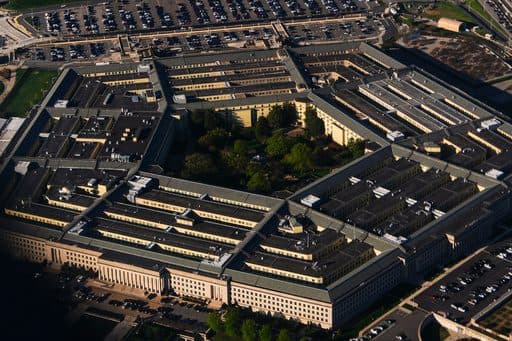
Trump’s budget director defends White House plan for massive boost in military spending
WASHINGTON (AP) — An effort to ramp up U.S. weapons production and build more ships, planes and drones will require a massive upfront investment, President Donald Trump’s budget director told a House committee Wednesday. The testimony from Russell Vought jump-starts the White House’s push to increase defense spending to nearly $1.5 trillion in the next budget year, up from nearly $1 trillion this year, while cutting health research, heating assistance and scores of other domestic programs by about 10% overall. Such cuts do not cover mandatory spending, which includes such programs as Social Security and Medicare. The debate over Trump’s proposal underscored the sharp divide that will shape some of the most significant policy debates going into a midterm election that will give voters the ultimate say on the direction of the country. “For the industrial base to double or triple and build more facilities, not just add shifts, it requires multiyear agreements to purchase into the future,” Vought told lawmakers. “That cost has to be booked in this first year.” The White House is calling for about $1.1 trillion for defense through the regular appropriations process, which typically requires support from both parties for approval. An additional $350 billion would come through a separate bill that Republicans can accomplish on their own, through party-line majority votes. Rep. Brendan Boyle of Pennsylvania, the ranking Democratic member of the committee, said he believes in a strong national defense. But he said the idea of increasing defense by more than 40% while cutting programs that people need shows that the Republican administration’s priorities are “out of whack.” The committee chairman, Rep. Jodey Arrington predicted the hearing would be more “amped up” than usual, and that proved to be true, beginning with his opening statement focused on criticizing Democrat Joe Biden’s presidency. Arrington, R-Texas, said he did not know of any president in his lifetime who “inherited such a complete and utter mess as President Trump did in January of last year.” Since then, Arrington said, Trump has secured the border, cut taxes and constrained nondefense spending. It was the beginning of several back-and-forths at the hearing. “You know how bad this economy is when we hear Joe Biden being invoked, we hear trans people being invoked. I was waiting for Jimmy Carter to be blamed next,” Boyle said in response to Arrington’s opening remarks. Boyle said consumer confidence is plummeting under Trump and noted a gas station he passed in Philadelphia recently was selling gas at $4.11 a gallon versus less than $3 a gallon some six weeks ago because of Trump’s “war of choice in Iran.” Rep. Becca Balint, D-Vt., called the proposed defense spending increase shocking. “We’ve never in the history of this country seen spending like this, paid for by slashing health care, education and housing,” Balint said. “Mr. Vought, yes or no, is $350 billion for the war in Iran lowering costs for Americans?” “It is certainly not defunding child care. We fully fund child care in this budget,” Vought said, not directly answering the question. Balint went on to incorporate Trump’s “America First” mantra in her questioning. She said $350 billion could pay for an enhanced health insurance tax credit for 10 years and that her constituents are asking how the country can continue to spend money on wars and not find a solution to helping people afford health care. Vought said the president has made clear he was not going to let Iran have a nuclear weapons, missiles and a navy that affect U.S. national security. “He is doing what is necessary to keep us safe, while at the same time trying to pursue diplomacy so that we can get out of wars and lower those costs over time,” Vought said. Vought said it was unclear how much the administration would seek to fund the war during the current budget year, which ends Sept. 30. That money would be part of an emergency supplemental spending bill and would be on top of the funds the White House is seeking to boost defense spending next year. “Would it be more than $50 billion?” asked Rep. Veronica Escobar, D-Texas. “We’re still working on it,” Vought said. “I don’t have a ballpark for you.” Copyright 2026 The Associated Press. All rights reserved. This material may not be published, broadcast, rewritten or redistributed without permission. The post Trump’s budget director defends White House plan for massive boost in military spending appeared first on KOB.com.
Trump’s budget director defends White House plan for massive boost in military spending
WASHINGTON (AP) — An effort to ramp up U.S. weapons production and build more ships, planes and drones will require a massive upfront investment, President Donald Trump’s budget director told a House committee Wednesday. The testimony from Russell Vought jump-starts the White House’s push to increase defense spending to nearly $1.5 trillion in the next budget year, up from nearly $1 trillion this year, while cutting health research, heating assistance and scores of other domestic programs by about 10% overall. Such cuts do not cover mandatory spending, which includes such programs as Social Security and Medicare. The debate over Trump’s proposal underscored the sharp divide that will shape some of the most significant policy debates going into a midterm election that will give voters the ultimate say on the direction of the country. “For the industrial base to double or triple and build more facilities, not just add shifts, it requires multiyear agreements to purchase into the future,” Vought told lawmakers. “That cost has to be booked in this first year.” The White House is calling for about $1.1 trillion for defense through the regular appropriations process, which typically requires support from both parties for approval. An additional $350 billion would come through a separate bill that Republicans can accomplish on their own, through party-line majority votes. Rep. Brendan Boyle of Pennsylvania, the ranking Democratic member of the committee, said he believes in a strong national defense. But he said the idea of increasing defense by more than 40% while cutting programs that people need shows that the Republican administration’s priorities are “out of whack.” The committee chairman, Rep. Jodey Arrington predicted the hearing would be more “amped up” than usual, and that proved to be true, beginning with his opening statement focused on criticizing Democrat Joe Biden’s presidency. Arrington, R-Texas, said he did not know of any president in his lifetime who “inherited such a complete and utter mess as President Trump did in January of last year.” Since then, Arrington said, Trump has secured the border, cut taxes and constrained nondefense spending. It was the beginning of several back-and-forths at the hearing. “You know how bad this economy is when we hear Joe Biden being invoked, we hear trans people being invoked. I was waiting for Jimmy Carter to be blamed next,” Boyle said in response to Arrington’s opening remarks. Boyle said consumer confidence is plummeting under Trump and noted a gas station he passed in Philadelphia recently was selling gas at $4.11 a gallon versus less than $3 a gallon some six weeks ago because of Trump’s “war of choice in Iran.” Rep. Becca Balint, D-Vt., called the proposed defense spending increase shocking. “We’ve never in the history of this country seen spending like this, paid for by slashing health care, education and housing,” Balint said. “Mr. Vought, yes or no, is $350 billion for the war in Iran lowering costs for Americans?” “It is certainly not defunding child care. We fully fund child care in this budget,” Vought said, not directly answering the question. Balint went on to incorporate Trump’s “America First” mantra in her questioning. She said $350 billion could pay for an enhanced health insurance tax credit for 10 years and that her constituents are asking how the country can continue to spend money on wars and not find a solution to helping people afford health care. Vought said the president has made clear he was not going to let Iran have a nuclear weapons, missiles and a navy that affect U.S. national security. “He is doing what is necessary to keep us safe, while at the same time trying to pursue diplomacy so that we can get out of wars and lower those costs over time,” Vought said. Vought said it was unclear how much the administration would seek to fund the war during the current budget year, which ends Sept. 30. That money would be part of an emergency supplemental spending bill and would be on top of the funds the White House is seeking to boost defense spending next year. “Would it be more than $50 billion?” asked Rep. Veronica Escobar, D-Texas. “We’re still working on it,” Vought said. “I don’t have a ballpark for you.” Copyright 2026 The Associated Press. All rights reserved. This material may not be published, broadcast, rewritten or redistributed without permission. The post Trump’s budget director defends White House plan for massive boost in military spending appeared first on KOB.com.
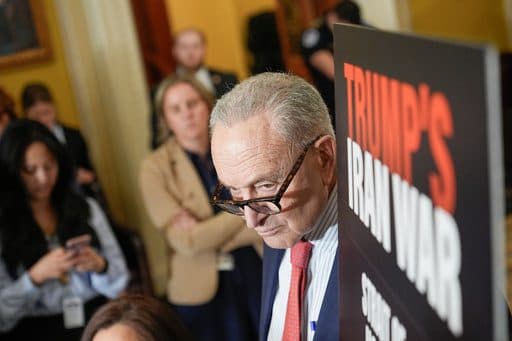
Senate Republicans reject effort to halt Iran war, but some eye future war powers votes
WASHINGTON (AP) — The Republican-led Senate on Wednesday rejected the latest Democratic attempt to halt President Donald Trump’s war in Iran, turning aside a resolution that would require the U.S. to withdraw forces from the conflict until Congress authorizes further action. The 47-52 vote was the fourth time this year that the Senate has voted to cede its war powers to the president in a conflict that Democrats say is illegal and unjustified. Republicans say they will keep faith in Trump’s wartime leadership, for now, citing Iran’s nuclear capabilities, the potential for ongoing talks and the high stakes of withdrawal. Still, GOP lawmakers are anxious for the conflict to end, and some are eyeing future votes that could become an important test for the president if the war drags on. And the outcome of a war powers vote in the House, expected this week, is uncertain. Under the War Powers Act of 1973, Congress must declare war or authorize use of force within 60 days of its start — a deadline that will arrive at the end of this month. The law provides for a potential 30-day extension of that deadline, but lawmakers have made clear that they want the administration to soon lay out a plan for the end of the conflict. After the 60-day or 90-day deadline, “it’s time to fish or cut bait,” said Republican Sen. Thom Tillis of North Carolina. “I think that the administration would be wise to put together what would look like a well-founded authorization of military force and a funding strategy.” Republican senators mull a war powers resolution While voting against the Democratic efforts to stop the war, Sen. Lisa Murkowski, R-Alaska, has been talking to her GOP colleagues about a resolution that would authorize the conflict beyond the 60-day deadline. She said last month that the Democratic measures would hurt the troops by prompting an abrupt withdrawal. But she said that Congress should eventually draft an authorization of force and vote on it “so the American people know the limits and objectives of this military operation.” “There is no question that the president should have sought authorization from Congress before striking Iran on this scale, likewise bringing in our allies ahead of time as they now are equally in danger,” she said at the beginning of March. Utah Sen. John Curtis said Wednesday that he had looked at Murkowski’s draft and provided feedback, but would not share details. “I think we are all watching” the war and its timeline, Curtis said, adding that he hopes it ends before the deadline. Sen. Josh Hawley, R-Mo., also said he would like to see the war end in the coming weeks. If not, he said, “at the end of 60 days, I think we need to vote on a military authorization.” Republican Sen. Susan Collins of Maine said that the president’s power “is not unlimited as commander in chief.” “If this conflict exceeds the 60 days specified in the War Powers Act, or if the President deploys troops on the ground, I believe that Congress should have to authorize those actions,” Collins said in a statement. Republican leaders are noncommittal It remains unclear if Republican leaders would go along with a vote to authorize the war. Senate Majority Leader John Thune said this week that “at this point most of us I think feel pretty good about what the military has achieved” in Iran. But Thune did say that “they do need a plan for how to wind this down, how to get an outcome that actually leads to a safer, more secure Middle East and, by extension, a stronger national security position for the United States.” Thune said another “inflection point” will be an eventual White House request for war funding. Congress is still waiting for the request, which could total hundreds of billions of dollars. That is a “power that Congress has to influence what happens there,” Thune said. Republican Sen. Jim Lankford of Oklahoma said that war funding will “be the big vote.” He added that the question, then, will be: “Is it going to happen or is it not going to happen?” Lankford said. Sen. John Kennedy, R-La., said that at the 60-day deadline, Congress isn’t going to “jump up and say that’s it, it’s one second past 60 days, everybody come home.” Some of the people who want a vote just want to embarrass Trump, Kennedy said. “I want to see us achieve our objective in Iran,” Kennedy said. “And then I want to see us get out.” Democrats say war is illegal, unnecessary Democrats have vowed to force votes on the Senate floor as long as the war continues. “As our troops continue to sacrifice whatever is asked of them, we senators need to do the absolute minimum required of us,” said Democratic Sen. Tammy Duckworth of Illinois, an Iraq war veteran who lost both legs in combat, before Wednesday’s vote. Senate Majority Leader Chuck Schumer said that with gas prices climbing, “the American people literally cannot afford for Republicans to forgo another opportunity to work with Democrats to end Trump’s disastrous war.” ___ Associated Press writers Seung Min Kim and Steven Sloan contributed to this report. Copyright 2026 The Associated Press. All rights reserved. This material may not be published, broadcast, rewritten or redistributed without permission. The post Senate Republicans reject effort to halt Iran war, but some eye future war powers votes appeared first on KOB.com.
Trump’s budget director defends White House plan for massive boost in military spending
WASHINGTON (AP) — An effort to ramp up U.S. weapons production and build more ships, planes and drones will require a massive upfront investment, President Donald Trump’s budget director told a House committee Wednesday. The testimony from Russell Vought jump-starts the White House’s push to increase defense spending to nearly $1.5 trillion in the next budget year, up from nearly $1 trillion this year, while cutting health research, heating assistance and scores of other domestic programs by about 10% overall. Such cuts do not cover mandatory spending, which includes such programs as Social Security and Medicare. The debate over Trump’s proposal underscored the sharp divide that will shape some of the most significant policy debates going into a midterm election that will give voters the ultimate say on the direction of the country. “For the industrial base to double or triple and build more facilities, not just add shifts, it requires multiyear agreements to purchase into the future,” Vought told lawmakers. “That cost has to be booked in this first year.” The White House is calling for about $1.1 trillion for defense through the regular appropriations process, which typically requires support from both parties for approval. An additional $350 billion would come through a separate bill that Republicans can accomplish on their own, through party-line majority votes. Rep. Brendan Boyle of Pennsylvania, the ranking Democratic member of the committee, said he believes in a strong national defense. But he said the idea of increasing defense by more than 40% while cutting programs that people need shows that the Republican administration’s priorities are “out of whack.” The committee chairman, Rep. Jodey Arrington predicted the hearing would be more “amped up” than usual, and that proved to be true, beginning with his opening statement focused on criticizing Democrat Joe Biden’s presidency. Arrington, R-Texas, said he did not know of any president in his lifetime who “inherited such a complete and utter mess as President Trump did in January of last year.” Since then, Arrington said, Trump has secured the border, cut taxes and constrained nondefense spending. It was the beginning of several back-and-forths at the hearing. “You know how bad this economy is when we hear Joe Biden being invoked, we hear trans people being invoked. I was waiting for Jimmy Carter to be blamed next,” Boyle said in response to Arrington’s opening remarks. Boyle said consumer confidence is plummeting under Trump and noted a gas station he passed in Philadelphia recently was selling gas at $4.11 a gallon versus less than $3 a gallon some six weeks ago because of Trump’s “war of choice in Iran.” Rep. Becca Balint, D-Vt., called the proposed defense spending increase shocking. “We’ve never in the history of this country seen spending like this, paid for by slashing health care, education and housing,” Balint said. “Mr. Vought, yes or no, is $350 billion for the war in Iran lowering costs for Americans?” “It is certainly not defunding child care. We fully fund child care in this budget,” Vought said, not directly answering the question. Balint went on to incorporate Trump’s “America First” mantra in her questioning. She said $350 billion could pay for an enhanced health insurance tax credit for 10 years and that her constituents are asking how the country can continue to spend money on wars and not find a solution to helping people afford health care. Vought said the president has made clear he was not going to let Iran have a nuclear weapons, missiles and a navy that affect U.S. national security. “He is doing what is necessary to keep us safe, while at the same time trying to pursue diplomacy so that we can get out of wars and lower those costs over time,” Vought said. Vought said it was unclear how much the administration would seek to fund the war during the current budget year, which ends Sept. 30. That money would be part of an emergency supplemental spending bill and would be on top of the funds the White House is seeking to boost defense spending next year. “Would it be more than $50 billion?” asked Rep. Veronica Escobar, D-Texas. “We’re still working on it,” Vought said. “I don’t have a ballpark for you.” Copyright 2026 The Associated Press. All rights reserved. This material may not be published, broadcast, rewritten or redistributed without permission. The post Trump’s budget director defends White House plan for massive boost in military spending appeared first on KOB.com.
Trump’s budget director defends White House plan for massive boost in military spending
WASHINGTON (AP) — An effort to ramp up U.S. weapons production and build more ships, planes and drones will require a massive upfront investment, President Donald Trump’s budget director told a House committee Wednesday. The testimony from Russell Vought jump-starts the White House’s push to increase defense spending to nearly $1.5 trillion in the next budget year, up from nearly $1 trillion this year, while cutting health research, heating assistance and scores of other domestic programs by about 10% overall. Such cuts do not cover mandatory spending, which includes such programs as Social Security and Medicare. The debate over Trump’s proposal underscored the sharp divide that will shape some of the most significant policy debates going into a midterm election that will give voters the ultimate say on the direction of the country. “For the industrial base to double or triple and build more facilities, not just add shifts, it requires multiyear agreements to purchase into the future,” Vought told lawmakers. “That cost has to be booked in this first year.” The White House is calling for about $1.1 trillion for defense through the regular appropriations process, which typically requires support from both parties for approval. An additional $350 billion would come through a separate bill that Republicans can accomplish on their own, through party-line majority votes. Rep. Brendan Boyle of Pennsylvania, the ranking Democratic member of the committee, said he believes in a strong national defense. But he said the idea of increasing defense by more than 40% while cutting programs that people need shows that the Republican administration’s priorities are “out of whack.” The committee chairman, Rep. Jodey Arrington predicted the hearing would be more “amped up” than usual, and that proved to be true, beginning with his opening statement focused on criticizing Democrat Joe Biden’s presidency. Arrington, R-Texas, said he did not know of any president in his lifetime who “inherited such a complete and utter mess as President Trump did in January of last year.” Since then, Arrington said, Trump has secured the border, cut taxes and constrained nondefense spending. It was the beginning of several back-and-forths at the hearing. “You know how bad this economy is when we hear Joe Biden being invoked, we hear trans people being invoked. I was waiting for Jimmy Carter to be blamed next,” Boyle said in response to Arrington’s opening remarks. Boyle said consumer confidence is plummeting under Trump and noted a gas station he passed in Philadelphia recently was selling gas at $4.11 a gallon versus less than $3 a gallon some six weeks ago because of Trump’s “war of choice in Iran.” Rep. Becca Balint, D-Vt., called the proposed defense spending increase shocking. “We’ve never in the history of this country seen spending like this, paid for by slashing health care, education and housing,” Balint said. “Mr. Vought, yes or no, is $350 billion for the war in Iran lowering costs for Americans?” “It is certainly not defunding child care. We fully fund child care in this budget,” Vought said, not directly answering the question. Balint went on to incorporate Trump’s “America First” mantra in her questioning. She said $350 billion could pay for an enhanced health insurance tax credit for 10 years and that her constituents are asking how the country can continue to spend money on wars and not find a solution to helping people afford health care. Vought said the president has made clear he was not going to let Iran have a nuclear weapons, missiles and a navy that affect U.S. national security. “He is doing what is necessary to keep us safe, while at the same time trying to pursue diplomacy so that we can get out of wars and lower those costs over time,” Vought said. Vought said it was unclear how much the administration would seek to fund the war during the current budget year, which ends Sept. 30. That money would be part of an emergency supplemental spending bill and would be on top of the funds the White House is seeking to boost defense spending next year. “Would it be more than $50 billion?” asked Rep. Veronica Escobar, D-Texas. “We’re still working on it,” Vought said. “I don’t have a ballpark for you.” Copyright 2026 The Associated Press. All rights reserved. This material may not be published, broadcast, rewritten or redistributed without permission. The post Trump’s budget director defends White House plan for massive boost in military spending appeared first on KOB.com.
Senate Republicans reject effort to halt Iran war, but some eye future war powers votes
WASHINGTON (AP) — The Republican-led Senate on Wednesday rejected the latest Democratic attempt to halt President Donald Trump’s war in Iran, turning aside a resolution that would require the U.S. to withdraw forces from the conflict until Congress authorizes further action. The 47-52 vote was the fourth time this year that the Senate has voted to cede its war powers to the president in a conflict that Democrats say is illegal and unjustified. Republicans say they will keep faith in Trump’s wartime leadership, for now, citing Iran’s nuclear capabilities, the potential for ongoing talks and the high stakes of withdrawal. Still, GOP lawmakers are anxious for the conflict to end, and some are eyeing future votes that could become an important test for the president if the war drags on. And the outcome of a war powers vote in the House, expected this week, is uncertain. Under the War Powers Act of 1973, Congress must declare war or authorize use of force within 60 days of its start — a deadline that will arrive at the end of this month. The law provides for a potential 30-day extension of that deadline, but lawmakers have made clear that they want the administration to soon lay out a plan for the end of the conflict. After the 60-day or 90-day deadline, “it’s time to fish or cut bait,” said Republican Sen. Thom Tillis of North Carolina. “I think that the administration would be wise to put together what would look like a well-founded authorization of military force and a funding strategy.” Republican senators mull a war powers resolution While voting against the Democratic efforts to stop the war, Sen. Lisa Murkowski, R-Alaska, has been talking to her GOP colleagues about a resolution that would authorize the conflict beyond the 60-day deadline. She said last month that the Democratic measures would hurt the troops by prompting an abrupt withdrawal. But she said that Congress should eventually draft an authorization of force and vote on it “so the American people know the limits and objectives of this military operation.” “There is no question that the president should have sought authorization from Congress before striking Iran on this scale, likewise bringing in our allies ahead of time as they now are equally in danger,” she said at the beginning of March. Utah Sen. John Curtis said Wednesday that he had looked at Murkowski’s draft and provided feedback, but would not share details. “I think we are all watching” the war and its timeline, Curtis said, adding that he hopes it ends before the deadline. Sen. Josh Hawley, R-Mo., also said he would like to see the war end in the coming weeks. If not, he said, “at the end of 60 days, I think we need to vote on a military authorization.” Republican Sen. Susan Collins of Maine said that the president’s power “is not unlimited as commander in chief.” “If this conflict exceeds the 60 days specified in the War Powers Act, or if the President deploys troops on the ground, I believe that Congress should have to authorize those actions,” Collins said in a statement. Republican leaders are noncommittal It remains unclear if Republican leaders would go along with a vote to authorize the war. Senate Majority Leader John Thune said this week that “at this point most of us I think feel pretty good about what the military has achieved” in Iran. But Thune did say that “they do need a plan for how to wind this down, how to get an outcome that actually leads to a safer, more secure Middle East and, by extension, a stronger national security position for the United States.” Thune said another “inflection point” will be an eventual White House request for war funding. Congress is still waiting for the request, which could total hundreds of billions of dollars. That is a “power that Congress has to influence what happens there,” Thune said. Republican Sen. Jim Lankford of Oklahoma said that war funding will “be the big vote.” He added that the question, then, will be: “Is it going to happen or is it not going to happen?” Lankford said. Sen. John Kennedy, R-La., said that at the 60-day deadline, Congress isn’t going to “jump up and say that’s it, it’s one second past 60 days, everybody come home.” Some of the people who want a vote just want to embarrass Trump, Kennedy said. “I want to see us achieve our objective in Iran,” Kennedy said. “And then I want to see us get out.” Democrats say war is illegal, unnecessary Democrats have vowed to force votes on the Senate floor as long as the war continues. “As our troops continue to sacrifice whatever is asked of them, we senators need to do the absolute minimum required of us,” said Democratic Sen. Tammy Duckworth of Illinois, an Iraq war veteran who lost both legs in combat, before Wednesday’s vote. Senate Majority Leader Chuck Schumer said that with gas prices climbing, “the American people literally cannot afford for Republicans to forgo another opportunity to work with Democrats to end Trump’s disastrous war.” ___ Associated Press writers Seung Min Kim and Steven Sloan contributed to this report. Copyright 2026 The Associated Press. All rights reserved. This material may not be published, broadcast, rewritten or redistributed without permission. The post Senate Republicans reject effort to halt Iran war, but some eye future war powers votes appeared first on KOB.com.
Senate Republicans reject effort to halt Iran war, but some eye future war powers votes
WASHINGTON (AP) — The Republican-led Senate on Wednesday rejected the latest Democratic attempt to halt President Donald Trump’s war in Iran, turning aside a resolution that would require the U.S. to withdraw forces from the conflict until Congress authorizes further action. The 47-52 vote was the fourth time this year that the Senate has voted to cede its war powers to the president in a conflict that Democrats say is illegal and unjustified. Republicans say they will keep faith in Trump’s wartime leadership, for now, citing Iran’s nuclear capabilities, the potential for ongoing talks and the high stakes of withdrawal. Still, GOP lawmakers are anxious for the conflict to end, and some are eyeing future votes that could become an important test for the president if the war drags on. And the outcome of a war powers vote in the House, expected this week, is uncertain. Under the War Powers Act of 1973, Congress must declare war or authorize use of force within 60 days of its start — a deadline that will arrive at the end of this month. The law provides for a potential 30-day extension of that deadline, but lawmakers have made clear that they want the administration to soon lay out a plan for the end of the conflict. After the 60-day or 90-day deadline, “it’s time to fish or cut bait,” said Republican Sen. Thom Tillis of North Carolina. “I think that the administration would be wise to put together what would look like a well-founded authorization of military force and a funding strategy.” Republican senators mull a war powers resolution While voting against the Democratic efforts to stop the war, Sen. Lisa Murkowski, R-Alaska, has been talking to her GOP colleagues about a resolution that would authorize the conflict beyond the 60-day deadline. She said last month that the Democratic measures would hurt the troops by prompting an abrupt withdrawal. But she said that Congress should eventually draft an authorization of force and vote on it “so the American people know the limits and objectives of this military operation.” “There is no question that the president should have sought authorization from Congress before striking Iran on this scale, likewise bringing in our allies ahead of time as they now are equally in danger,” she said at the beginning of March. Utah Sen. John Curtis said Wednesday that he had looked at Murkowski’s draft and provided feedback, but would not share details. “I think we are all watching” the war and its timeline, Curtis said, adding that he hopes it ends before the deadline. Sen. Josh Hawley, R-Mo., also said he would like to see the war end in the coming weeks. If not, he said, “at the end of 60 days, I think we need to vote on a military authorization.” Republican Sen. Susan Collins of Maine said that the president’s power “is not unlimited as commander in chief.” “If this conflict exceeds the 60 days specified in the War Powers Act, or if the President deploys troops on the ground, I believe that Congress should have to authorize those actions,” Collins said in a statement. Republican leaders are noncommittal It remains unclear if Republican leaders would go along with a vote to authorize the war. Senate Majority Leader John Thune said this week that “at this point most of us I think feel pretty good about what the military has achieved” in Iran. But Thune did say that “they do need a plan for how to wind this down, how to get an outcome that actually leads to a safer, more secure Middle East and, by extension, a stronger national security position for the United States.” Thune said another “inflection point” will be an eventual White House request for war funding. Congress is still waiting for the request, which could total hundreds of billions of dollars. That is a “power that Congress has to influence what happens there,” Thune said. Republican Sen. Jim Lankford of Oklahoma said that war funding will “be the big vote.” He added that the question, then, will be: “Is it going to happen or is it not going to happen?” Lankford said. Sen. John Kennedy, R-La., said that at the 60-day deadline, Congress isn’t going to “jump up and say that’s it, it’s one second past 60 days, everybody come home.” Some of the people who want a vote just want to embarrass Trump, Kennedy said. “I want to see us achieve our objective in Iran,” Kennedy said. “And then I want to see us get out.” Democrats say war is illegal, unnecessary Democrats have vowed to force votes on the Senate floor as long as the war continues. “As our troops continue to sacrifice whatever is asked of them, we senators need to do the absolute minimum required of us,” said Democratic Sen. Tammy Duckworth of Illinois, an Iraq war veteran who lost both legs in combat, before Wednesday’s vote. Senate Majority Leader Chuck Schumer said that with gas prices climbing, “the American people literally cannot afford for Republicans to forgo another opportunity to work with Democrats to end Trump’s disastrous war.” ___ Associated Press writers Seung Min Kim and Steven Sloan contributed to this report. Copyright 2026 The Associated Press. All rights reserved. This material may not be published, broadcast, rewritten or redistributed without permission. The post Senate Republicans reject effort to halt Iran war, but some eye future war powers votes appeared first on KOB.com.
Senate Republicans reject effort to halt Iran war, but some eye future war powers votes
WASHINGTON (AP) — The Republican-led Senate on Wednesday rejected the latest Democratic attempt to halt President Donald Trump’s war in Iran, turning aside a resolution that would require the U.S. to withdraw forces from the conflict until Congress authorizes further action. The 47-52 vote was the fourth time this year that the Senate has voted to cede its war powers to the president in a conflict that Democrats say is illegal and unjustified. Republicans say they will keep faith in Trump’s wartime leadership, for now, citing Iran’s nuclear capabilities, the potential for ongoing talks and the high stakes of withdrawal. Still, GOP lawmakers are anxious for the conflict to end, and some are eyeing future votes that could become an important test for the president if the war drags on. And the outcome of a war powers vote in the House, expected this week, is uncertain. Under the War Powers Act of 1973, Congress must declare war or authorize use of force within 60 days of its start — a deadline that will arrive at the end of this month. The law provides for a potential 30-day extension of that deadline, but lawmakers have made clear that they want the administration to soon lay out a plan for the end of the conflict. After the 60-day or 90-day deadline, “it’s time to fish or cut bait,” said Republican Sen. Thom Tillis of North Carolina. “I think that the administration would be wise to put together what would look like a well-founded authorization of military force and a funding strategy.” Republican senators mull a war powers resolution While voting against the Democratic efforts to stop the war, Sen. Lisa Murkowski, R-Alaska, has been talking to her GOP colleagues about a resolution that would authorize the conflict beyond the 60-day deadline. She said last month that the Democratic measures would hurt the troops by prompting an abrupt withdrawal. But she said that Congress should eventually draft an authorization of force and vote on it “so the American people know the limits and objectives of this military operation.” “There is no question that the president should have sought authorization from Congress before striking Iran on this scale, likewise bringing in our allies ahead of time as they now are equally in danger,” she said at the beginning of March. Utah Sen. John Curtis said Wednesday that he had looked at Murkowski’s draft and provided feedback, but would not share details. “I think we are all watching” the war and its timeline, Curtis said, adding that he hopes it ends before the deadline. Sen. Josh Hawley, R-Mo., also said he would like to see the war end in the coming weeks. If not, he said, “at the end of 60 days, I think we need to vote on a military authorization.” Republican Sen. Susan Collins of Maine said that the president’s power “is not unlimited as commander in chief.” “If this conflict exceeds the 60 days specified in the War Powers Act, or if the President deploys troops on the ground, I believe that Congress should have to authorize those actions,” Collins said in a statement. Republican leaders are noncommittal It remains unclear if Republican leaders would go along with a vote to authorize the war. Senate Majority Leader John Thune said this week that “at this point most of us I think feel pretty good about what the military has achieved” in Iran. But Thune did say that “they do need a plan for how to wind this down, how to get an outcome that actually leads to a safer, more secure Middle East and, by extension, a stronger national security position for the United States.” Thune said another “inflection point” will be an eventual White House request for war funding. Congress is still waiting for the request, which could total hundreds of billions of dollars. That is a “power that Congress has to influence what happens there,” Thune said. Republican Sen. Jim Lankford of Oklahoma said that war funding will “be the big vote.” He added that the question, then, will be: “Is it going to happen or is it not going to happen?” Lankford said. Sen. John Kennedy, R-La., said that at the 60-day deadline, Congress isn’t going to “jump up and say that’s it, it’s one second past 60 days, everybody come home.” Some of the people who want a vote just want to embarrass Trump, Kennedy said. “I want to see us achieve our objective in Iran,” Kennedy said. “And then I want to see us get out.” Democrats say war is illegal, unnecessary Democrats have vowed to force votes on the Senate floor as long as the war continues. “As our troops continue to sacrifice whatever is asked of them, we senators need to do the absolute minimum required of us,” said Democratic Sen. Tammy Duckworth of Illinois, an Iraq war veteran who lost both legs in combat, before Wednesday’s vote. Senate Majority Leader Chuck Schumer said that with gas prices climbing, “the American people literally cannot afford for Republicans to forgo another opportunity to work with Democrats to end Trump’s disastrous war.” ___ Associated Press writers Seung Min Kim and Steven Sloan contributed to this report. Copyright 2026 The Associated Press. All rights reserved. This material may not be published, broadcast, rewritten or redistributed without permission. The post Senate Republicans reject effort to halt Iran war, but some eye future war powers votes appeared first on KOB.com.

Aviation safety bill based on deadly midair collision near Washington faces a House vote
An aviation safety bill seeking to address lessons learned from last year’s midair collision of a jet with an Army helicopter near the nation’s capital is up for a vote Tuesday evening in the House, but key senators and the families of the 67 victims think the bill needs to be strengthened. The House bill, called the Alert Act, has the backing of key industry groups. The National Transportation Safety Board said recently that the legislation, since amended, now addresses its recommendation to require all aircraft flying around busy airports to have key locator systems that let pilots know more precisely where other aircraft are flying around them. The NTSB has been recommending the new technology systems since 2008, and Chairwoman Jennifer Homendy has said such a system would have prevented the collision of the American Airlines jet and Army Black Hawk helicopter that sent both aircraft plunging into the icy Potomac River. Two key House committees unanimously advanced the bill last month. The bill is now being brought up for a full House vote under rules that won’t allow any amendments. But victims’ families said they want to make sure the bill has strict timelines to guarantee the reforms will be completed. And they worry the House bill would allow military flights to continue flying without broadcasting their locations on routine training flights and not just secret missions. “January 29, 2025 made clear what is at stake. The 67 lives lost that day should be honored with an improved system that prevents this from happening again,” the main families group said Tuesday in a new statement. “And the flying public should not have to wait longer than necessary for those protections to be in place.” Sponsored by Republican Sam Graves and Democrat Rick Larsen, the legislation needs to secure two thirds of House support to advance to the Senate. Separate legislation called the ROTOR Act that the Senate crafted came up one vote short in the House. Senators Ted Cruz and Maria Cantwell have also said the Alert Act still needs to be improved. Earlier this year, the NTSB’s Homendy sharply criticized the original version of the bill as a “watered down” measure that wouldn’t do enough to prevent future tragedies. But the board said the revised version would now address the shortcomings their investigation identified and require the Federal Aviation Administration, Transportation Department and the military to take needed actions. National Transportation Safety Board members at a hearing in late January were deeply troubled over years of ignored warnings about helicopter traffic dangers and other problems, long before the collision. Everyone aboard the American Airlines jet, flying from Wichita, Kansas, and the helicopter died when the two aircraft collided. It was the deadliest plane crash on U.S. soil since 2001, and the victims included 28 members of the figure skating community. A helicopter route in the approach path of a Reagan National Airport runway didn’t ensure enough separation between helicopters and planes landing on the airport’s secondary runway, and the route wasn’t reviewed regularly, the board said. The poor design of that route was a key factor in the crash along with air traffic controllers relying too much on pilots seeing and avoiding other aircraft. The bill now requires planes to have Automatic Dependent Surveillance-Broadcast In systems that can receive data about the locations of other aircraft. Proponents of the use of such systems said they would have alerted the pilots of an American Airlines jet sooner about the impending collision with the Black Hawk helicopter. Most planes already have the complementary ADS-B Out systems that broadcast their locations. The NTSB cited systemic weaknesses and years of ignored warnings as the main causes of the crash, but Homendy has said that if both the plane and the Black Hawk had been equipped with ADS-B In and the systems had been turned on, the collision would have been prevented. The Army’s policy at the time of the crash mandated that its helicopters fly without that system on to conceal their locations, although the helicopter involved in this crash was on a training flight, not a sensitive mission. ___ This story has been updated to correct the last name of Rep. Rick Larsen, not Larens. Copyright 2026 The Associated Press. All rights reserved. This material may not be published, broadcast, rewritten or redistributed without permission. The post Aviation safety bill based on deadly midair collision near Washington faces a House vote appeared first on KOB.com.
Aviation safety bill based on deadly midair collision near Washington faces a House vote
An aviation safety bill seeking to address lessons learned from last year’s midair collision of a jet with an Army helicopter near the nation’s capital is up for a vote Tuesday evening in the House, but key senators and the families of the 67 victims think the bill needs to be strengthened. The House bill, called the Alert Act, has the backing of key industry groups. The National Transportation Safety Board said recently that the legislation, since amended, now addresses its recommendation to require all aircraft flying around busy airports to have key locator systems that let pilots know more precisely where other aircraft are flying around them. The NTSB has been recommending the new technology systems since 2008, and Chairwoman Jennifer Homendy has said such a system would have prevented the collision of the American Airlines jet and Army Black Hawk helicopter that sent both aircraft plunging into the icy Potomac River. Two key House committees unanimously advanced the bill last month. The bill is now being brought up for a full House vote under rules that won’t allow any amendments. But victims’ families said they want to make sure the bill has strict timelines to guarantee the reforms will be completed. And they worry the House bill would allow military flights to continue flying without broadcasting their locations on routine training flights and not just secret missions. “January 29, 2025 made clear what is at stake. The 67 lives lost that day should be honored with an improved system that prevents this from happening again,” the main families group said Tuesday in a new statement. “And the flying public should not have to wait longer than necessary for those protections to be in place.” Sponsored by Republican Sam Graves and Democrat Rick Larsen, the legislation needs to secure two thirds of House support to advance to the Senate. Separate legislation called the ROTOR Act that the Senate crafted came up one vote short in the House. Senators Ted Cruz and Maria Cantwell have also said the Alert Act still needs to be improved. Earlier this year, the NTSB’s Homendy sharply criticized the original version of the bill as a “watered down” measure that wouldn’t do enough to prevent future tragedies. But the board said the revised version would now address the shortcomings their investigation identified and require the Federal Aviation Administration, Transportation Department and the military to take needed actions. National Transportation Safety Board members at a hearing in late January were deeply troubled over years of ignored warnings about helicopter traffic dangers and other problems, long before the collision. Everyone aboard the American Airlines jet, flying from Wichita, Kansas, and the helicopter died when the two aircraft collided. It was the deadliest plane crash on U.S. soil since 2001, and the victims included 28 members of the figure skating community. A helicopter route in the approach path of a Reagan National Airport runway didn’t ensure enough separation between helicopters and planes landing on the airport’s secondary runway, and the route wasn’t reviewed regularly, the board said. The poor design of that route was a key factor in the crash along with air traffic controllers relying too much on pilots seeing and avoiding other aircraft. The bill now requires planes to have Automatic Dependent Surveillance-Broadcast In systems that can receive data about the locations of other aircraft. Proponents of the use of such systems said they would have alerted the pilots of an American Airlines jet sooner about the impending collision with the Black Hawk helicopter. Most planes already have the complementary ADS-B Out systems that broadcast their locations. The NTSB cited systemic weaknesses and years of ignored warnings as the main causes of the crash, but Homendy has said that if both the plane and the Black Hawk had been equipped with ADS-B In and the systems had been turned on, the collision would have been prevented. The Army’s policy at the time of the crash mandated that its helicopters fly without that system on to conceal their locations, although the helicopter involved in this crash was on a training flight, not a sensitive mission. ___ This story has been updated to correct the last name of Rep. Rick Larsen, not Larens. Copyright 2026 The Associated Press. All rights reserved. This material may not be published, broadcast, rewritten or redistributed without permission. The post Aviation safety bill based on deadly midair collision near Washington faces a House vote appeared first on KOB.com.
Aviation safety bill based on deadly midair collision near Washington faces a House vote
An aviation safety bill seeking to address lessons learned from last year’s midair collision of a jet with an Army helicopter near the nation’s capital is up for a vote Tuesday evening in the House, but key senators and the families of the 67 victims think the bill needs to be strengthened. The House bill, called the Alert Act, has the backing of key industry groups. The National Transportation Safety Board said recently that the legislation, since amended, now addresses its recommendation to require all aircraft flying around busy airports to have key locator systems that let pilots know more precisely where other aircraft are flying around them. The NTSB has been recommending the new technology systems since 2008, and Chairwoman Jennifer Homendy has said such a system would have prevented the collision of the American Airlines jet and Army Black Hawk helicopter that sent both aircraft plunging into the icy Potomac River. Two key House committees unanimously advanced the bill last month. The bill is now being brought up for a full House vote under rules that won’t allow any amendments. But victims’ families said they want to make sure the bill has strict timelines to guarantee the reforms will be completed. And they worry the House bill would allow military flights to continue flying without broadcasting their locations on routine training flights and not just secret missions. “January 29, 2025 made clear what is at stake. The 67 lives lost that day should be honored with an improved system that prevents this from happening again,” the main families group said Tuesday in a new statement. “And the flying public should not have to wait longer than necessary for those protections to be in place.” Sponsored by Republican Sam Graves and Democrat Rick Larsen, the legislation needs to secure two thirds of House support to advance to the Senate. Separate legislation called the ROTOR Act that the Senate crafted came up one vote short in the House. Senators Ted Cruz and Maria Cantwell have also said the Alert Act still needs to be improved. Earlier this year, the NTSB’s Homendy sharply criticized the original version of the bill as a “watered down” measure that wouldn’t do enough to prevent future tragedies. But the board said the revised version would now address the shortcomings their investigation identified and require the Federal Aviation Administration, Transportation Department and the military to take needed actions. National Transportation Safety Board members at a hearing in late January were deeply troubled over years of ignored warnings about helicopter traffic dangers and other problems, long before the collision. Everyone aboard the American Airlines jet, flying from Wichita, Kansas, and the helicopter died when the two aircraft collided. It was the deadliest plane crash on U.S. soil since 2001, and the victims included 28 members of the figure skating community. A helicopter route in the approach path of a Reagan National Airport runway didn’t ensure enough separation between helicopters and planes landing on the airport’s secondary runway, and the route wasn’t reviewed regularly, the board said. The poor design of that route was a key factor in the crash along with air traffic controllers relying too much on pilots seeing and avoiding other aircraft. The bill now requires planes to have Automatic Dependent Surveillance-Broadcast In systems that can receive data about the locations of other aircraft. Proponents of the use of such systems said they would have alerted the pilots of an American Airlines jet sooner about the impending collision with the Black Hawk helicopter. Most planes already have the complementary ADS-B Out systems that broadcast their locations. The NTSB cited systemic weaknesses and years of ignored warnings as the main causes of the crash, but Homendy has said that if both the plane and the Black Hawk had been equipped with ADS-B In and the systems had been turned on, the collision would have been prevented. The Army’s policy at the time of the crash mandated that its helicopters fly without that system on to conceal their locations, although the helicopter involved in this crash was on a training flight, not a sensitive mission. ___ This story has been updated to correct the last name of Rep. Rick Larsen, not Larens. Copyright 2026 The Associated Press. All rights reserved. This material may not be published, broadcast, rewritten or redistributed without permission. The post Aviation safety bill based on deadly midair collision near Washington faces a House vote appeared first on KOB.com.

Rep. Eric Swalwell of California says he will resign after sexual misconduct allegations
WASHINGTON (AP) — Democratic Rep. Eric Swalwell of California announced Monday he will resign from Congress following sexual assault and misconduct allegations that prompted loud bipartisan calls for him to step down. The decision caps a swift political fall for the seven-term lawmaker, who had been seen as a frontrunner in California’s gubernatorial race before dropping out Sunday as the allegations surfaced, claims he has continued to deny. The San Francisco Chronicle, followed by CNN, first reported allegations that Swalwell had sexually assaulted a woman twice, including when she worked for him. CNN also reported that three other women alleged various kinds of sexual misconduct by Swalwell — including sending them unsolicited explicit messages or nude photos. “I am deeply sorry to my family, staff, and constituents for mistakes in judgment I’ve made in my past,” Swalwell said on social media. “I will fight the serious false allegation made against me. However, I must take responsibility and ownership for the mistakes I did make.” The House Ethics Committee had begun an investigation into whether Swalwell engaged in sexual misconduct toward an employee working under his supervision, the panel announced Monday. Other lawmakers were pushing for a quick vote to expel him from Congress. Several Democrats had quickly called on Swalwell to resign in the days after the allegations came to light, including prominent allies such as Arizona Sen. Ruben Gallego. California Sen. Adam Schiff, who withdrew his endorsement for Swalwell’s gubernatorial bid, told reporters Monday that “the whole thing is just shocking and deeply upsetting.” “I think he made the right decision to resign,” Schiff said. Swalwell wrote in the statement posted to social media that he was “aware of efforts to bring an immediate expulsion vote” and that it was “wrong” without due process. “But it’s also wrong for my constituents to have me distracted from my duties. Therefore, I plan to resign my seat in Congress,” Swalwell wrote. He did not provide a timeframe, saying only that he would work with his staff in the coming days to ensure their work can continue. Swalwell, an Iowa native, was elected in 2012 and represents a House district east of San Francisco. He launched a presidential run in April 2019 but shuttered it a few months later after failing to catch on with voters. Swalwell was one of Donald Trump’s top Democratic antagonists in Congress, serving as a prominent member of the House Judiciary and Intelligence committees during the president’s first term and as one of several Democratic prosecutors for Trump’s second impeachment after the Jan. 6, 2021, attack on the Capitol. He was removed from the intel committee by then-House Speaker Kevin McCarthy in 2023 based on his contact with a suspected Chinese spy, Christine Fang. Fang was reported to have come into contact with Swalwell’s campaign as he was first running for Congress in 2012 and participated in fundraising for his 2014 campaign. Federal investigators alerted Swalwell to their concerns and briefed Congress about Fang in 2015, at which point Swalwell says he cut off contact with her. He was not accused of wrongdoing and a House Ethics Committee investigation that was opened in 2021 closed two years later without any action. Swalwell’s planned departure from the House will trigger a special election in his district, located outside San Francisco, which he won by over 30 percentage points in 2024. In California, the governor is responsible for calling a special election, which he must do “within 14 calendar days of the occurrence of the vacancy,” according to state election law. The future of the House Ethics probe is uncertain, as the panel often ends its investigations when lawmakers resign. The Ethics Committee said the mere fact that it is investigating the allegations against Swalwell, and publicly disclosing its review, does not itself indicate that any violation has occurred. — Associated Press reporter Mary Clare Jalonick in Washington contributed to this report. Copyright 2026 The Associated Press. All rights reserved. This material may not be published, broadcast, rewritten or redistributed without permission. The post Rep. Eric Swalwell of California says he will resign after sexual misconduct allegations appeared first on KOB.com.