Protecting Biotechnology and Biomanufacturing as Critical Infrastructure Act
Adds biotechnology and biomanufacturing infrastructure to CISA’s protection, assessment, planning, and coordination work when no sector-specific agency is designated.
In the Senate Homeland Security and Governmental Affairs Committee since Sept. 24, 2026, 12 days after it was introduced. Most bills never leave committee.
- INTRODUCEDINTROSEP 24, 2026
- COMMITTEECOMM.IN COMMITTEE
- SENATESENATE—
- HOUSEHOUSE—
- LAWLAW—
What the bill would do, and why it matters
Critical infrastructure protection involves coordination between federal agencies and the organizations that operate key systems. The bill would add biotechnology and biomanufacturing infrastructure without a designated Sector-Specific Agency to CISA’s protection, assessment, and planning work. It would also require stakeholder outreach and reports on implementation and possible protection gaps.
- INTRODUCED ONLY This bill has been introduced and possibly referred to a committee, but it has not passed any vote. Most introduced bills never become law — they die in committee without a hearing.
- DATA NOTE No Congressional Research Service summary was available.
- Expand CISA’s protection role
For biotechnology and biomanufacturing infrastructure without a designated Sector-Specific Agency, CISA would take actions to protect it and provide technical assistance, outreach, and engagement. That work could include convening relevant Sector-Specific Agencies.
- Include biotechnology in assessments and plans
CISA’s assessments for infrastructure without a designated Sector-Specific Agency would be coordinated with relevant information-sharing organizations, such as BIO-ISAC and H-ISAC, and industry associations. The comprehensive national plan would include biotechnology and biomanufacturing infrastructure and draw on those assessments.
- Plan outreach and strategic-plan updates
CISA would submit a work plan identifying stakeholders, describing outreach, and explaining how to represent them in appropriate consortia and sector coordinating councils. The plan would also include steps to update relevant strategic plans with stakeholder input.
- Report on implementation and protection gaps
CISA would report on the work plan’s implementation and separately assess whether any critical biotechnology areas remain unprotected.
The bill focuses on biotechnology and biomanufacturing infrastructure that lacks a designated Sector-Specific Agency. It calls for a later assessment of whether any critical biotechnology areas remain unprotected, making the identification of possible gaps part of the work.
Written from the bill text.
The path it took, step by step
- IntroducedSEP 24, 2026SENATESEP 24, 2026By Sen. Hassan with 1 original cosponsorReferred to Homeland Security and Governmental Affairs
- SAME DAYNOWSenate committeeSEP 24, 2026HOMELAND SECURITY & GOVERNMENTAL AFFAIRS NOWSEP 24, 2026In committee for 12 daysNo hearing yet
- 12 DAYS SO FARPassed the Senate—SENATE FLOOR—Not scheduled
- House committee—HOUSE—
- Passed the House—HOUSE FLOOR—Not scheduled
- Resolve differencesONLY IF NEEDEDBOTH CHAMBERSONLY IF NEEDEDSkipped if the other chamber passes the same text
- Signed into law—PRESIDENT—10 days to sign or veto
- SEP 242026SEP 24, 2026REFERREDRead twice and referred to the Committee on Homeland Security and Governmental Affairs.
- SEP 242026SEP 24, 2026INTRODUCEDSENATEIntroduced in Senate
At day 12, this bill is already older than 3% of the laws passed this Congress were when they were signed.
In committee · Homeland Security · 2 cosponsors (1 R · 1 D) · introduced by Ro Khanna.
H.R. 10569 is the same bill introduced in the House. Companion bills let both chambers work on one idea at once; when one passes, the other chamber often takes up the version that already passed.
OPEN H.R. 10569 →Where your members stand on it
Support from one state
Plus the sponsor, a Democrat. Every cosponsor is from one party.
Plus the sponsor, a Democrat. Every cosponsor is from one party.
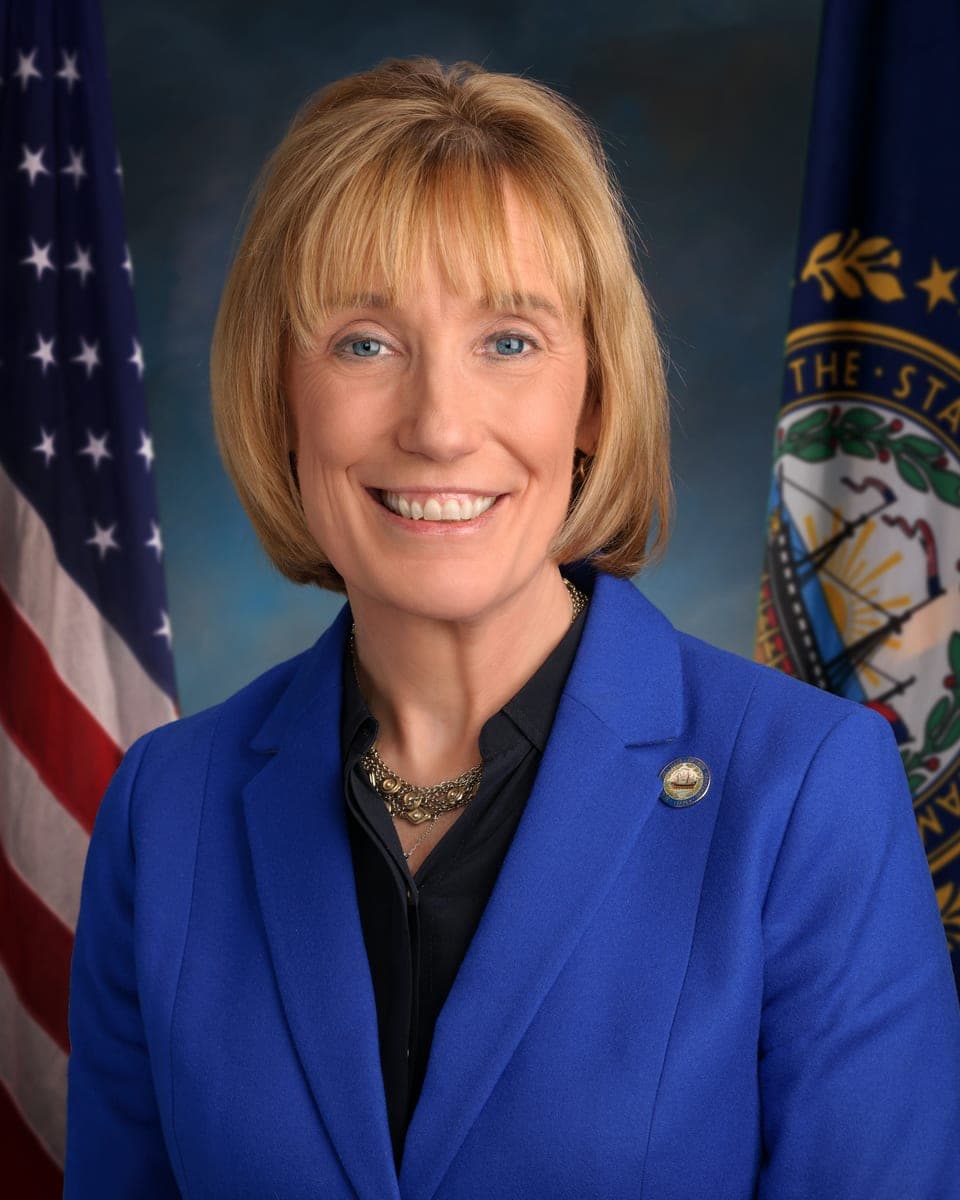
Sen. Hassan’s record: sponsored 59 bills this Congress. 6 passed the Senate; 0 became law.
- Todd YoungR-INORIGINAL
What readers think
Discussion
Get an alert when it changes stage, gets a floor vote in the Senate, or is signed into law.