Bills · S 4016
IN COMMITTEE· 119TH CONGRESS
Senate BillS 4016Taxation
Stop Unemployment Fraud Act
INTRO MAR 5· LAST ACTION MAR 5
READING
12MIN
COSPONSORS
4
READER REACTIONS0 TOTAL
NO VOTES YET · BE THE FIRST
- Introduced only
LEGISLATIVE PROGRESS
STEP 2 / 8Introduced
In Committee
Reported
Passed Senate
Passed House
Conference
To President
Became Law
WHAT THE BILL DOES
AI-writtenVoters should care about this bill because it directly addresses concerns about fraud and misuse of taxpayer money within the unemployment insurance system, particularly relevant after the massive surge in unemployment claims and reported fraud during recent economic downturns. If this bill becomes law, it could significantly reduce fraudulent unemployment payments, potentially saving taxpayer dollars and ensuring that funds are directed to truly eligible individuals. This means less money might be lost to scams and more could be available for those genuinely in need.
However, the bill could also create longer waiting periods for legitimate claimants to receive their first unemployment checks, as state agencies implement and process the more rigorous verification steps. If it doesn't become law, the existing system, which some argue is more vulnerable to fraud due to less stringent upfront verification and data matching, would remain in place. Voters concerned about government efficiency, fiscal responsibility, and the balance between fraud prevention and timely aid delivery will find this bill relevant.
KEY PROVISIONS
4AI-extractedPROVISION 01
Requires states to implement strict identity verification procedures for unemployment compensation claimants, including requiring government-issued IDs and supporting documents.
This aims to ensure that only legitimate individuals receive benefits, directly targeting identity theft and fraudulent claims.
PROVISION 02
Mandates states to use various data-matching systems, such as the National Directory of New Hires and Social Security records for incarcerated or deceased individuals, to cross-check claimant information.
This provision helps states proactively detect fraud by identifying claimants who are employed, deceased, or ineligible due to incarceration.
PROVISION 03
Prohibits states from making unemployment payments until a claimant's identity and all other eligibility requirements have been fully verified, ending the practice of "pay and chase."
This shifts the system from recovering fraudulent payments after they've been made to preventing them from being disbursed in the first place.
PROVISION 04
Directs the Secretary of Labor to create regulations for identity verification procedures, ensuring due process, cybersecurity, and fairness in implementation.
This provides federal guidance to ensure state procedures are effective, secure, and do not unfairly deny benefits based on personal characteristics.
SPONSORSHIP
1 + 4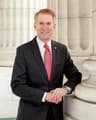
R· Oklahoma
YRS IN OFFICE
15
BILLS LED
78
COSPONSOR BREAKDOWNBIPARTISAN · 0%
DEM 0 REP 4 IND 0
ACTION TIMELINE
2 EVENTSMAR 5
Introduced in Senate
MAR 5
Read twice and referred to the Committee on Finance.
BILL INFO
TypeSenate Bill
NumberS 4016
Congress119th
StatusIn Committee
IntroducedMar 5, 2026
Last actionMar 5, 2026
READER REACTIONS
OVERALL SENTIMENT
No reactions yet. Be the first to weigh in.
Discussion
Loading comments...
IN COMMITTEE· 119TH CONGRESS · FINANCE COMMITTEE · INTRODUCED MAR 5, 2026
Senate BillS 4016Taxation
Stop Unemployment Fraud Act
INTRODUCED MAR 5, 2026· LAST ACTION MAR 5, 2026
PASSAGE CHANCES
—%
READING
12 min
COSPONSORS
4
COMPLEXITY
Moderate