Bills · HR 7847
IN COMMITTEE· 119TH CONGRESS
House BillHR 7847Taxation
Stop Unemployment Fraud Act
INTRO MAR 5· LAST ACTION MAR 5
READING
12MIN
COSPONSORS
17
READER REACTIONS0 TOTAL
NO VOTES YET · BE THE FIRST
- Introduced only
LEGISLATIVE PROGRESS
STEP 2 / 8Introduced
In Committee
Reported
Passed House
Passed Senate
Conference
To President
Became Law
WHAT THE BILL DOES
AI-writtenVoters should care about this bill because it aims to reduce fraud within the unemployment compensation system, which uses taxpayer money. If passed, it means that unemployment benefits would be more tightly controlled, ensuring that funds are distributed only to truly eligible individuals. This could lead to a reduction in waste and a more secure system, potentially saving taxpayer dollars.
However, it also matters because the stricter verification and data-matching requirements could introduce delays in benefit payments for legitimate claimants. In times of high unemployment, waiting longer for critical financial support could have significant real-world impacts on families. The bill changes the current system by mandating upfront verification, moving away from a "pay first, chase later" approach, which could impact both the efficiency of fraud prevention and the timeliness of aid to those in need.
KEY PROVISIONS
4AI-extractedPROVISION 01
Requires states to implement robust identity verification procedures for unemployment claimants, demanding at least one government-issued ID and other supporting documents.
This aims to prevent fraudulent claims by ensuring that applicants are who they say they are before receiving benefits.
PROVISION 02
Mandates that states use data-matching systems, such as the National Directory of New Hires and Social Security Administration records, to detect if claimants are employed, incarcerated, or deceased.
This provision helps identify and stop improper payments by cross-referencing claimant information with other official databases.
PROVISION 03
Prohibits unemployment benefit payments from being made until a claimant's eligibility, including identity verification, is fully confirmed.
This shifts the system to a 'verify first, pay later' model, intended to prevent the 'pay and chase' problem where benefits are recovered after being improperly paid.
PROVISION 04
Directs the Secretary of Labor to create detailed regulations for state identity verification processes, focusing on accuracy, fairness, privacy, and cybersecurity.
These regulations would standardize the verification process across states while aiming to protect claimant rights and data security.
SPONSORSHIP
1 + 17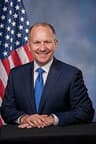
R· Pennsylvania
YRS IN OFFICE
9
BILLS LED
32
COSPONSOR BREAKDOWNBIPARTISAN · 0%
DEM 0 REP 17 IND 0
ACTION TIMELINE
2 EVENTSMAR 5
Introduced in House
MAR 5
Referred to the House Committee on Ways and Means.
BILL INFO
TypeHouse Bill
NumberHR 7847
Congress119th
StatusIn Committee
IntroducedMar 5, 2026
Last actionMar 5, 2026
READER REACTIONS
OVERALL SENTIMENT
No reactions yet. Be the first to weigh in.
Discussion
Loading comments...
IN COMMITTEE· 119TH CONGRESS · WAYS AND MEANS COMMITTEE · INTRODUCED MAR 5, 2026
House BillHR 7847Taxation
Stop Unemployment Fraud Act
INTRODUCED MAR 5, 2026· LAST ACTION MAR 5, 2026
PASSAGE CHANCES
—%
READING
12 min
COSPONSORS
17
COMPLEXITY
Moderate