Bills · S 2806
INTRODUCED· 119TH CONGRESS
Senate BillS 2806AppropriationsBudget process
Eliminate Shutdowns Act
INTRO SEP 15· LAST ACTION SEP 29
READING
8MIN
COSPONSORS
3
READER REACTIONS0 TOTAL
NO VOTES YET · BE THE FIRST
- Introduced only
LEGISLATIVE PROGRESS
STEP 1 / 8Introduced
In Committee
Reported
Passed Senate
Passed House
Conference
To President
Became Law
WHAT THE BILL DOES
AI-writtenThis bill matters because government shutdowns have real-world consequences that impact millions of Americans. When the government shuts down, federal employees are furloughed or forced to work without pay, which creates financial hardship for them and their families. Essential services can be disrupted, ranging from delays in Social Security benefits and tax refunds to closures of national parks and disruptions in scientific research.
If this bill becomes law, it would effectively eliminate most government shutdowns, ensuring a continuous flow of funding for federal operations. This would bring more stability to federal services and the economy, prevent financial strain on federal workers, and reduce political leverage often associated with budget negotiations. If it doesn't become law, the risk of future shutdowns, with their associated disruptions and costs, will remain a recurring concern whenever Congress struggles to pass spending bills on time.
KEY PROVISIONS
5AI-extractedPROVISION 01
Automatically funds federal programs at prior year levels if regular spending bills or temporary funding measures are not enacted.
Prevents government shutdowns by ensuring a continuous flow of funds for ongoing operations.
PROVISION 02
Automatic funding is provided in 14-day increments, extending automatically if a full spending bill is not passed.
Ensures continued operations over extended periods without the need for repeated Congressional action to avoid immediate shutdowns.
PROVISION 03
Prohibits the use of automatic funding to initiate new programs, resume previously prohibited activities, or make initial large distributions that would restrict future funding decisions.
Prevents agencies from using automatic funding to make major policy or spending changes without explicit Congressional approval.
PROVISION 04
Allows agencies, with Office of Management and Budget (OMB) approval, to transfer up to 5% of funds between appropriation accounts for higher priority activities, provided Congress hasn't specifically denied funds for that item.
Provides some flexibility for agencies to manage resources during periods of automatic funding to address critical needs.
PROVISION 05
For entitlements and other mandatory payments, appropriations will be at the rate necessary to maintain program levels under current law.
Ensures that critical benefit programs continue without interruption and at appropriate levels.
SPONSORSHIP
1 + 3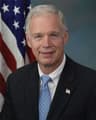
R· Wisconsin
YRS IN OFFICE
15
BILLS LED
22
COSPONSOR BREAKDOWNBIPARTISAN · 0%
DEM 0 REP 3 IND 0
ACTION TIMELINE
7 EVENTSSEP 29
Cloture on the motion to proceed to the measure not invoked in Senate by Yea-Nay Vote. 37 - 61. Record Vote Number: 533. (CR S6824-6825)
SEP 29
Motion by Senator Thune to reconsider the vote by which cloture on the motion to proceed to S. 2806 was not invoked (Record Vote No. 533) made in Senate.
SEP 19
Motion to proceed to consideration of measure made in Senate. (CR S6799)
SEP 19
Cloture motion on the motion to proceed to the measure presented in Senate. (CR S6799)
BILL INFO
TypeSenate Bill
NumberS 2806
Congress119th
StatusIntroduced
IntroducedSep 15, 2025
Last actionSep 29, 2025
READER REACTIONS
OVERALL SENTIMENT
No reactions yet. Be the first to weigh in.
Discussion
Loading comments...
INTRODUCED· 119TH CONGRESS · SENATE · INTRODUCED SEP 15, 2025
Senate BillS 2806AppropriationsBudget process
Eliminate Shutdowns Act
INTRODUCED SEP 15, 2025· LAST ACTION SEP 29, 2025
PASSAGE CHANCES
—%
READING
8 min
COSPONSORS
3
COMPLEXITY
Moderate