Bills · S 2731
IN COMMITTEE· 119TH CONGRESS
Senate BillS 2731Labor and Employment
Empowering Striking Workers Act of 2025
INTRO SEP 8· LAST ACTION SEP 8
READING
2MIN
COSPONSORS
4
READER REACTIONS0 TOTAL
NO VOTES YET · BE THE FIRST
- Introduced only
LEGISLATIVE PROGRESS
STEP 2 / 8Introduced
In Committee
Reported
Passed Senate
Passed House
Conference
To President
Became Law
WHAT THE BILL DOES
AI-writtenThis bill matters because it could significantly shift the balance of power between workers and employers during labor disputes. Currently, the financial hardship of not receiving a paycheck often forces strikes to end quickly, giving employers a strong advantage. By providing unemployment benefits, this bill would give striking workers more financial resilience, allowing them to sustain strikes for longer periods to achieve their demands.
If this bill becomes law, it could lead to more frequent or longer strikes, as the personal financial risk to workers would be reduced. It would offer a vital safety net for families facing income loss during a strike or lockout, addressing a common issue that impacts many American households. If it doesn't pass, the current system of limited financial support for striking workers will continue, often placing significant economic pressure on them during disputes.
KEY PROVISIONS
3AI-extractedPROVISION 01
Amends the Internal Revenue Code to allow individuals engaged in a labor dispute to receive unemployment benefits.
This is the core change that makes striking or locked-out workers eligible for financial support.
PROVISION 02
Specifies that unemployment benefits would start for striking workers 14 days after a strike begins, or sooner if a lockout occurs, permanent replacements are hired, or the dispute ends and the individual is still unemployed.
This sets clear conditions for when financial aid becomes available, providing a timeline for workers.
PROVISION 03
Amends the Social Security Act to exempt striking workers from the requirement to be "available for work" to receive unemployment benefits.
This exemption is crucial because striking workers are not actively seeking alternative employment and would otherwise be ineligible.
SPONSORSHIP
1 + 4
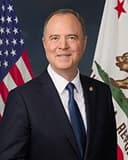
D· California
YRS IN OFFICE
25
BILLS LED
97
COSPONSOR BREAKDOWNBIPARTISAN · 0%
DEM 3 REP 0 IND 1
ACTION TIMELINE
2 EVENTSSEP 8
Introduced in Senate
SEP 8
Read twice and referred to the Committee on Finance.
BILL INFO
TypeSenate Bill
NumberS 2731
Congress119th
StatusIn Committee
IntroducedSep 8, 2025
Last actionSep 8, 2025
READER REACTIONS
OVERALL SENTIMENT
No reactions yet. Be the first to weigh in.
Discussion
Loading comments...
IN COMMITTEE· 119TH CONGRESS · FINANCE COMMITTEE · INTRODUCED SEP 8, 2025
Senate BillS 2731Labor and Employment
Empowering Striking Workers Act of 2025
INTRODUCED SEP 8, 2025· LAST ACTION SEP 8, 2025
PASSAGE CHANCES
—%
READING
2 min
COSPONSORS
4
COMPLEXITY
Moderate