Bills · HR 5206
IN COMMITTEE· 119TH CONGRESS
House BillHR 5206Labor and Employment
Empowering Striking Workers Act of 2025
INTRO SEP 8· LAST ACTION SEP 8
READING
2MIN
COSPONSORS
52
READER REACTIONS0 TOTAL
NO VOTES YET · BE THE FIRST
- Introduced only
LEGISLATIVE PROGRESS
STEP 2 / 8Introduced
In Committee
Reported
Passed House
Passed Senate
Conference
To President
Became Law
WHAT THE BILL DOES
AI-writtenThis bill matters because it would significantly change the dynamics of labor disputes in the United States. Many workers currently face severe financial hardship when striking, as they lose their income and are typically ineligible for unemployment benefits. If this bill becomes law, it would provide a crucial source of income for workers during strikes and lockouts, potentially giving them more leverage in negotiations with employers.
This change could lead to longer strikes, as workers would be better able to withstand the financial pressure of being out of work. It would also shift some of the economic burden of strikes from individual workers to the broader unemployment insurance system, which is funded by employers and, indirectly, taxpayers. If it doesn't become law, the current system will largely continue, where striking workers generally do not receive unemployment benefits, making it financially difficult to sustain long strikes.
KEY PROVISIONS
4AI-extractedPROVISION 01
Allows individuals unable to work due to a labor dispute (such as a strike or lockout) to receive unemployment benefits.
Provides financial support to workers during labor disputes, potentially changing the balance of power in negotiations.
PROVISION 02
Defines "labor dispute" broadly to include controversies over employment terms or union representation, and covers individuals indirectly affected.
Ensures a wide range of workers involved in or impacted by disputes are eligible for benefits.
PROVISION 03
Specifies that unemployment benefits for striking workers can begin 14 days after a strike starts, or immediately if it's a lockout or if permanent replacement workers are hired.
Sets clear eligibility timelines for receiving benefits, providing a predictable safety net.
PROVISION 04
Exempts striking workers receiving these benefits from the usual requirement to be "available for work" and "actively seeking work."
Recognizes that striking workers intend to return to their jobs after the dispute, removing a barrier to eligibility.
SPONSORSHIP
1 + 52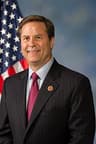
D· New Jersey
YRS IN OFFICE
11
BILLS LED
22
COSPONSOR BREAKDOWNBIPARTISAN · 0%
DEM 52 REP 0 IND 0
ACTION TIMELINE
2 EVENTSSEP 8
Introduced in House
SEP 8
Referred to the House Committee on Ways and Means.
BILL INFO
TypeHouse Bill
NumberHR 5206
Congress119th
StatusIn Committee
IntroducedSep 8, 2025
Last actionSep 8, 2025
READER REACTIONS
OVERALL SENTIMENT
No reactions yet. Be the first to weigh in.
Discussion
Loading comments...
IN COMMITTEE· 119TH CONGRESS · WAYS AND MEANS COMMITTEE · INTRODUCED SEP 8, 2025
House BillHR 5206Labor and Employment
Empowering Striking Workers Act of 2025
INTRODUCED SEP 8, 2025· LAST ACTION SEP 8, 2025
PASSAGE CHANCES
—%
READING
2 min
COSPONSORS
52
COMPLEXITY
Moderate