Bills · S 1771
IN COMMITTEE· 119TH CONGRESS
Senate BillS 1771Crime and Law Enforcement
Larry Henderson Act
INTRO MAY 14· LAST ACTION MAY 14
READING
2MIN
COSPONSORS
0
READER REACTIONS0 TOTAL
NO VOTES YET · BE THE FIRST
- Introduced only
LEGISLATIVE PROGRESS
STEP 2 / 8Introduced
In Committee
Reported
Passed Senate
Passed House
Conference
To President
Became Law
WHAT THE BILL DOES
AI-writtenThis bill matters because it significantly alters the justice system's approach to assaults on federal personnel by implementing a very long mandatory minimum prison sentence and eliminating judicial discretion. For voters, this means that judges would no longer be able to consider the specific circumstances of a case or an individual's background when sentencing someone for assaulting a federal employee; a 20-year prison term would be the absolute minimum, even for less severe injuries. This could lead to longer prison sentences and potentially increased federal prison populations.
The bill also centralizes the legal authority for these cases at the federal level, overriding state laws. This could be seen as strengthening federal authority and ensuring uniform punishment across the country, but it also raises questions about federal overreach into areas previously shared with state legal systems. Ultimately, it represents a substantial shift in policy aimed at protecting federal workers, but with potential consequences for sentencing fairness and state sovereignty.
KEY PROVISIONS
3AI-extractedPROVISION 01
Establishes a mandatory minimum prison sentence of not less than 20 years for anyone who causes bodily harm or injury to a federal officer or employee.
This provision significantly increases the penalty for these specific assaults and removes a judge's ability to impose a shorter sentence.
PROVISION 02
States that these federal penalties apply exclusively to acts of assault, resistance, or impediment against federal officers or employees performing official duties.
This clarifies that federal law is the sole governing statute for such offenses, preventing confusion with other laws.
PROVISION 03
Declares that this federal law supersedes (overrides) any and all state laws related to assaulting federal officers or employees.
This ensures uniformity in prosecution under federal law and prevents state laws from impacting how these cases are handled.
SPONSORSHIP
1 + 0
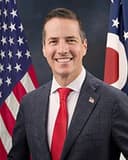
R· Ohio
YRS IN OFFICE
1
BILLS LED
29
ACTION TIMELINE
2 EVENTSMAY 14
Introduced in Senate
MAY 14
Read twice and referred to the Committee on the Judiciary.
BILL INFO
TypeSenate Bill
NumberS 1771
Congress119th
StatusIn Committee
IntroducedMay 14, 2025
Last actionMay 14, 2025
READER REACTIONS
OVERALL SENTIMENT
No reactions yet. Be the first to weigh in.
Discussion
Loading comments...
IN COMMITTEE· 119TH CONGRESS · JUDICIARY COMMITTEE · INTRODUCED MAY 14, 2025
Senate BillS 1771Crime and Law Enforcement
Larry Henderson Act
INTRODUCED MAY 14, 2025· LAST ACTION MAY 14, 2025
PASSAGE CHANCES
—%
READING
2 min
COSPONSORS
0
COMPLEXITY
Moderate