Expressing concern about the growing problem of book banning and the proliferation of threats to freedom of expression in the United States.
Expresses concern about book bans, urges local officials to protect access to books, and calls for reversing federal content restrictions.
In two House committees since Oct. 1, 2026, 7 days after it was introduced. Most bills never leave committee.
- INTRODUCEDINTROOCT 1, 2026
- COMMITTEECOMM.IN COMMITTEE
- AGREED TOAGREED—
What the bill would do, and why it matters
Book challenges can affect which books students and library users can access. The resolution would express concern about book bans, urge local officials to protect access to a wide range of books, and call for reversing federal content restrictions in public schools. It would state the House’s position rather than directly change school or library rules.
- NON-BINDING A simple resolution carries no force of law. It expresses the chamber's opinion or sets internal rules — it does not bind agencies, the President, or anyone outside Congress.
- DATA NOTE No Congressional Research Service summary was available.
- Condemns book bans and censorship
The resolution would express concern about book bans and threats to freedom of expression, and reaffirm support for writers’ freedom of expression and people’s freedom to read without government censorship.
- Urges local officials to protect access
It would call on local governments and school districts to use best-practice guidelines when reviewing book challenges and to protect students’ access to a wide range of books and perspectives.
- Calls to reverse federal restrictions
It would call for repealing executive orders and rescinding directives that impose content-based restrictions on reading and learning in public schools.
The resolution cites book bans as a threat to freedom of expression and to students’ access to different stories and perspectives. It says bans can also create a punitive environment for educators and librarians and affect authors, families, and public library users.
It cites more than 12,000 instances of individual books banned between July 2025 and June 2026, and says restrictions may be undercounted. The practical stakes are which books remain available in schools and libraries and how officials handle challenges to them.
Written from the bill text.
The path it took, step by step
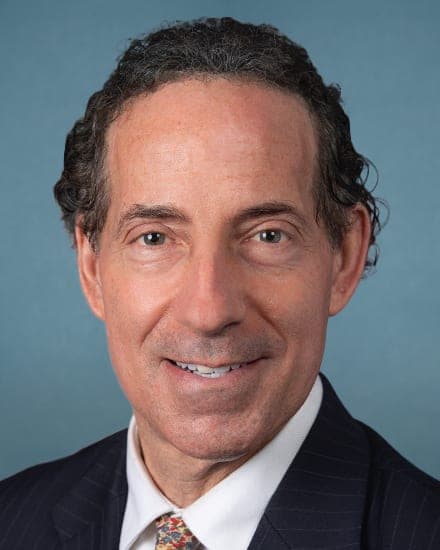
- IntroducedOCT 1, 2026HOUSEOCT 1, 2026By Rep. Raskin with 66 original cosponsorsReferred to Education and Workforce and Judiciary
- SAME DAYNOWCommitteeOCT 1, 2026EDUCATION & WORKFORCE · JUDICIARY NOWOCT 1, 2026In committee for 7 daysNo hearing yet
- 7 DAYS SO FARAgreed to in the House—HOUSE FLOOR—Not scheduled
- OCT 12026OCT 1, 2026REFERREDReferred to the Committee on the Judiciary, and in addition to the Committee on Education and Workforce, for a period to be subsequently determined by the Speaker, in each case for consideration of such provisions as fall within the jurisdiction of the committee concerned.
- OCT 12026OCT 1, 2026INTRODUCEDHOUSESubmitted in House
Where your members stand on it
A coalition from 28 states
Plus the sponsor, a Democrat. Every cosponsor is from one party.
Plus the sponsor, a Democrat. Every cosponsor is from one party.
Rep. Raskin’s record: sponsored 39 bills this Congress. 2 passed the House; 0 became law.
- Joyce BeattyD-OH-3ORIGINAL
- Suzanne BonamiciD-OR-1ORIGINAL
- Shontel M. BrownD-OH-11ORIGINAL
- Julia BrownleyD-CA-26ORIGINAL
- André CarsonD-IN-7ORIGINAL
- Joaquin CastroD-TX-20ORIGINAL
- Judy ChuD-CA-28ORIGINAL
- Yvette D. ClarkeD-NY-9ORIGINAL
- Emanuel CleaverD-MO-5ORIGINAL
- Jim CostaD-CA-21ORIGINAL
- Jasmine CrockettD-TX-30ORIGINAL
- Danny K. DavisD-IL-7ORIGINAL
What readers think
Discussion
Get an alert when it gets a floor vote in the House or is agreed to.