Bills · HR 486
IN COMMITTEE· 119TH CONGRESS
House BillHR 486Finance and Financial Sector
Young Americans Financial Literacy Act
INTRO JAN 16· LAST ACTION JAN 16
READING
8MIN
COSPONSORS
50
READER REACTIONS0 TOTAL
NO VOTES YET · BE THE FIRST
- Introduced only
LEGISLATIVE PROGRESS
STEP 2 / 8Introduced
In Committee
Reported
Passed House
Passed Senate
Conference
To President
Became Law
WHAT THE BILL DOES
AI-writtenVoters should care about this bill because it addresses a widespread concern that many Americans, especially young people, lack essential financial knowledge. The bill's findings highlight that most Americans believe financial education is crucial but isn't widely taught in schools, leading to adults feeling ill-equipped to manage their finances. If this bill becomes law, it could lead to more robust, research-backed financial education programs becoming available, helping young people make smarter financial decisions from an early age. This could result in lower student loan default rates, better personal financial stability, and potentially a stronger economy as individuals are better prepared for financial challenges, including unexpected economic downturns like the one caused by COVID-19. If it doesn't become law, the current gaps in financial education are likely to persist, potentially contributing to ongoing financial struggles for many young adults.
KEY PROVISIONS
5AI-extractedPROVISION 01
Establishes a grant program within the Bureau of Consumer Financial Protection to fund centers that develop financial literacy programs.
This creates a dedicated federal initiative to support and expand financial education resources nationwide.
PROVISION 02
Funds activities to create and implement comprehensive, research-based financial literacy programs for young people and families ages 8 through 24.
This directly targets a crucial age group for financial education, ensuring programs are based on proven methods.
PROVISION 03
Supports the design of instructional materials for young families to address financial pitfalls like bankruptcy, foreclosure, and predatory lending.
This helps equip families with tools to navigate complex financial challenges and avoid damaging situations.
PROVISION 04
Develops programs aimed at reducing student loan default rates by helping college students manage educational debt.
This directly addresses a significant financial burden for many young adults, potentially improving their long-term financial health.
PROVISION 05
Funds professional development programs for educators in financial literacy to ensure high-quality instruction.
This ensures that those teaching financial literacy are well-trained and competent, leading to more effective education.
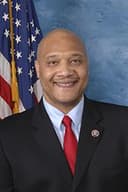
SPONSORSHIP
1 + 50
D· Indiana
YRS IN OFFICE
18
BILLS LED
16
COSPONSOR BREAKDOWNBIPARTISAN · 0%
DEM 50 REP 0 IND 0
ACTION TIMELINE
3 EVENTSJAN 16
Sponsor introductory remarks on measure. (CR E40)
JAN 16
Introduced in House
JAN 16
Referred to the Committee on Financial Services, and in addition to the Committee on Education and Workforce, for a period to be subsequently determined by the Speaker, in each case for consideration of such provisions as fall within the jurisdiction of the committee concerned.
BILL INFO
TypeHouse Bill
NumberHR 486
Congress119th
StatusIn Committee
IntroducedJan 16, 2025
Last actionJan 16, 2025
READER REACTIONS
OVERALL SENTIMENT
No reactions yet. Be the first to weigh in.
Discussion
Loading comments...
IN COMMITTEE· 119TH CONGRESS · FINANCIAL SERVICES COMMITTEE · INTRODUCED JAN 16, 2025
House BillHR 486Finance and Financial Sector
Young Americans Financial Literacy Act
INTRODUCED JAN 16, 2025· LAST ACTION JAN 16, 2025
PASSAGE CHANCES
—%
READING
8 min
COSPONSORS
50
COMPLEXITY
Moderate