America Votes Act of 2026
Lets voters meet federal-election identification requirements with a sworn statement instead of presenting identification.
In the House Administration Committee since Oct. 1, 2026, 7 days after it was introduced. Most bills never leave committee.
- INTRODUCEDINTROOCT 1, 2026
- COMMITTEECOMM.IN COMMITTEE
- HOUSEHOUSE—
- SENATESENATE—
- LAWLAW—
What the bill would do, and why it matters
States can require voters to show identification to cast a ballot in federal elections. The bill would require states with that rule to accept a sworn statement about a voter's identity and registration instead. Voters could use the statement in person or send it with a mail ballot, with an exception for certain first-time voters registering by mail.
- INTRODUCED ONLY This bill has been introduced and possibly referred to a committee, but it has not passed any vote. Most introduced bills never become law — they die in committee without a hearing.
- DATA NOTE No Congressional Research Service summary was available.
- Allow sworn statements to meet ID requirements
For federal elections, a state that requires identification to receive and cast a ballot would have to accept a signed statement under penalty of perjury affirming the voter’s identity and registration. Voters could provide it in person or submit it with a mail ballot; the exception is for certain first-time voters registering by mail who must meet separate requirements under the Help America Vote Act.
- Provide preprinted statement forms
States with an identification requirement would have to make preprinted forms available at polling places and include a form with each blank absentee or other ballot sent to a voter by mail.
- Allow a regular ballot
A state could not require a voter who provides the sworn statement to cast a provisional ballot instead of a regular ballot.
- Post information at polling places
States with an identification requirement would have to post information at polling places explaining how voters can use the sworn statement to meet it.
The bill would change how voters can satisfy state identification rules in federal elections. It would give covered voters another way to cast a regular ballot while requiring them to make a sworn statement under penalty of perjury.
Written from the bill text.
The path it took, step by step
- IntroducedOCT 1, 2026HOUSEOCT 1, 2026By Rep. Larsen with 7 original cosponsorsReferred to Administration
- SAME DAYNOWHouse committeeOCT 1, 2026ADMINISTRATION NOWOCT 1, 2026In committee for 7 daysNo hearing yet
- 7 DAYS SO FARPassed the House—HOUSE FLOOR—Not scheduled
- Senate committee—SENATE—
- Passed the Senate—SENATE FLOOR—Not scheduled
- Resolve differencesONLY IF NEEDEDBOTH CHAMBERSONLY IF NEEDEDSkipped if the other chamber passes the same text
- Signed into law—PRESIDENT—10 days to sign or veto
- OCT 12026OCT 1, 2026REFERREDHOUSEReferred to the House Committee on House Administration.
- OCT 12026OCT 1, 2026INTRODUCEDHOUSEIntroduced in House
At day 7, this bill is already older than 3% of the laws passed this Congress were when they were signed.
Where your members stand on it
A coalition from 6 states
Plus the sponsor, a Democrat. Every cosponsor is from one party.
Plus the sponsor, a Democrat. Every cosponsor is from one party.
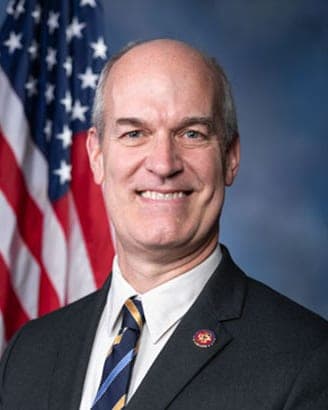
Rep. Larsen’s record: sponsored 13 bills this Congress. 1 passed the House; 0 became law.
- Nanette Diaz BarragánD-CA-44ORIGINAL
- Julia BrownleyD-CA-26ORIGINAL
- André CarsonD-IN-7ORIGINAL
- Hank JohnsonD-GA-4ORIGINAL
- Betty McCollumD-MN-4ORIGINAL
- Eleanor Holmes NortonD-DC-ALORIGINAL
- Jan SchakowskyD-IL-9ORIGINAL
What readers think
Discussion
Get an alert when it changes stage, gets a floor vote in the House, or is signed into law.