Energy Cost Fairness and Reliability Act of 2026
Sets federal connection rules for large electricity users and directs research on data centers’ energy use and effects on the grid.
In two House committees since Sept. 24, 2026, 11 days after it was introduced. Most bills never leave committee.
- INTRODUCEDINTROSEP 24, 2026
- COMMITTEECOMM.IN COMMITTEE
- HOUSEHOUSE—
- SENATESENATE—
- LAWLAW—
What the bill would do, and why it matters
Connecting large electricity users to the grid can affect grid operations and the costs of building and maintaining transmission. The bill would create federal procedures for connecting large loads, require customers to meet reliability and flexibility conditions, and assign them certain study and upgrade costs. It would also direct research and data collection on data centers and artificial intelligence.
- INTRODUCED ONLY This bill has been introduced and possibly referred to a committee, but it has not passed any vote. Most introduced bills never become law — they die in committee without a hearing.
- DATA NOTE No Congressional Research Service summary was available.
- Set conditions for large-load connections
The Federal Energy Regulatory Commission (FERC) would create standard procedures and a queue for connecting large electricity users to the interstate transmission system. To qualify, a customer would need to pay for its interconnection studies, be able to reduce or shift its electricity use when requested, agree to do so, and arrange new power supply that matches the facility’s needs.
- Make large loads pay assigned upgrade costs
A large-load customer would pay all network-upgrade costs assigned to it through interconnection studies, with no refunds or credits against future bills. The bill would also require charges for certain transmission services for connected facilities, and FERC would review cost-allocation methods to guard against shifting costs to other customers.
- Protect reliability and prioritize some projects
A large facility could not connect until its transmission provider finds that the connection would meet applicable reliability standards. Queue requests could receive priority for projects with battery backup, specified construction wages and apprenticeship practices, or labor peace agreements; certain existing power plants also could not divert capacity to a large load if doing so would harm service to other customers.
- Screen requests and improve queue management
Transmission providers would require study deposits, milestone payments, and withdrawal penalties intended to discourage speculative requests and reduce delays. FERC would also begin a rulemaking on using tools such as artificial intelligence and automation to process generator interconnection requests, and would require evidence of a real commercial or operational commitment before including a large facility in at least one category of load forecast.
- Study data centers and test AI systems
The Energy Department could require data-center owners or operators to provide information on energy use, water use, and operational flexibility, while protecting confidential business information. The Department would establish an artificial-intelligence testbed at a National Laboratory and report on data-center growth, grid effects, and possible policy and technology responses.
The bill cites growing electricity demand from data centers, electrification, domestic manufacturing, and other economic changes as challenges for grid reliability and resource adequacy. It also says that network upgrades and new energy infrastructure to serve large loads have contributed to higher electricity prices in some regions, and that further load growth could raise rates for other customers.
The bill’s approach would link large-load connections to reliability checks and cost assignments, while directing research into data-center energy use and grid effects. It preserves state authority over retail electricity rates and service terms.
Written from the bill text.
The path it took, step by step
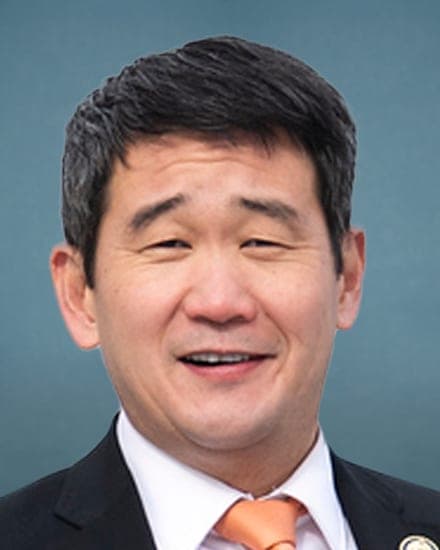
- IntroducedSEP 24, 2026HOUSESEP 24, 2026By Rep. Min with 1 original cosponsorReferred to Energy and Commerce and Science, Space, and Technology
- SAME DAYNOWHouse committeesSEP 24, 2026ENERGY & COMMERCE · SCIENCE, SPACE, & TECHNOLOGY NOWSEP 24, 2026In committee for 11 daysNo hearing yet
- 11 DAYS SO FARPassed the House—HOUSE FLOOR—Not scheduled
- Senate committee—SENATE—
- Passed the Senate—SENATE FLOOR—Not scheduled
- Resolve differencesONLY IF NEEDEDBOTH CHAMBERSONLY IF NEEDEDSkipped if the other chamber passes the same text
- Signed into law—PRESIDENT—10 days to sign or veto
- SEP 242026SEP 24, 2026REFERREDReferred to the Committee on Energy and Commerce, and in addition to the Committee on Science, Space, and Technology, for a period to be subsequently determined by the Speaker, in each case for consideration of such provisions as fall within the jurisdiction of the committee concerned.
- SEP 242026SEP 24, 2026INTRODUCEDHOUSEIntroduced in House
At day 11, this bill is already older than 3% of the laws passed this Congress were when they were signed.
In committee · Energy and Natural Resources · 1 cosponsor · introduced by Adam B. Schiff.
S. 4559 is the same bill introduced in the Senate. Companion bills let both chambers work on one idea at once; when one passes, the other chamber often takes up the version that already passed.
OPEN S. 4559 →Where your members stand on it
Support from one state
Plus the sponsor, a Democrat. Every cosponsor is from one party.
Plus the sponsor, a Democrat. Every cosponsor is from one party.
Rep. Min’s record: sponsored 31 bills this Congress. 1 passed the House; 0 became law.
- Daniel S. GoldmanD-NY-10ORIGINAL
What readers think
Discussion
Get an alert when it changes stage, gets a floor vote in the House, or is signed into law.