Protection of Social Security Benefits Restoration Act
Repeals specified federal debt-collection offsets and extends Social Security’s protection to railroad retirement and unemployment benefits.
In two House committees since Sept. 24, 2026, 14 days after it was introduced. Most bills never leave committee.
- INTRODUCEDINTROSEP 24, 2026
- COMMITTEECOMM.IN COMMITTEE
- HOUSEHOUSE—
- SENATESENATE—
- LAWLAW—
What the bill would do, and why it matters
Federal agencies can collect some debts by reducing certain federal payments. The bill would repeal specified authority for those offsets and extend Social Security’s protection to railroad retirement and railroad unemployment benefits. The changes would apply to offsets made after enactment, including for older debts.
- INTRODUCED ONLY This bill has been introduced and possibly referred to a committee, but it has not passed any vote. Most introduced bills never become law — they die in committee without a hearing.
- DATA NOTE No Congressional Research Service summary was available.
- Remove specified federal offset authority
The bill would repeal specified authority in federal law to collect debts by taking money from federal payments through administrative offset.
- Protect Social Security and railroad benefits
It would apply the Social Security Act protection to railroad retirement and railroad unemployment benefits as well as Social Security benefits.
- Apply the change to future offsets
The changes would cover administrative offsets made on or after enactment, whether the debt arose before, on, or after enactment.
Administrative offset lets the federal government collect debts by reducing certain payments. The bill would change the balance between protecting recipients’ benefits and keeping this method available for debt collection.
Written from the bill text.
The path it took, step by step
- IntroducedSEP 24, 2026HOUSESEP 24, 2026By Rep. Grijalva with 15 original cosponsorsReferred to Judiciary and Ways and Means
- SAME DAYNOWHouse committeesSEP 24, 2026JUDICIARY · WAYS & MEANS NOWSEP 24, 2026In committee for 14 daysNo hearing yet
- 14 DAYS SO FARPassed the House—HOUSE FLOOR—Not scheduled
- Senate committee—SENATE—
- Passed the Senate—SENATE FLOOR—Not scheduled
- Resolve differencesONLY IF NEEDEDBOTH CHAMBERSONLY IF NEEDEDSkipped if the other chamber passes the same text
- Signed into law—PRESIDENT—10 days to sign or veto
- SEP 242026SEP 24, 2026REFERREDReferred to the Committee on the Judiciary, and in addition to the Committee on Ways and Means, for a period to be subsequently determined by the Speaker, in each case for consideration of such provisions as fall within the jurisdiction of the committee concerned.
- SEP 242026SEP 24, 2026INTRODUCEDHOUSEIntroduced in House
At day 14, this bill is already older than 3% of the laws passed this Congress were when they were signed.
Where your members stand on it
A coalition from 14 states
Plus the sponsor, a Democrat. Every cosponsor is from one party.
Plus the sponsor, a Democrat. Every cosponsor is from one party.
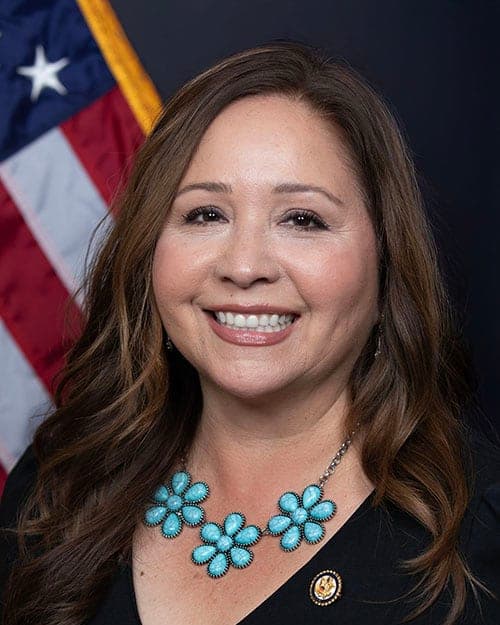
Rep. Grijalva’s record: sponsored 17 bills this Congress. 0 passed the House; 0 became law.
- Yassamin AnsariD-AZ-3ORIGINAL
- André CarsonD-IN-7ORIGINAL
- Judy ChuD-CA-28ORIGINAL
- Jim CostaD-CA-21ORIGINAL
- Sylvia R. GarciaD-TX-29ORIGINAL
- Steven HorsfordD-NV-4ORIGINAL
- Val T. HoyleD-OR-4ORIGINAL
- Jonathan L. JacksonD-IL-1ORIGINAL
- Pramila JayapalD-WA-7ORIGINAL
- Marcy KapturD-OH-9ORIGINAL
- John B. LarsonD-CT-1ORIGINAL
- Stephen F. LynchD-MA-8ORIGINAL
What readers think
Discussion
Get an alert when it changes stage, gets a floor vote in the House, or is signed into law.