Michigan's Energy Abundance Is On The Ballot
The article presents Barrett as a supporter of expanded energy production and a critic of Michigan’s clean-energy mandates.

SOURCE CHECK
TAP FOR WHYCredibility rates ZeroHedge, where this article appeared. The other scores rate the article itself.
ZeroHedge is rated 34 by the site's past-story assessment and is classified as a blog; this page also republishes material attributed to RealClearEnergy. The author is named, but the article is advocacy-oriented rather than independently reported news.
- Track record — The site's rating is 34, based on 26 stories.
- Source type — Classified as a blog, a weaker prior for institutional reporting standards.
- Author attribution — Names Samantha Fillmore and identifies her organizational position.
- Editorial standards — The page presents a one-sided advocacy argument rather than a reported account with competing sources.
The article identifies its author and refers to statements and social media posts, but offers little independent evidence for its claims about energy costs or policy effects and does not present Lawrence’s perspective or opposing analysis. Its advocacy framing limits its value as journalism.
HOW WE SCORE ↗The article advocates for one side of the energy-policy debate, praises Barrett, and criticizes Lawrence without presenting their opponents’ reasoning or an independent assessment of the policy claims.
- Counterarguments presented — No substantive counterarguments are included.
- Loaded language — The article uses strong evaluative terms to characterize the policies and Lawrence’s motives.
- Source diversity — The argument principally draws on Barrett’s statements and the author’s own assertions.
- Opinion vs reporting — The piece is written to persuade rather than to present a neutral report.
The piece strongly favors Barrett’s energy positions and condemns Lawrence’s, using advocacy language and presenting no countervailing arguments. Its framing is strongly right-leaning.
- Language tone — Uses evaluative language such as calling the opposing policies 'extreme' and ideologically driven.
- Framing — Frames the race as a choice between energy abundance and costly, unreliable policy.
- Source selection — Relies on Barrett’s statements and the author’s advocacy perspective, without Lawrence’s response.
- Omission — Does not include arguments supporting clean-energy mandates or climate policy.
Original publisher not identified
This article credits another publisher, which ChamberLight has not identified, so the scores are ZeroHedge's own.
An advocacy article contrasts Rep. Tom Barrett’s support for expanded energy production with Michigan 7th District candidate William Lawrence’s climate and fossil-fuel positions. It argues that energy policy should be a central issue for voters in the race.
The article describes the Michigan 7th District race between incumbent Tom Barrett and William Lawrence as a choice between competing energy policies. It praises Barrett’s support for market choice, faster permitting for U.S. LNG exports, and opposition to Michigan Democrats’ clean-energy mandates, while attributing criticism of those mandates and energy costs to Barrett’s social media posts.
The article characterizes Lawrence’s climate positions negatively, citing his stated support for climate investment and his association with the Sunrise Movement. It argues that Lawrence’s approach could undermine affordable, reliable energy. The article is authored by Samantha Fillmore, identified as a Heartland Impact official, and was published via RealClearEnergy.
Community verdict
2 VOTES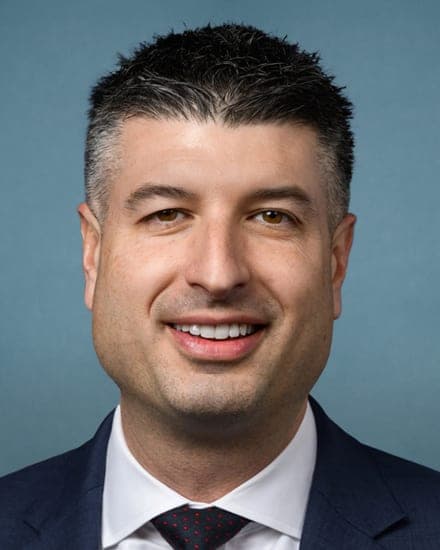
People in this story
SWIPE →Incumbent in the Michigan 7th District race whose energy-policy record the article praises.

Democratic candidate in the Michigan 7th District race whose climate and energy positions the article criticizes.
Lawrence's version of this story ↗Discussion · 0
Loading comments…