Why Mike Johnson is losing control of the House
The article examines how lawmakers’ use of discharge petitions has challenged Johnson’s control of the House agenda.

SOURCE CHECK
TAP FOR WHYCredibility rates Yahoo News, which republished this story. The other scores rate the article itself.
Yahoo News is an established national news publisher, though this page provides limited information about its corrections practices or the editorial process behind the article. The named byline and extensive interviews support a credible institutional assessment.
- Source type — An established national news publisher.
- Author attribution — Three reporters are named.
- Transparency — The page identifies the authors, but provides little detail here about editorial oversight.
- Editorial standards — The reporting attributes statements to lawmakers and experts and includes competing views.
The article uses interviews with lawmakers and congressional scholars, describes the procedure and its recent use, and includes arguments both for and against discharge petitions. It offers substantial context, though it does not directly quote Johnson on the disputes described.
HOW WE SCORE ↗The story presents both the case for discharge petitions as an outlet for the House majority’s will and Republican leaders’ argument that they bypass regular committee processes. Johnson’s own perspective is less directly represented than those of other lawmakers.
- Counterarguments presented — Republican leaders’ objections and Johnson’s stated concern about protecting Epstein victims are included alongside supporters’ arguments.
- Source diversity — Quotes lawmakers from both parties and two congressional scholars.
- Omitted context — Johnson is discussed extensively but does not speak directly in the article.
- Loaded language — The headline says Johnson is losing control, but the body generally attributes judgments and uses restrained narration.
The article explains the rise of discharge petitions using attributed statements from members on both sides and congressional observers. Its framing is explanatory rather than clearly partisan.
- Language tone — Mostly descriptive language, with colorful quoted phrases attributed to interviewees.
- Source selection — Includes lawmakers supporting the tactic, Republican leaders critical of it, and outside experts.
- Framing — Explains competing institutional and political reasons for the tactic’s growth.
Republished
Republished from Politico. The relationship between the two publishers has not been determined.
229 stories · 80–81 · updated Oct 13, 2026
This is Politico's own score, and this article is credited to Politico. The host score in the Source Check is Yahoo News's.
House members have increasingly used discharge petitions to force votes that Speaker Mike Johnson did not schedule, including on a bill seeking the release of information about Jeffrey Epstein. The article links the tactic’s rise to the narrow Republican majority and lawmakers’ frustration with House leadership.
The article reports that lawmakers have successfully used discharge petitions five times since Johnson became speaker, more than in the preceding 30 years combined. The latest effort advanced a bill requiring the Trump administration to release information about Jeffrey Epstein; the House vote was 427-1. Members have also sought action on other measures, including a bill to nullify an executive order affecting federal workers’ collective bargaining rights.
The report attributes the tactic’s growth to the GOP’s slim majority, Democratic planning, and some Republicans’ view that Johnson is limiting the House’s ability to act. Johnson’s allies argue discharge petitions bypass committee procedures and weaken the majority party. Lawmakers and congressional scholars describe the procedure as both a way to overcome gridlock and a source of pressure on House leadership.
Community verdict
VOTING CLOSED
No good or bad look here
This story reports what happened without casting Johnson in a good or bad light, so readers don’t rate it and it doesn’t count toward Johnson’s record.
People in this story
SWIPE →Speaker of the House whose leadership is challenged by the increasing use of discharge petitions.
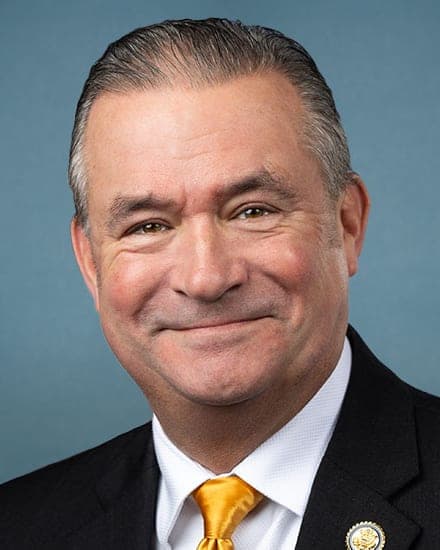
Representative who has signed discharge petitions, including one concerning Russia and Ukraine.
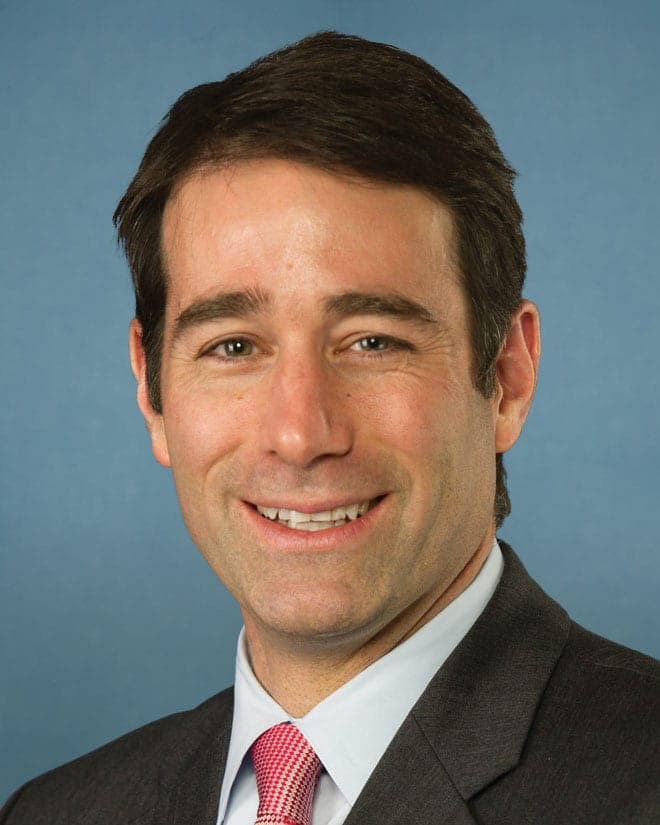
Former representative who used a discharge petition for a Social Security measure.

President whose administration was the subject of the Epstein information bill and whose influence is discussed in relation to Johnson.

Representative who sponsored a measure to nullify Trump’s executive order affecting federal workers’ collective bargaining rights.

Former president who signed Steube’s disaster-relief tax measure.

Representative who led the discharge effort on the Epstein bill.

Top Democrat on the House Rules Committee who coordinated procedural filings for discharge petitions.

House Majority Leader who argues that discharge petitions bypass the committee process.
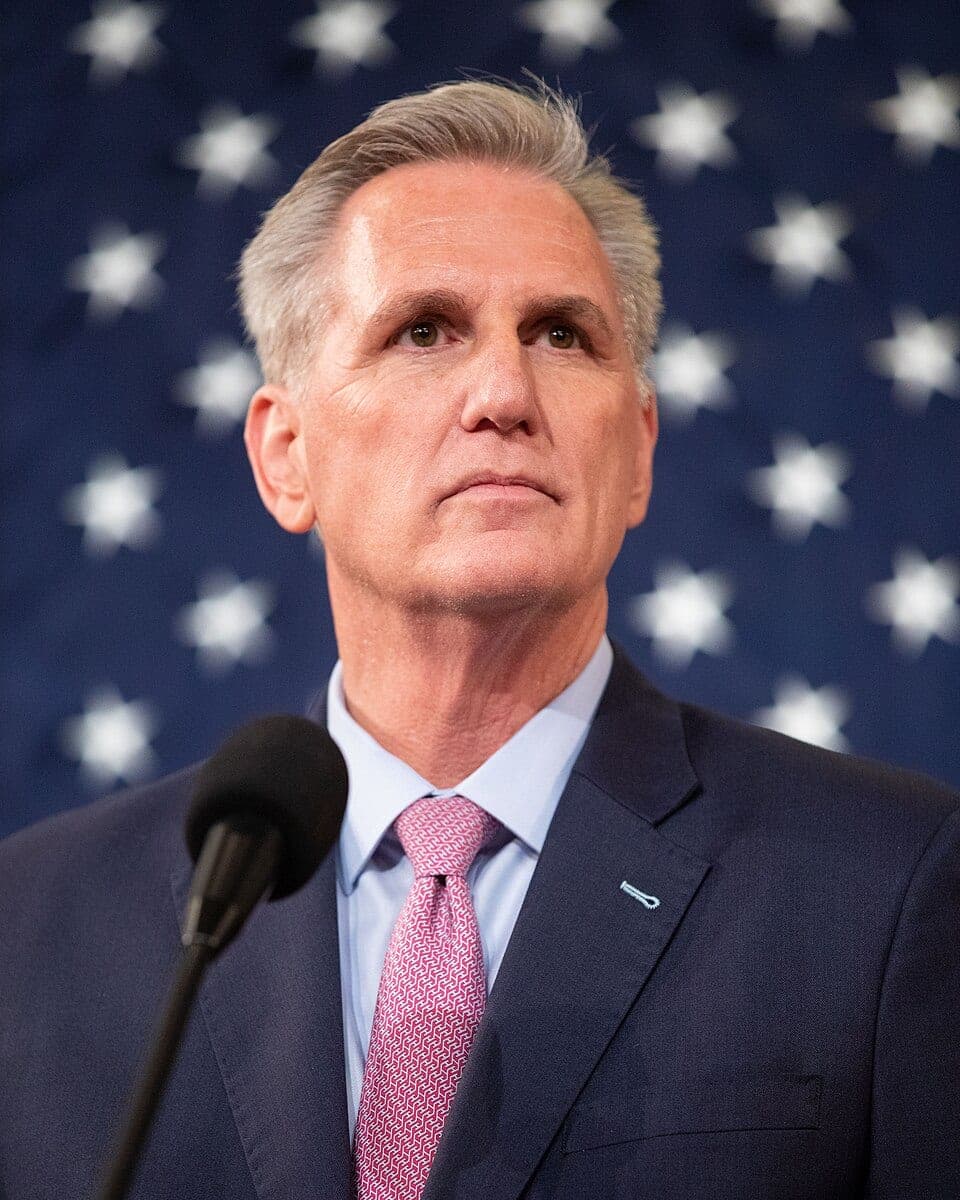
Former Speaker whose ouster is cited as context for pressure from House Republican factions.

Representative who joined Massie in seeking to force a vote on the Epstein bill.

Representative who engineered a discharge effort concerning accommodations for House members with newborn babies.
Discussion · 0
Loading comments…