The GOP's ugly response to Abdul El-Sayed
Republican officials attacked El-Sayed after his Senate nomination, while he defended campaigning with Hasan Piker.
SOURCE CHECK
TAP FOR WHYCredibility rates Yahoo News, which republished this story. The other scores rate the article itself.
The reporting is attributed to CNN analyst Aaron Blake, an established national outlet, and appears on Yahoo News as CNN work. The piece is explicitly analysis rather than straight news reporting, which is relevant to its interpretation but does not undermine the publisher’s institutional credibility.
- Track record — CNN is an established national news organization with a substantial record of original political reporting.
- Author attribution — The page identifies Aaron Blake and CNN, making the reporting source clear.
- Source type — National news is a strong prior, although this particular piece is analysis.
- Editorial standards — The article attributes claims and includes named sources and polling, though no corrections practice is established by this text.
The analysis names the officials whose claims it examines, distinguishes reported assertions from unsupported claims, and includes polling and some countervailing context about El-Sayed’s campaign with Piker and views on Israel. It is interpretive and gives little space to responses from the Republican officials criticized.
HOW WE SCORE ↗The article documents Republican statements and includes their claims, but the analysis overwhelmingly argues that the campaign is Islamophobic and does not provide substantive responses from the officials criticized. It does acknowledge concerns about El-Sayed’s association with Piker and the possible effect of his views on Israel.
- Loaded language — The analysis uses emphatic critical labels for Republican conduct.
- Source diversity — Several politicians' statements are quoted, but no substantial rebuttal from the criticized Republicans appears.
- Counterarguments presented — The piece notes concerns about El-Sayed's campaign with Piker and the possibility that his views on Israel could alienate voters.
- Omitted context — The article gives limited detail about the officials' explanations or responses to its characterization of their conduct.
The piece uses a clearly critical frame toward Republicans, describing their tactics as Islamophobic and xenophobic, while presenting the conduct as part of a broader political trend. Its language and selection of examples lean left, though it also notes concerns about El-Sayed’s campaign choice and possible electoral effects.
- Language tone — Terms such as “ugly politics” and “Islamophobic campaign” express a strongly critical frame.
- Framing — The story presents the Republican comments as evidence of a wider embrace of prejudice.
- Source selection — It centers Republican statements and contextualizes them with criticism of those statements, while including limited countervailing considerations.
Republished with credit
Republished from CNN, with credit to the original publisher.
31 stories · 84–86 · updated Oct 1, 2026
This is CNN's own score, and this article is credited to CNN. The host score in the Source Check is Yahoo News's.
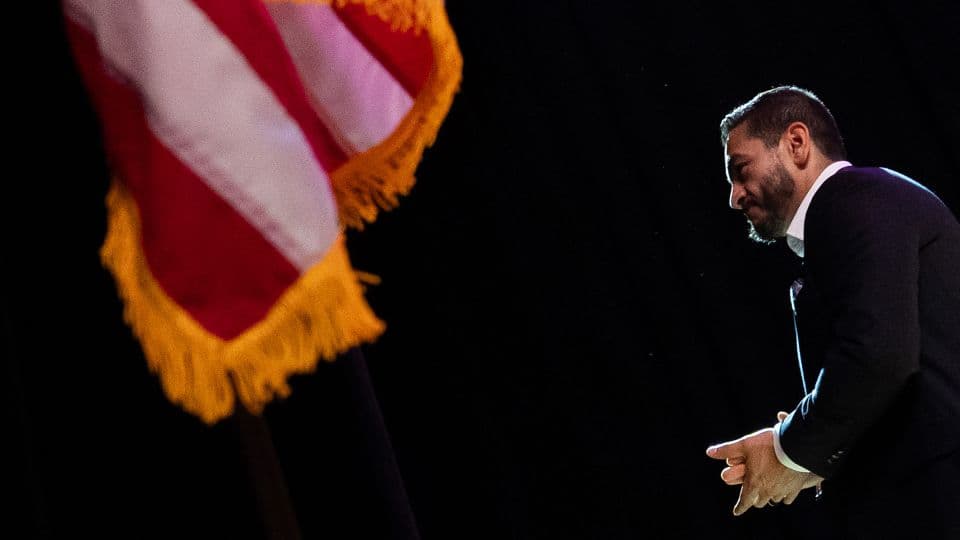
CNN analyst Aaron Blake argues that Republican officials’ attacks on Abdul El-Sayed after his Michigan Senate nomination invoked his name and Muslim faith, while noting concerns about El-Sayed’s campaign with Hasan Piker.
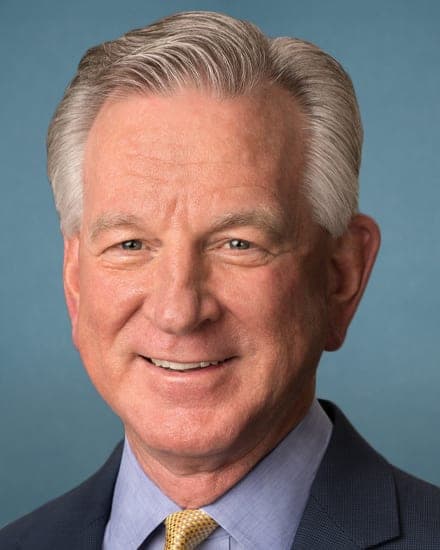
Blake describes Republican comments and campaign messaging directed at El-Sayed, including claims by Tommy Tuberville, Ted Cruz, Donald Trump, Mike Rogers and Tom Cotton. The article says some accusations were unsupported or falsely attributed, and reports that Cruz held a hearing featuring a poster of El-Sayed.
The article also notes that El-Sayed campaigned with streamer Hasan Piker, whose past comment that the United States “deserved 9/11” drew criticism; El-Sayed defended the decision. Blake cites a 2024 Gallup poll on willingness to vote for a Muslim presidential candidate and says some voters may also be wary of El-Sayed’s criticism of Israel.
Community verdict
12 VOTES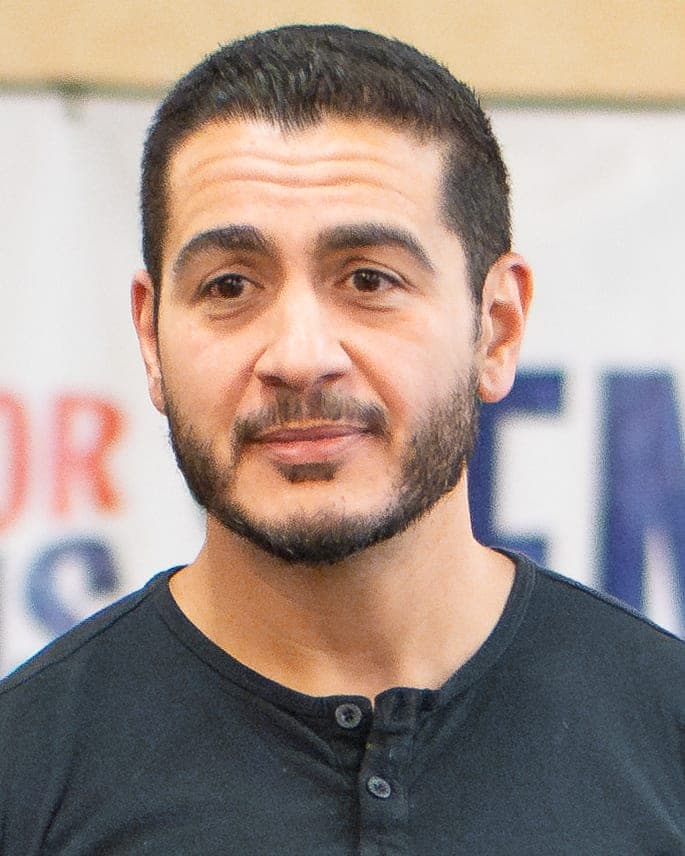
People in this story
SWIPE →Democratic Senate candidate in Michigan and subject of Republican campaign attacks
Senator who called El-Sayed a radical Islamist and terrorist
Candidate in the Michigan congressional Republican primary who acknowledged his campaign used anti-Muslim tactics
Former senator cited for defending Barack Obama against attacks about his identity

Representative and Democratic primary opponent who criticized El-Sayed’s decision to campaign with Piker
Michigan state senator and Democratic primary opponent who criticized El-Sayed’s decision to campaign with Piker

President whose remarks about El-Sayed and broader rhetoric form part of the article’s context
Republican Senate candidate in Michigan and El-Sayed’s opponent

Senator who referred to El-Sayed by his first name on Fox News
Republican congressional candidate mentioned in the opening comparison
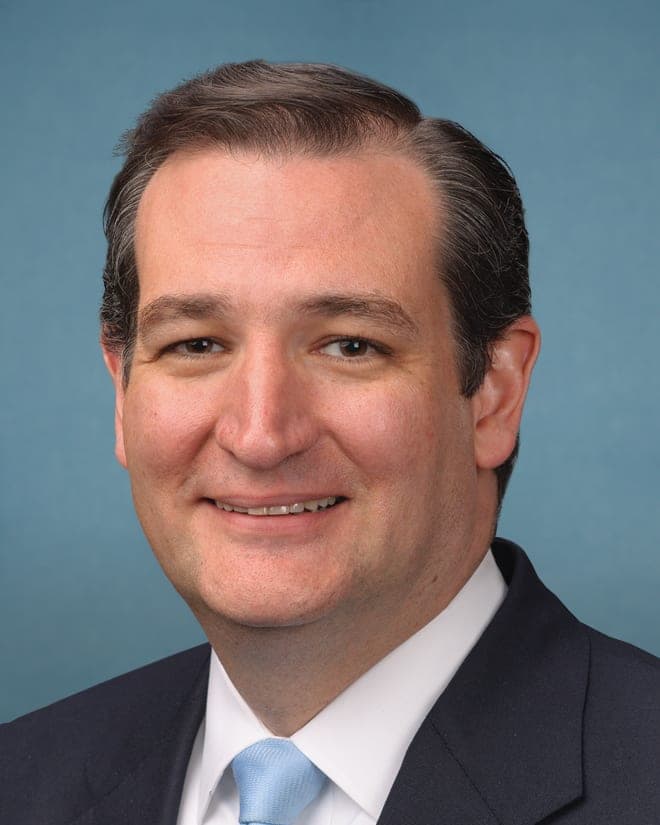
Senator who accused El-Sayed and Zohran Mamdani of Islamist beliefs and held a hearing about the Muslim Brotherhood
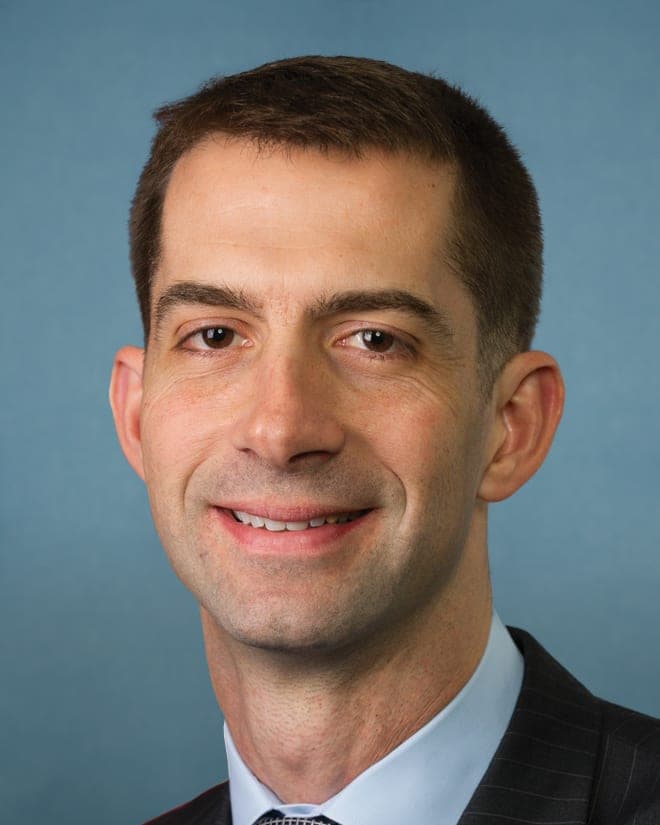
Senator who attributed Piker’s remark to El-Sayed and later corrected his post
Part of a bigger story
23 OUTLETSAbdul El-Sayed won Michigan’s Democratic Senate primary, defeating Haley Stevens. Left-leaning outlets present the win as a grassroots progressive campaign that could challenge corporate influence and build a broader November coalition. Center outlets emphasize efforts to unite Democrats after a divisive primary, while also weighing voter concerns and El-Sayed’s ability to broaden support. Right-leaning outlets stress the electoral risks of his progressive positions and frame his nomination as evidence of a troubling direction for Democrats.
- ARTICLES
- 23
- OUTLETS
- 23
- AVG CRED
- 63
Discussion · 0
Loading comments…