Congress voted to release the Epstein files, but what comes next? Here's what we know.
Donald Trump said he would sign the bill after previously opposing further disclosure of Epstein-related documents.

SOURCE CHECK
TAP FOR WHYCredibility rates Yahoo News, which republished this story. The other scores rate the article itself.
The reporting is attributed to USA TODAY, an established national news organization, and the article identifies its author. Yahoo News is carrying the article rather than presenting it as its own original reporting.
- Source type — Established national news reporting attributed to USA TODAY.
- Author attribution — The article names Rebecca Morin and identifies her outlet.
- Editorial standards — The source is a recognized newsroom, though this page gives no specific corrections or standards information.
The article gives the vote tally, describes the Senate procedure, and includes statements from the bill’s opponents, authors and Senate minority leader. It is concise and reports limited independent context beyond those statements.
HOW WE SCORE ↗The article presents the main privacy concern and the authors’ response about redactions, alongside support for prompt passage. It offers a concise account rather than extensive independent examination of the competing claims.
- Counterarguments presented — Higgins’s privacy objection is presented alongside the authors’ assurance that sensitive information can be withheld or redacted.
- Source diversity — The story includes statements from members on different sides of the debate, but relies mainly on official comments.
- Omitted context — The short report gives limited detail about how disclosure and redaction would work in practice.
The article uses a largely factual tone, attributes criticism and support to the people expressing them, and does not adopt either side’s political framing.
- Language tone — The narration is descriptive and attributes evaluative claims to speakers.
- Source selection — The article includes comments from the lone House dissenter, the bill’s authors, Schumer and Trump.
- Framing — It explains the bill’s progress and the competing privacy and disclosure positions without endorsing either.
Republished with credit
Republished from USA Today, with credit to the original publisher.
21 stories · 79–81 · updated Oct 13, 2026
This is USA Today's own score, and this article is credited to USA Today. The host score in the Source Check is Yahoo News's.
The House passed the Epstein Files Transparency Act 427-1, and the Senate approved it by unanimous consent, sending it to President Donald Trump. Rep. Clay Higgins was the only House member to vote no, citing privacy concerns; Trump said he would sign the bill.
The House passed the Epstein Files Transparency Act on Nov. 18 by a 427-1 vote, with Rep. Clay Higgins casting the sole no vote. Higgins said the measure did not adequately protect the privacy of victims and other people named in the records. Reps. Thomas Massie and Ro Khanna, the bill’s authors, said it includes a provision allowing the attorney general to withhold or redact personal and sensitive information.
The Senate approved the bill by unanimous consent after Senate Minority Leader Chuck Schumer requested swift passage without amendments. Trump said he would sign it, reversing his earlier position; he also described the controversy as a “Democrat Hoax.”
Community verdict
16 VOTES
Counts every outlet’s report of this story. See all 55
- Readers of left-leaning coverage: 77% good look
- Readers of right-leaning coverage: not enough votes yet
Votes cast on this page
Votes cast on this page: ▲ 0 · ◆ 0 · ▼ 0
People in this story
SWIPE →President who said he would sign the bill

The only House member to vote against the Epstein Files Transparency Act
Higgins's version of this story ↗
Coauthor of the bill
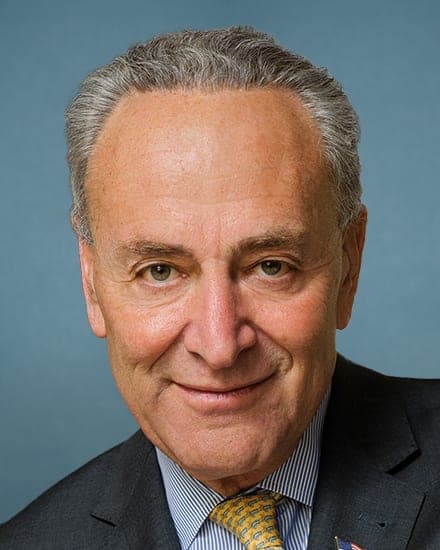
Senate Minority Leader who requested swift passage by unanimous consent

Coauthor of the bill
Part of a bigger story
42 OUTLETSCongress passed a bill requiring the Justice Department to release Epstein-related files, with the House and Senate both approving it. Trump, who had opposed the effort, later urged Republicans to support it. Left-leaning outlets frame passage as overcoming resistance to disclosure and as a rebuke to Trump. Center outlets mainly track the votes and Trump's reversal, with some describing passage as a political rebuke. Right-leaning outlets foreground Trump's eventual backing and, in some articles, partisan conflict around the measure.
- ARTICLES
- 55
- OUTLETS
- 42
- AVG CRED
- 70
- Boulder Daily Camera · Page: Epstein case exposes divisions in MAGA unity, but for a good cause
- Jefferson City News Tribune · Republicans hyped Epstein files for years — now Trump's under pressure to deliver
- Yahoo News · Trump officials say president is plotting new wave of retribution after Epstein bill vote: 'Democrats are going to come to regret this'

Discussion · 0
Loading comments…