US Rep. Shontel Brown calls for answers after FBI raids Ohio voter registration group
Brown questioned the raid’s legal basis and said it could send a chilling message to groups working to make democracy more inclusive.
SOURCE CHECK
TAP FOR WHYWYSO is a local news outlet, and the article identifies its reporters and attributes claims to named officials. The reporting includes some context and notes that the FBI declined to comment, though the article provides limited detail about the FBI’s rationale.
- Source type — Local news outlet with a public-service reporting focus.
- Author attribution — Two reporters are named.
- Editorial standards — The article attributes allegations and quotations to named speakers rather than presenting them as established facts.
- Transparency — The article reports that the FBI declined to comment but offers limited detail about the agency’s account.
The article uses named officials, distinguishes their allegations from reported facts, includes contextual information about voter-fraud cases, and notes the FBI’s response. Most of the perspectives come from officials critical of the raid, while the FBI declined to comment and its rationale is not otherwise explained.
HOW WE SCORE ↗The article attributes the criticism to officials, includes some broader context, and reports that the FBI declined to comment. However, it does not explain the FBI’s rationale or include a substantive perspective supporting or clarifying the raid.
- Counterarguments presented — The FBI’s non-comment is reported, but no substantive counterargument or explanation is included.
- Source diversity — Several local and state officials are quoted or described, but the available perspectives are largely aligned in their concerns.
- Opinion vs reporting — The story reports officials’ claims as allegations and uses attributed quotations.
- Omitted context — The FBI’s basis for the raid and the details of any warrant are not provided.
The article is mostly written in a neutral reporting style, but it gives substantial space to officials’ claims that the raid could suppress voting and provides context that voter fraud is rare. It offers little explanation of the FBI’s position beyond its declining to comment.
- Language tone — Generally neutral, with allegations attributed to the officials who made them.
- Source selection — The quoted officials criticize or express concern about the raid; the FBI declined to comment.
- Framing — The story centers on calls for answers and concerns about voter suppression.
- Omission — The article does not provide the FBI’s rationale for the raid.
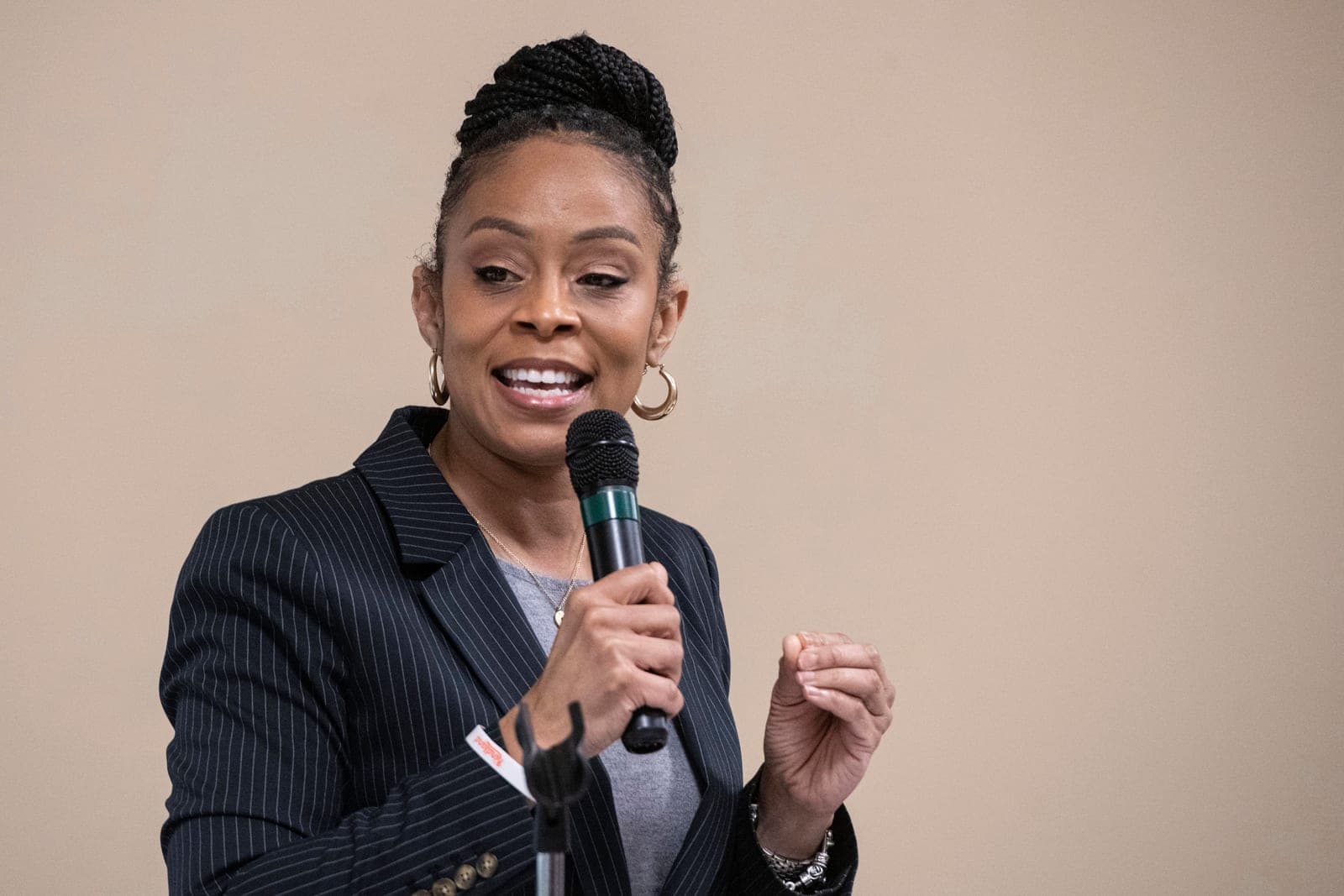
Rep. Shontel Brown and other Ohio officials called for answers after the FBI raided a voter registration group in Cleveland. Brown questioned the raid’s legal basis and said it could discourage efforts to make Ohio’s electorate more inclusive.
At a press conference, Brown and other officials questioned the FBI’s June 11 raid of the Ohio Organizing Collaborative’s Cleveland offices. Brown said she and four other Democratic U.S. representatives from Ohio had sent the FBI a letter asking why it conducted the raid and whether it had legal authority to investigate potential voter fraud. She alleged agents also visited homes and contacted people connected to the organization. The FBI’s Cleveland office declined to comment.
Community verdict
18 VOTES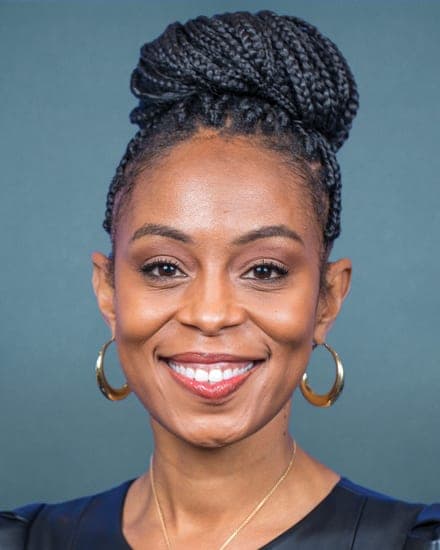
People in this story
SWIPE →U.S. representative who called for answers about the FBI raid
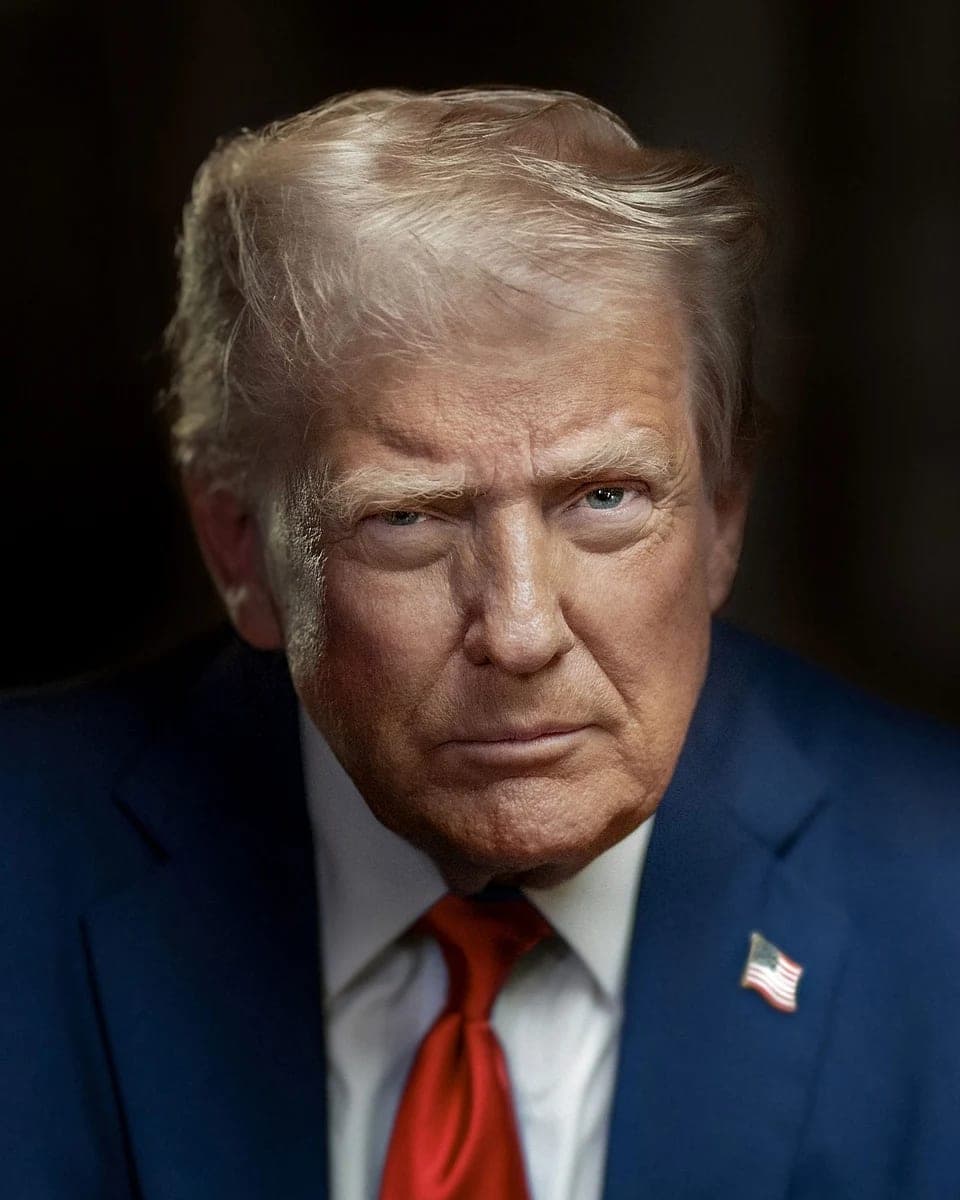
President whose past claims about voter fraud are mentioned
Part of a bigger story
4 OUTLETSShontel Brown and other Ohio officials sought answers from the FBI after it raided an Ohio voter-registration group. The articles largely center on officials’ concerns that the raid could intimidate or suppress voters. One also reports election-board concerns about registration irregularities.
- ARTICLES
- 4
- OUTLETS
- 4
- AVG CRED
- —
Discussion · 0
Loading comments…