US Rep. Shontel Brown calls for answers after FBI raids Ohio voter registration group
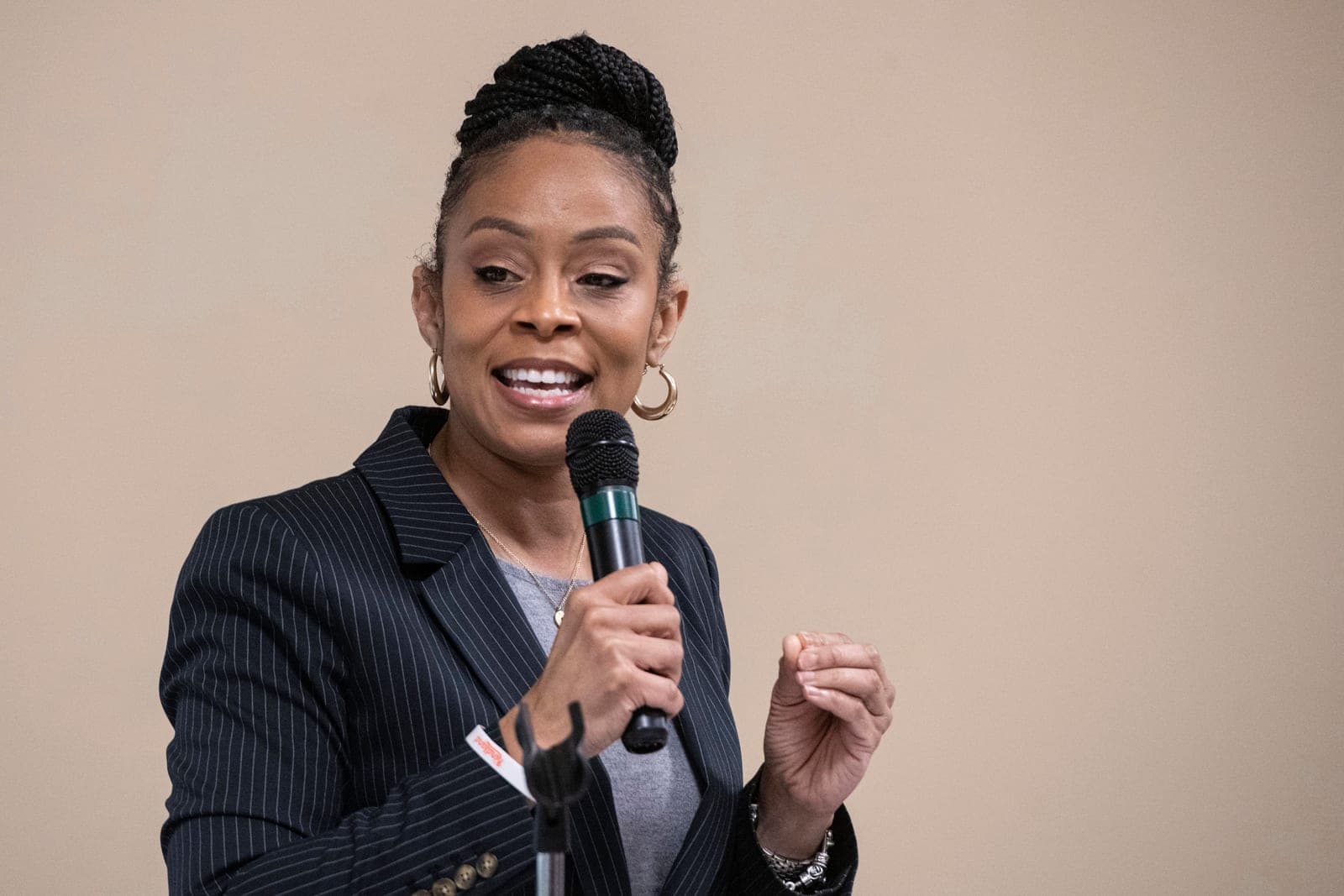
Brown said she and four other Ohio representatives questioned the FBI about its raid of a voter-registration group.
SOURCE CHECK
TAP FOR WHYWOSU Public Media is an established local public-media newsroom, and the article names its reporters and attributes claims to the officials who made them. The reporting also sought comment from the FBI, though the article offers limited independent detail about the raid.
- Source type — Established local public-media outlet with a regional reporting focus.
- Editorial standards — The article distinguishes officials’ allegations from reported details and includes the FBI’s response status.
- Author attribution — Two reporters are named.
- Transparency — The article identifies the press conference and attributes key claims, but gives little detail on the underlying investigation.
The article attributes the allegations to officials, includes relevant details about the raid and voter-fraud figures, and reports that the FBI declined comment. Its evidentiary context is limited: it does not provide the FBI’s rationale, warrant details, or named independent experts behind the research reference.
HOW WE SCORE ↗The article includes multiple local officials’ perspectives and notes that the FBI declined to comment, but it does not present the agency’s explanation or other substantive counterarguments. The account is therefore weighted toward the officials’ concerns.
- Counterarguments presented — The FBI’s response is reported as a declined comment, with no explanation of the raid’s basis.
- Source diversity — Several officials speak, but the quoted views largely align in opposing or questioning the raid.
- Opinion vs reporting — The article reports attributed remarks and distinguishes allegations from reported events.
- Omitted context — The FBI’s rationale and warrant details are not available in the account.
The report uses mostly neutral language but foregrounds officials’ voter-suppression concerns and notes that voter fraud is rare, while providing little detail about the FBI’s rationale. This gives the framing a modest tilt toward skepticism of the investigation.
- Language tone — Claims and quotations are generally attributed rather than stated as established fact.
- Framing — The story centers officials’ concerns that the raid could suppress voters.
- Source selection — Several critics of the raid are quoted, while the FBI declined to comment.
U.S. Rep. Shontel Brown and other Ohio officials called for answers after the FBI raided a voter-registration group, alleging the operation could suppress Black voters. The FBI’s Cleveland office declined to comment.
At a press conference in Cleveland, Brown said she and four other Democratic U.S. representatives from Ohio had written to the FBI questioning the raid’s reasoning and the agency’s authority to investigate potential voter fraud. Brown alleged that agents contacted volunteers and visited homes, and said it remained unclear how much of the operation was covered by a warrant.
The FBI reportedly seized laptops and other devices from the Ohio Organizing Collaborative. Brown cited six state voter-fraud indictments in 2024 and argued the raid could discourage groups and individuals. Cuyahoga County Executive Chris Ronayne said the county’s election system was secure, and the FBI’s Cleveland office declined to comment.
Community verdict
22 VOTES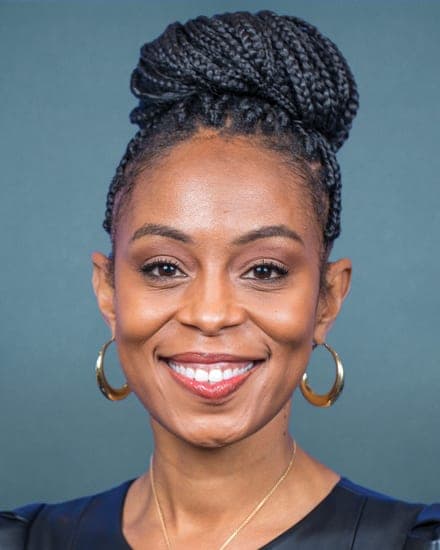
People in this story
SWIPE →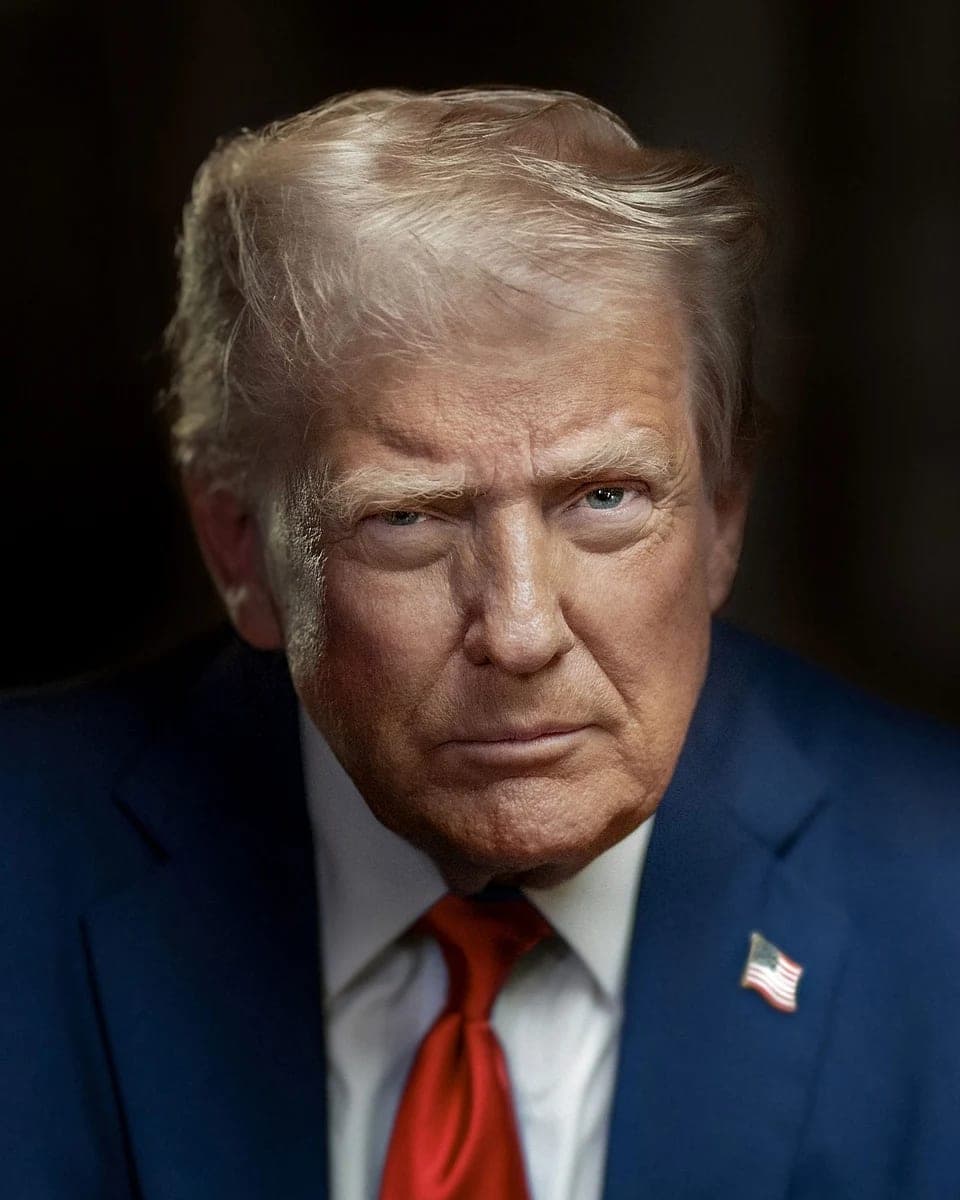
President cited in the context of past voter-fraud allegations
Part of a bigger story
4 OUTLETSShontel Brown and other Ohio officials sought answers from the FBI after it raided an Ohio voter-registration group. The articles largely center on officials’ concerns that the raid could intimidate or suppress voters. One also reports election-board concerns about registration irregularities.
- ARTICLES
- 4
- OUTLETS
- 4
- AVG CRED
- —
Discussion · 0
Loading comments…