To Deal or Not to Deal: The Voices for Full-Scale War with Iran Rise Up
Cruz praised Trump’s strike on Iran but warned that the reported terms of a deal could produce a disastrous outcome.
SOURCE CHECK
TAP FOR WHYThe publisher is identified as a blog, and the page gives little information here about institutional editorial standards or corrections. The article has an attributed author and quotes public statements, but much of its account of the possible agreement relies on unverified reports.
- Source type — A blog has less institutional accountability than an established newsroom.
- Editorial standards — The page does not establish clear editorial or verification standards.
- Author attribution — An author is named.
- Transparency — The article distinguishes some claims as rumors but provides limited sourcing for the reported deal terms.
The piece quotes several public figures’ statements, but relies heavily on social media posts and reported rumors about an unfinalized deal. It offers little independent verification, context or response from officials supporting negotiations.
HOW WE SCORE ↗The article presents several critics of a possible deal but gives little space to the administration’s rationale or to a detailed defense of negotiations. The author’s own comments also signal a preferred view.
- Counterarguments presented — The author says the deal may be worth giving a chance, but no administration explanation or detailed case for it is presented.
- Loaded language — Terms such as “pro-war Republicans” and “Naysayers” frame the critics negatively.
- Source diversity — Most named views come from opponents of the reported deal; the possible terms are attributed to one social-media post.
- Opinion vs reporting — The author explicitly offers personal judgments about the negotiation and the critics’ knowledge.
The article favors giving Trump a chance to negotiate and criticizes Republican voices pressing against a deal. Its framing reads as somewhat right-leaning and pro-Trump, though it does not establish a clear partisan case on the agreement’s merits.
- Language tone — Labels the senators’ position as “pro-war” and “naysayers,” while expressing sympathy for Trump’s position.
- Framing — Questions whether critics should condemn an agreement before its terms are known.
- Source selection — Features Republican critics of the prospective deal and a conservative commentator, alongside the author’s brief defense of Trump’s chance to negotiate.
Republican senators Lindsey Graham, Roger Wicker and Ted Cruz criticized reports of a possible Iran deal before its terms were finalized. The article says the deal’s details remain uncertain and relays unconfirmed claims about what it might include.
Graham warned that an agreement leaving Iran with regional influence and military capabilities could be a “nightmare for Israel.” Wicker called a rumored ceasefire a “disaster” and criticized advisers he said were urging President Trump to make a deal; Cruz praised Trump’s strike on Iran but warned that the reported outcome could be a “disastrous mistake.” Former Secretary of State Mike Pompeo also criticized the reported terms.
The author says the deal’s terms are not known for certain and expresses a willingness to give Trump a chance. The article relays claims attributed to Patrick Bet-David about possible provisions, including Iran giving up enriched uranium, sanctions relief, reopening the Strait of Hormuz and a period to finalize a nuclear deal; it presents these as rumors, not confirmed terms.
Community verdict
11 VOTES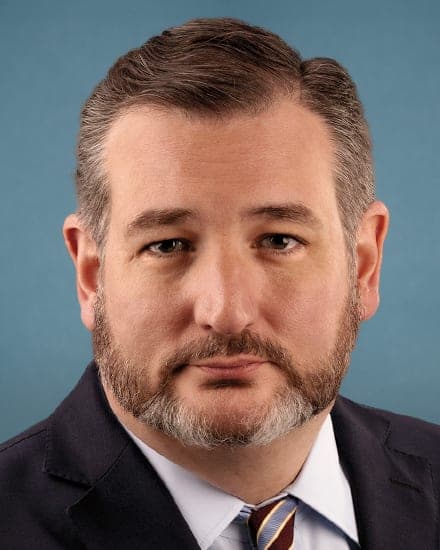
People in this story
SWIPE →Senator warning against the reported terms of a possible Iran deal
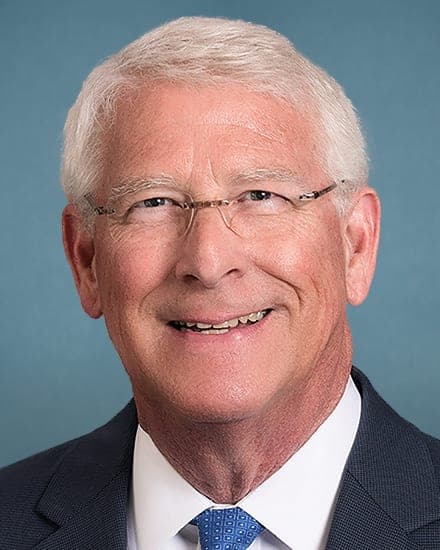
Senator criticizing a possible ceasefire and agreement with Iran
Wicker's version of this story ↗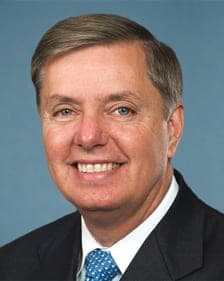
Senator criticizing a possible Iran agreement
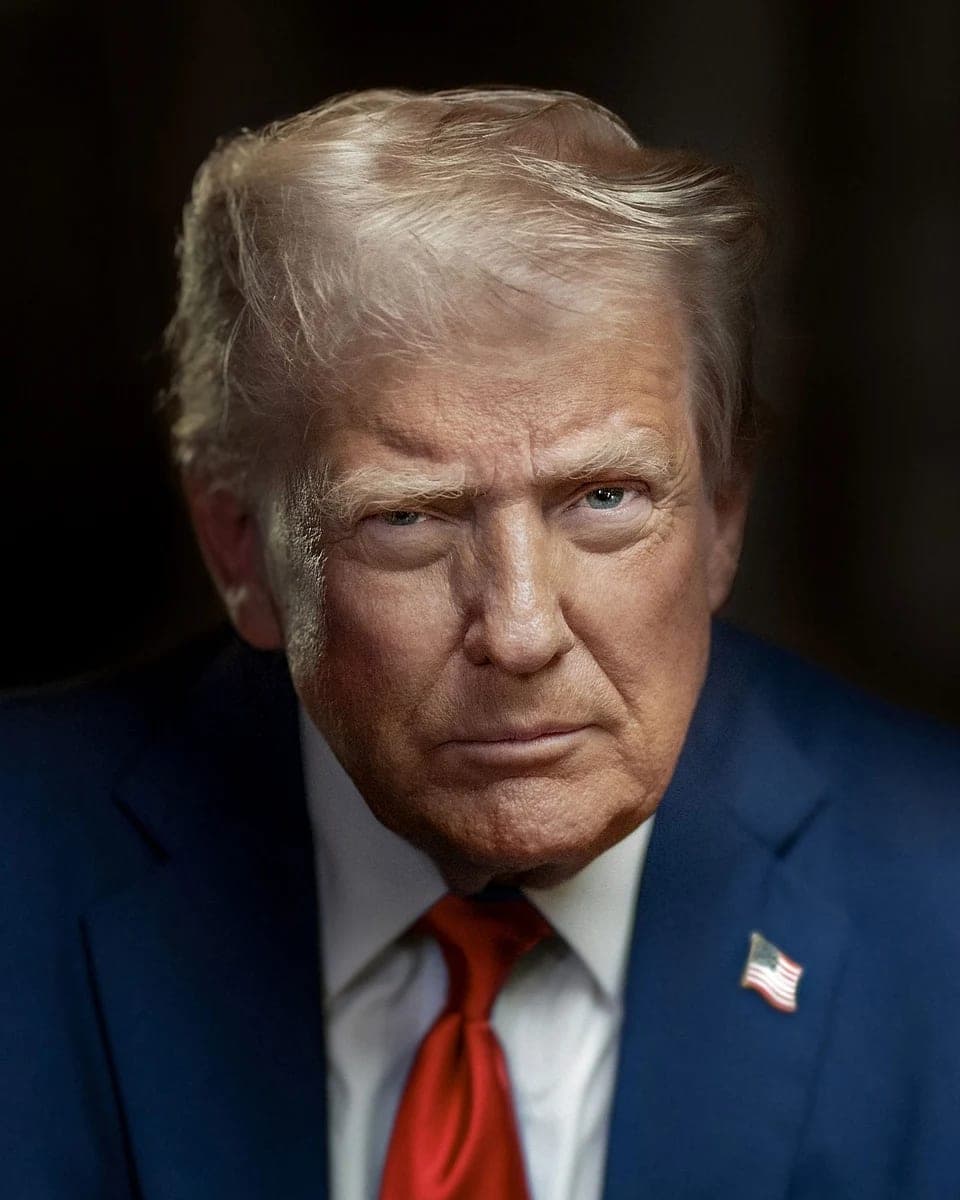
President involved in the reported Iran negotiations

Former Secretary of State criticizing the reported terms of a possible Iran deal
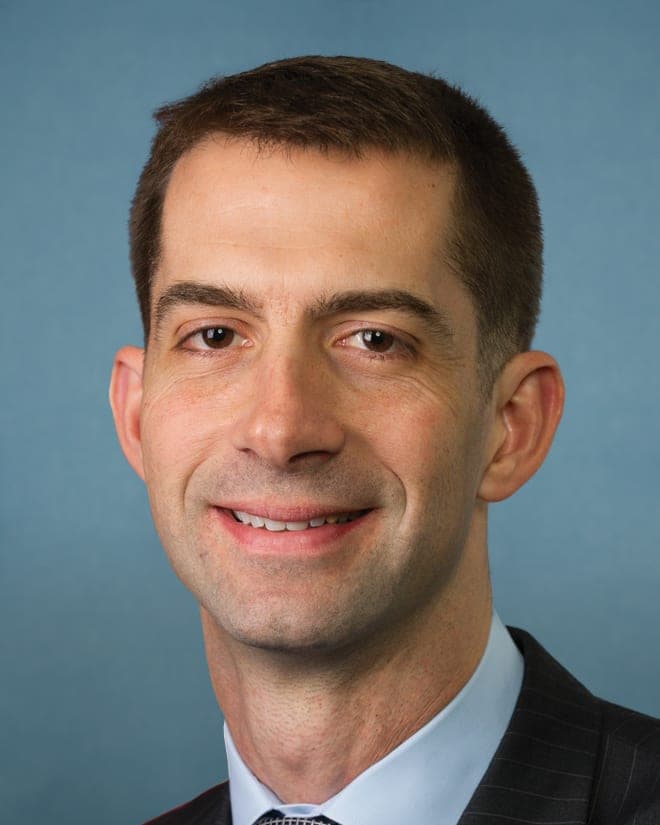
Senator who shared Graham’s post criticizing a possible agreement
Discussion · 0
Loading comments…