Wonkette Endorses Abdul El-Sayed In Michigan, We Think We Said That Already Right?
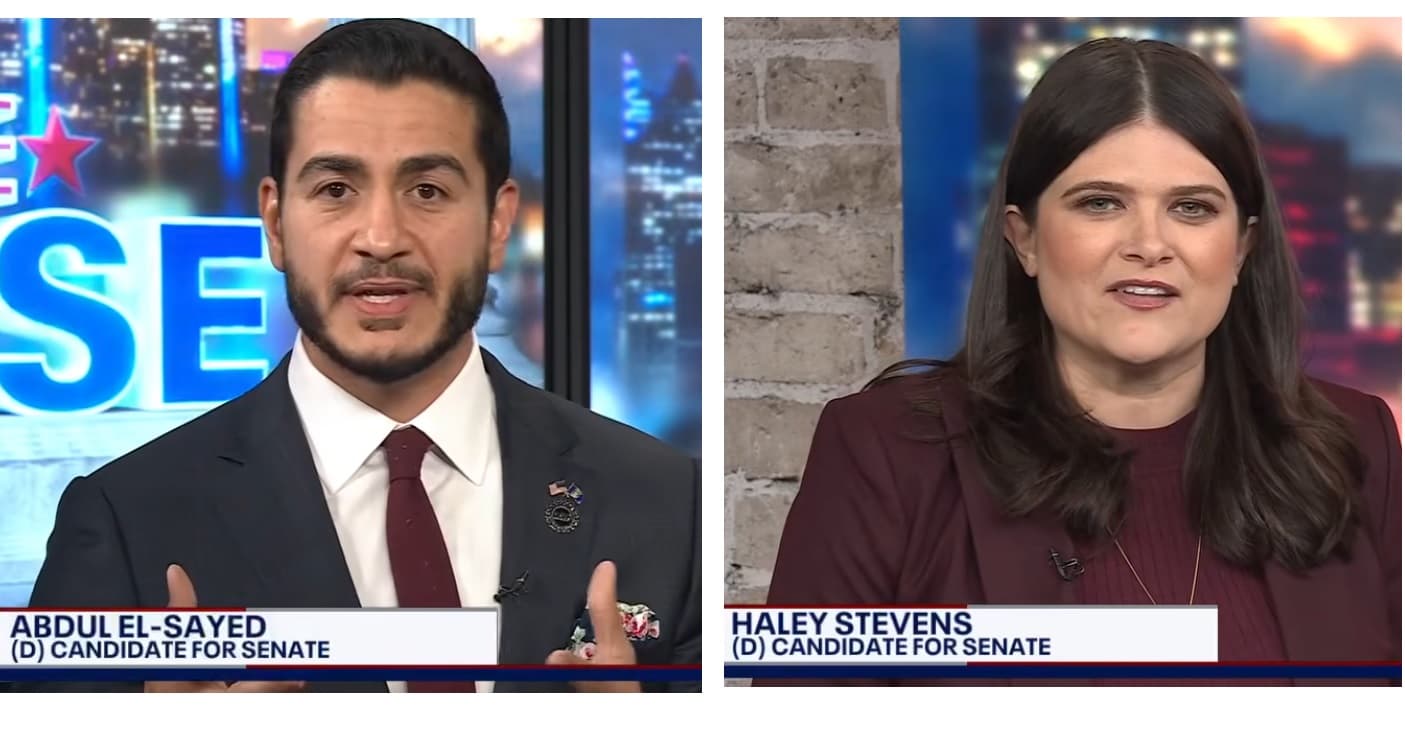
Stevens defended her approach to campaign funding and argued for reforms to ICE rather than abolishing the agency.
SOURCE CHECK
TAP FOR WHYWonkette is an opinion-focused publication, and this piece is openly humorous and partisan rather than a straight news report. It identifies its author and attributes some supporting information to other outlets, but the article itself offers limited independent sourcing.
- Source type — Opinion-focused publication; the article is explicitly an endorsement and commentary piece.
- Editorial standards — The article attributes some claims to Michigan Bridge and quotes debate participants, but its presentation is openly partisan.
- Author attribution — A named author is credited.
The article includes quotations from both candidates and cites Michigan Bridge for campaign-finance and vote details. Its coverage is selective and strongly favors El-Sayed, with little independent context beyond the debate and cited reporting.
HOW WE SCORE ↗Both candidates’ positions and several quotations appear, but the article’s explicit endorsement and favorable framing of El-Sayed make it largely one-sided. The writer’s skepticism toward Stevens is not balanced by comparable scrutiny of El-Sayed.
- Loaded language — The article uses repeated mocking and evaluative language, especially toward Stevens and her supporters.
- Counterarguments presented — Both candidates’ debate arguments are included, but their positions are not examined with equal skepticism.
- Source diversity — The article relies mainly on debate remarks and cites Michigan Bridge for some factual details.
- Opinion vs reporting — The piece openly endorses one candidate and mixes commentary with reporting.
The article openly endorses El-Sayed and uses approving language about him while mocking and criticizing Stevens and her allies. Its framing and selection of details favor the progressive candidate.
- Language tone — Humorous and derisive descriptions target Stevens, her backers and Republicans, while the writer signals agreement with El-Sayed.
- Framing — The article frames El-Sayed as the progressive alternative and Stevens as aligned with the Democratic establishment.
- Headline — The headline foregrounds Wonkette’s endorsement of El-Sayed.
Abdul El-Sayed and Rep. Haley Stevens clashed in their final Democratic Senate primary debate over campaign funding, electability and immigration. Wonkette endorses El-Sayed and says the Michigan race could affect control of the Senate.
Abdul El-Sayed and Rep. Haley Stevens, the two remaining major Democratic candidates for Michigan’s open Senate seat, debated campaign funding, electability and the direction of the Democratic Party. Wonkette says it endorses El-Sayed, while describing Stevens as backed by Democratic establishment figures and El-Sayed as supported by progressive lawmakers.
El-Sayed criticized Stevens over corporate and AIPAC-linked support, her vote on an amendment concerning aid to Israel, and her position on ICE. Stevens said she wants to reform ICE and accused El-Sayed of pursuing celebrity rather than public service; El-Sayed defended his work and argued that ICE should be abolished. The article also recounts a recording in which Republican Senate candidate Mike Rogers called El-Sayed radical and discussed the race.
Community verdict
2 VOTES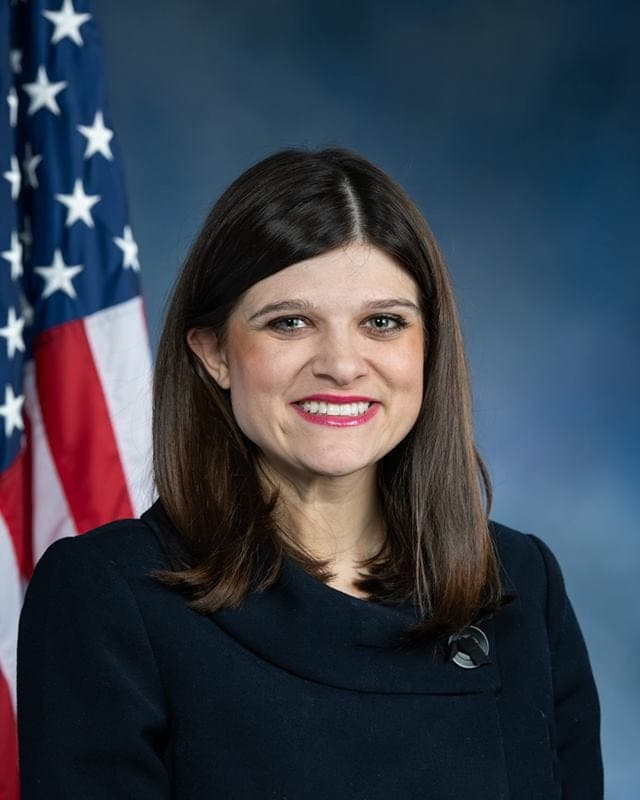
People in this story
SWIPE →Representative and Democratic Senate candidate whose debate positions were featured
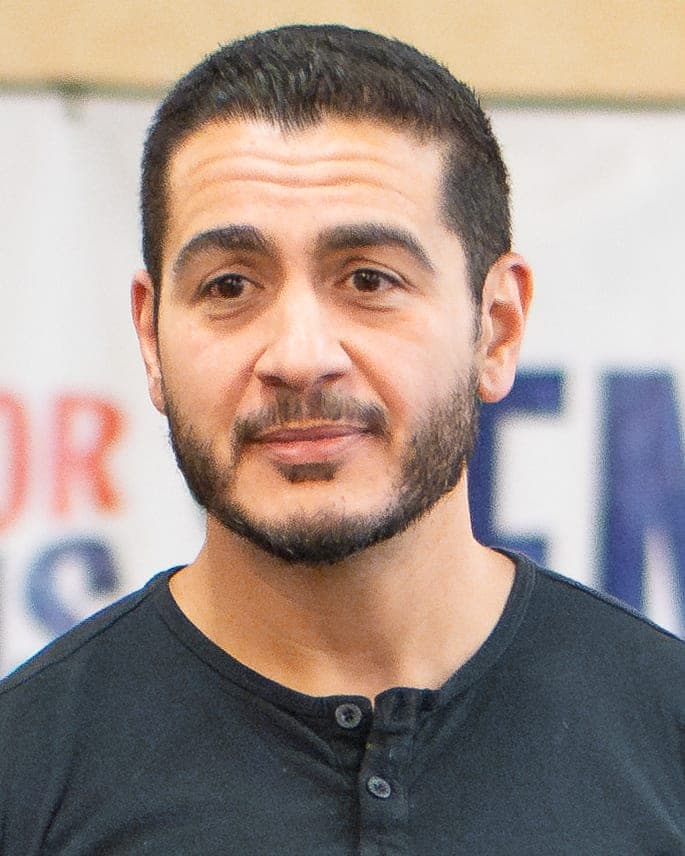
Democratic Senate candidate whose debate positions and campaign were featured
El-Sayed's version of this story ↗Former Democratic Senate candidate who left the race

President discussed as a political backdrop to the race and immigration debate
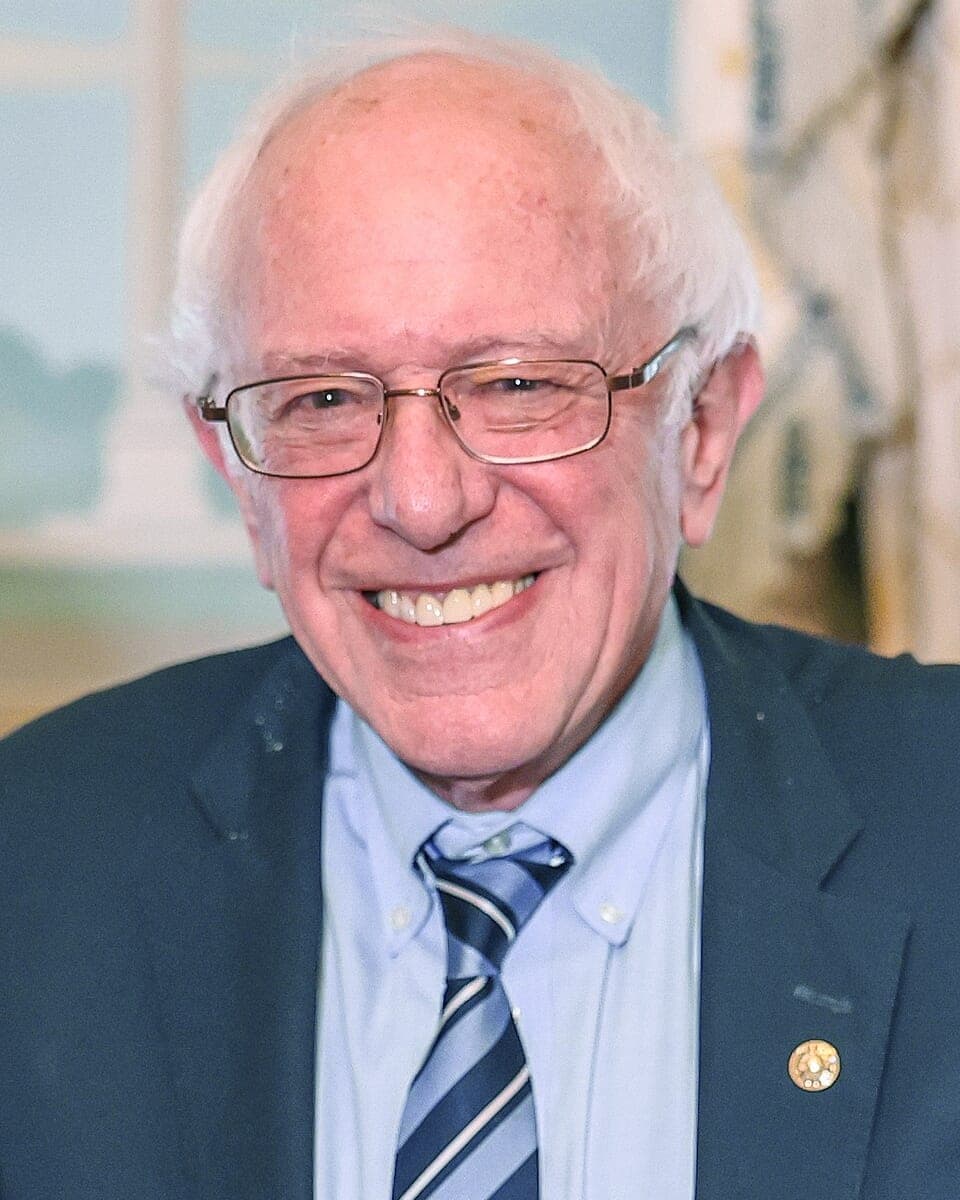
Senator who supports El-Sayed
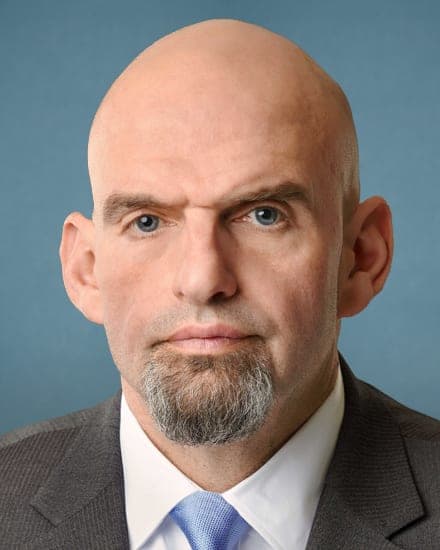
Senator identified as the target of El-Sayed’s earlier remark
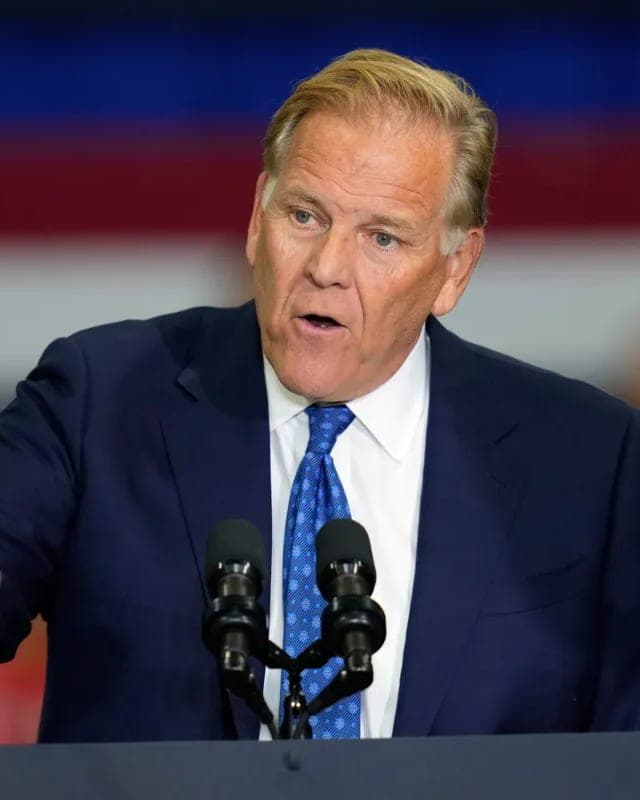
Republican Senate candidate discussed as El-Sayed’s potential opponent
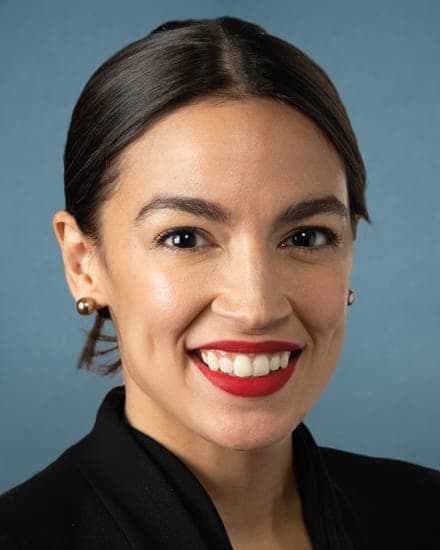
Representative who supports El-Sayed
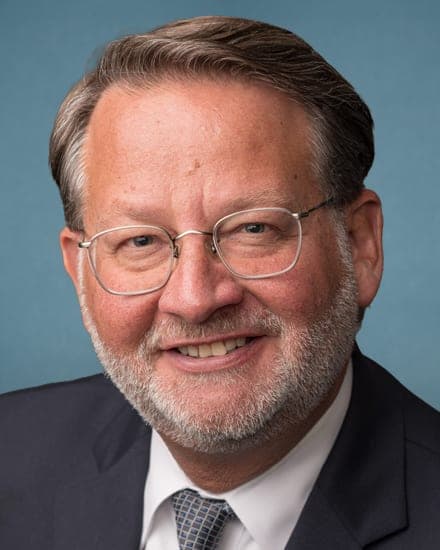
Retiring senator whose seat is being contested and who endorsed Stevens
Discussion · 0
Loading comments…