Senate hopeful Haley Stevens knows how to win in Michigan. Democrats must decide if that's enough
El-Sayed argues that Democrats can win with a progressive platform rather than moving toward the political middle.
SOURCE CHECK
TAP FOR WHYCredibility rates WKMG, where this article appeared. The other scores rate the article itself.
The reporting is attributed to the Associated Press, an established wire service, and the article identifies its author and quotes multiple named sources. It appears on a local station’s site as AP material rather than original WKMG reporting.
- Source type — The story is AP reporting, a major wire service with an established record.
- Author attribution — The AP author is named and sources are identified by name and role.
- Transparency — The page carries AP copyright and attribution.
The article uses named voters, campaign statements and endorsements to convey competing views about the primary. It provides concrete spending figures and campaign context, though much of the analysis relies on a small set of quoted sources.
HOW WE SCORE ↗The article gives space to arguments for both candidates and includes voters who disagree about Stevens’s outside support and El-Sayed’s approach. Its focus on the strategic electability question leaves less room for detailed examination of either candidate’s policy proposals.
- Counterarguments presented — The story contrasts Stevens’s electability argument with El-Sayed supporters’ case for change.
- Source diversity — It includes voters, campaign statements, party figures and a labor endorsement.
- Omitted context — Policy proposals are listed but not examined in depth.
The article presents Stevens’s electability case alongside El-Sayed’s argument for a more progressive approach. It includes both supportive and critical views without a discernible partisan framing.
- Source selection — The article quotes supporters of both candidates and describes backing from party and labor groups.
- Language tone — The language is predominantly descriptive and attributes judgments to the people making them.
- Framing — It frames the contest around electability and the party’s direction, presenting both as live questions.
Original publisher not identified
This article credits another publisher, which ChamberLight has not identified, so the scores are WKMG's own.
Haley Stevens is making electability her case in Michigan’s Democratic Senate primary, while Abdul El-Sayed argues Democrats can win without moving to the middle. The article describes party leaders’ backing for Stevens and the competing grassroots and labor support for El-Sayed.
Stevens says her record of winning competitive races makes her the stronger general-election candidate. The article notes that Senate Democratic leader Chuck Schumer and former Sen. Debbie Stabenow have backed her, while outside groups have spent more than $30 million to support her campaign, including more than $13 million from a super PAC affiliated with AIPAC. Some voters cited in the story see that support as a liability.
El-Sayed is campaigning on proposals including Medicare for All, campaign finance reform and ending U.S. weapons sales to Israel; he also has support from the United Auto Workers. The article describes his appeal to voters seeking change, notes Mallory McMorrow’s campaign suspension and subsequent endorsements for Stevens, and presents disagreement among Democratic voters about whether electability or a more progressive platform should guide the primary.
Community verdict
VOTING CLOSED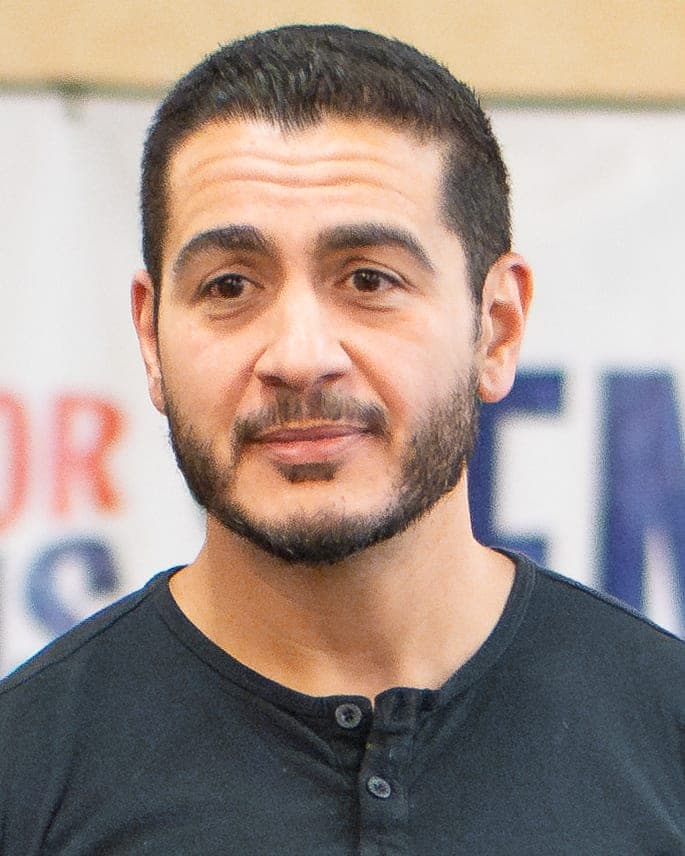
No good or bad look here
This story reports what happened without casting El-Sayed in a good or bad light, so readers don’t rate it and it doesn’t count toward El-Sayed’s record.
People in this story
SWIPE →Democratic Senate candidate challenging Stevens in the Michigan primary

Michigan Senate candidate and U.S. representative making an electability case
Stevens's version of this story ↗Senate candidate who suspended her campaign

President cited as another politician who built an anti-establishment coalition in Michigan

Senator cited as a historical example of a candidate who challenged the party establishment
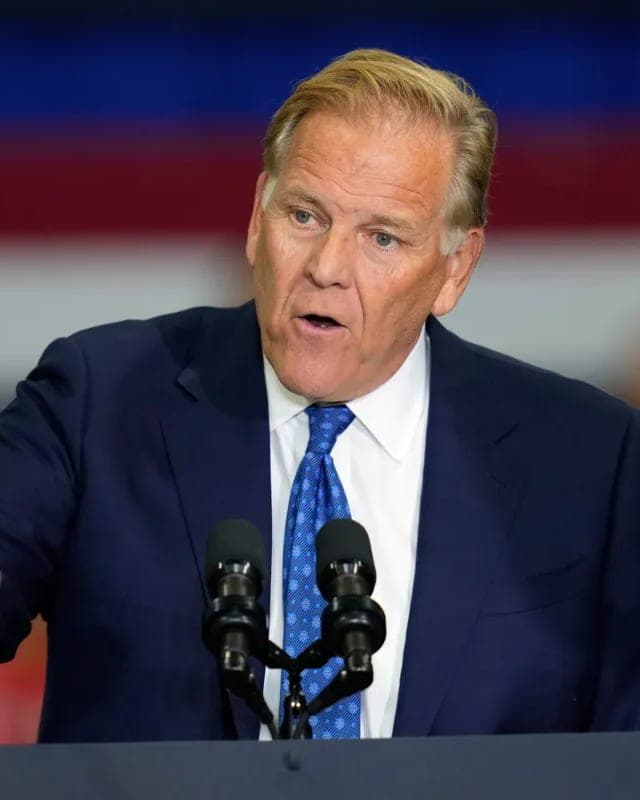
Republican Senate candidate and potential general-election opponent

Former Michigan governor used as a comparison for successful statewide campaigning
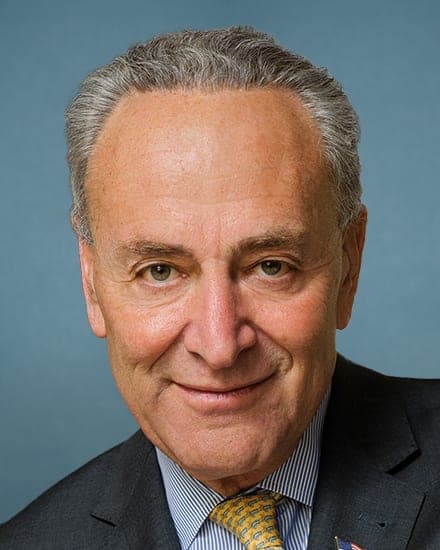
Senate Democratic leader backing Stevens

Democratic nominee in Maine whose planned withdrawal is cited as a concern for the party
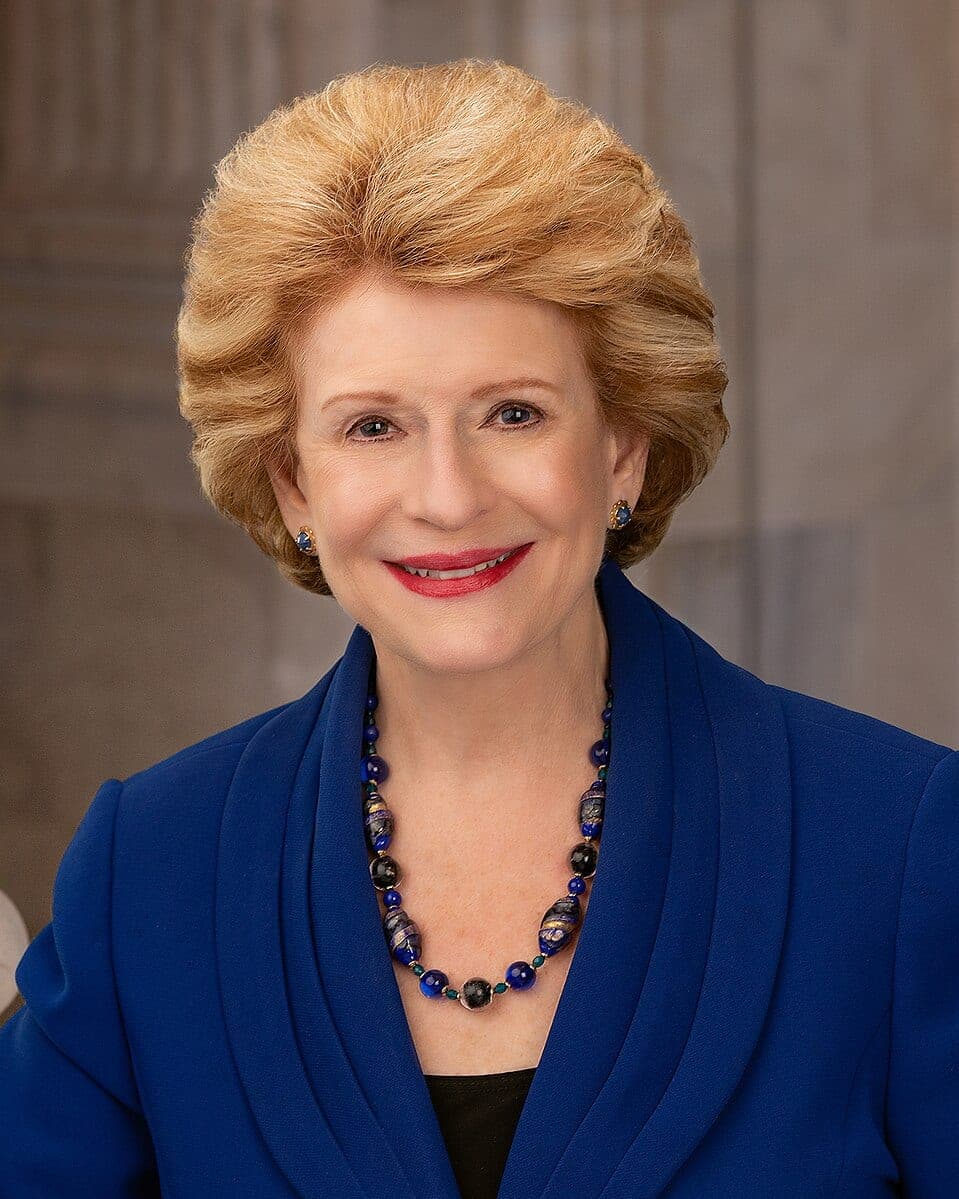
Former senator backing Stevens
Part of a bigger story
10 OUTLETSCoverage describes Haley Stevens making electability her case in Michigan’s Democratic Senate primary, while Abdul El-Sayed argues for a more progressive alternative. Center outlets frame the contest as a choice between Stevens’s electability argument and El-Sayed’s progressive case, focusing on which approach will persuade Democratic primary voters.
- ARTICLES
- 10
- OUTLETS
- 10
- AVG CRED
- 86
Discussion · 0
Loading comments…