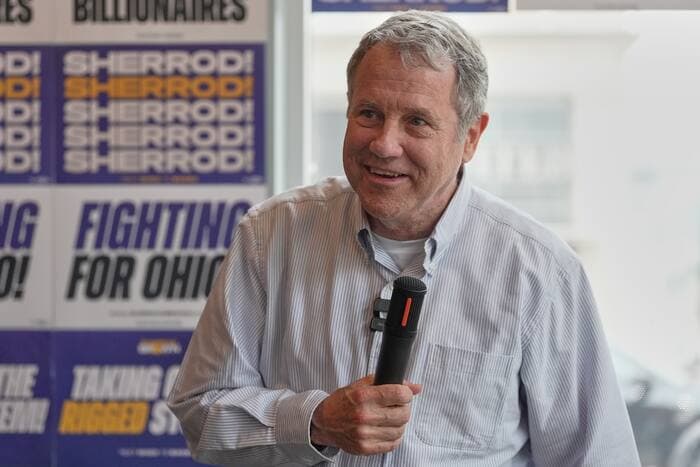
Ohio voters rejected Sherrod Brown. Two years later, are they ready to give him a second chance?
Husted is defending his Ohio Senate seat against Brown amid criticism over his support for data centers.
SOURCE CHECK
TAP FOR WHYCredibility rates WJXT, where this article appeared. The other scores rate the article itself.
The page is published by a local news outlet, but the byline and copyright identify this as Associated Press reporting. AP is an established wire service with strong reporting and editorial standards.
- Source type — The local-news publisher carries a report credited to the Associated Press, an established wire service.
- Author attribution — The article names its AP reporter and credits an additional AP contributor.
- Transparency — The page includes photo credits and an AP copyright notice.
The report provides named local voices, campaign statements from both sides, and specific spending and export figures. It offers useful political and economic context, though it does not independently resolve the competing claims about data centers or include direct interviews with Brown and Husted.
HOW WE SCORE ↗The article presents perspectives from voters on both sides, quotes representatives of both campaigns, and supplies context for Brown’s challenge and Husted’s position. The main limitation is that several claims about data centers and campaign conduct are relayed through campaign statements rather than independently examined.
- Counterarguments presented — Brown allies’ criticism of Husted is accompanied by a response from Husted’s spokesperson.
- Source diversity — The article draws on voters, party figures, a professor, and campaign spokespeople.
- Omitted context — The competing claims about data centers and electricity costs are not deeply tested with independent evidence.
The article uses largely neutral language and presents perspectives from voters, local political figures, and representatives of both campaigns. Its focus on economic discontent and data-center criticism is balanced by Husted’s campaign response and Republican voters’ comments.
- Language tone — The report uses descriptive language and attributes critical claims to their sources.
- Source selection — It includes Democratic and Republican voices as well as residents and an academic.
- Framing — The story frames the contest as an uncertain campaign shaped by economic concerns rather than endorsing a candidate.
Original publisher not identified
This article credits another publisher, which ChamberLight has not identified, so the scores are WJXT's own.
Sherrod Brown is trying to win back his Ohio Senate seat from Jon Husted by appealing to voters concerned about the economy and data centers. The race reflects a broader Democratic effort to compete in Republican-leaning states.
Two years after losing his Senate seat, Sherrod Brown is campaigning to win it back from Jon Husted. The article describes economic concerns, including high gas and grocery prices, and the challenge Democrats face in making gains in Ohio and other Republican-leaning states. Residents and local political figures express uncertainty about whether voters will continue supporting Republicans.
Brown’s allies blame data centers for contributing to rising electricity costs and criticize Husted’s past support for making Ohio a data-center destination. Husted’s spokesperson said he is working to lower costs and said he introduced legislation requiring data-center companies to pay for the power they use. The article also reports campaign spending figures and describes Republican-backed ads attacking Brown.
Community verdict
10 VOTES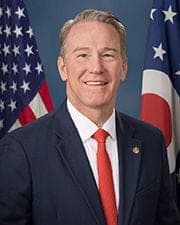
People in this story
SWIPE →
Democratic Senate candidate seeking to regain the Ohio seat he lost
Brown's version of this story ↗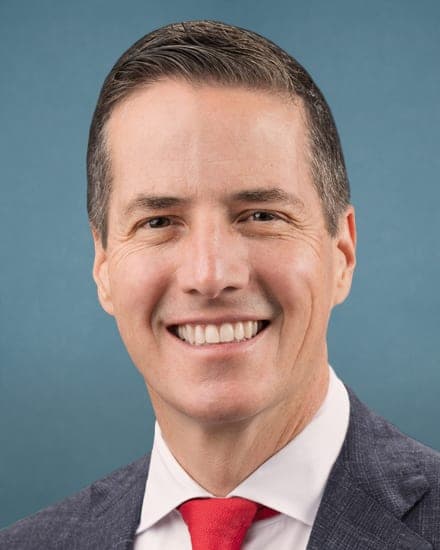
Republican who defeated Brown in the previous Senate election

President whose past support and current policies shape the article’s account of Ohio politics

Former officeholder whose Senate seat Husted was appointed to fill
Discussion · 0
Loading comments…