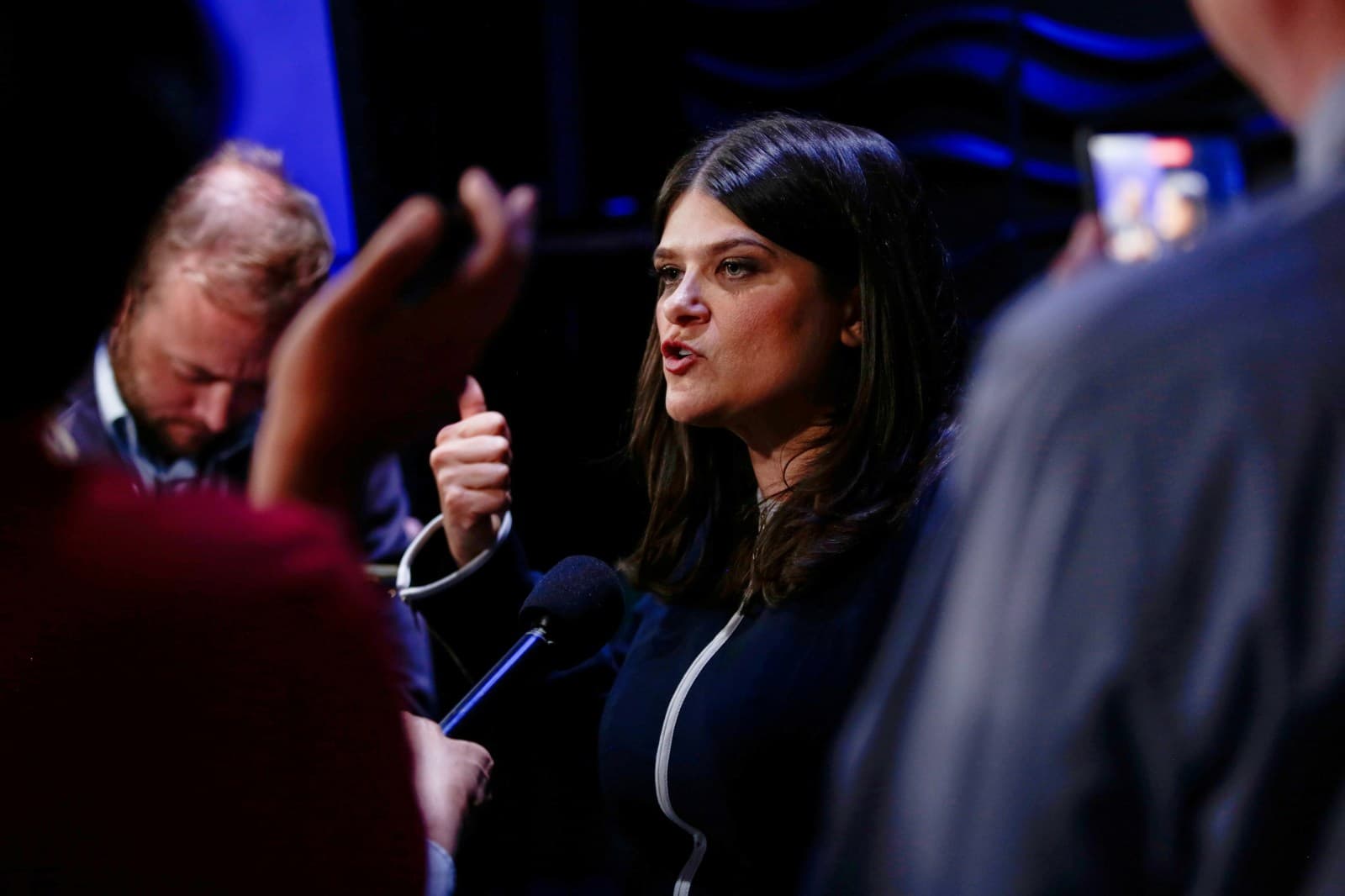
Senate hopeful Haley Stevens knows how to win in Michigan. Democrats must decide if that's enough
Stevens is arguing that her record of winning competitive races makes her the strongest Democratic nominee for Michigan’s Senate seat.
SOURCE CHECK
TAP FOR WHYCredibility rates Winnipeg Free Press, where this article appeared. The other scores rate the article itself.
The reporting is credited to The Associated Press, a major wire service with established editorial standards and a strong record of original reporting. The page identifies both the AP author and the AP dateline.
- Source type — The Associated Press is a major, established news wire service.
- Author attribution — The story names an AP reporter and identifies the AP as the reporting organization.
- Editorial standards — AP reporting is subject to professional editorial standards and corrections practices.
The article uses named candidates, voters, political figures and organizations, and includes specific spending figures and competing arguments about electability and policy. Its account is informative, though El-Sayed is not quoted directly and some of the contrast relies on supporters’ views.
HOW WE SCORE ↗The story presents arguments for both candidates and includes voters who favor each, along with campaign spending and endorsements. Stevens speaks directly in the article, while El-Sayed’s case is largely conveyed through descriptions of his campaign and supporters.
- Counterarguments presented — The article contrasts Stevens’ electability pitch with El-Sayed’s argument for a more progressive approach.
- Source diversity — Sources include candidates, voters, political figures, groups and a labor organization.
- Omitted context — El-Sayed’s position is described but he is not quoted directly, leaving his case less fully represented in his own words.
- Loaded language — Most potentially evaluative descriptions are attributed to their speakers.
The article presents Stevens’ electability argument alongside El-Sayed’s progressive appeal and criticism of centrist campaigning. Its language and framing are predominantly descriptive rather than aligned with either candidate.
- Language tone — The story uses mostly neutral descriptions and attributes evaluative claims to speakers.
- Source selection — It includes Stevens’ arguments, El-Sayed supporters’ views, voters and political endorsements.
- Framing — The central question is whether electability or a more progressive approach will appeal to Democratic primary voters.
Original publisher not identified
This article credits another publisher, which ChamberLight has not identified, so the scores are Winnipeg Free Press's own.
Michigan Rep. Haley Stevens is making her case as the Democrat best positioned to win the state’s Senate seat, while rival Abdul El-Sayed argues Democrats should prioritize bold policy over a moderate profile. The article examines whether primary voters agree with party leaders’ emphasis on electability.
Stevens says her record of winning competitive House races distinguishes her from El-Sayed in the August 4 Democratic Senate primary. Senate Democratic leader Chuck Schumer and former Sen. Debbie Stabenow are backing Stevens, while El-Sayed has built support with progressive voters and labor groups. The article notes that outside groups have spent more than $30 million to support Stevens, including more than $13 million from the United Democracy Project, a super PAC affiliated with AIPAC.
The article contrasts Stevens’ retail campaigning and pragmatic pitch with El-Sayed’s progressive campaign and policy proposals. Stevens’ supporters cite her ability to connect with voters; El-Sayed supporters say Democrats should pursue change rather than focus on appealing to the middle. The piece also describes how Mallory McMorrow’s departure from the primary prompted additional endorsements for Stevens.
Community verdict
VOTING CLOSED
No good or bad look here
This story reports what happened without casting Stevens in a good or bad light, so readers don’t rate it and it doesn’t count toward Stevens’s record.
People in this story
SWIPE →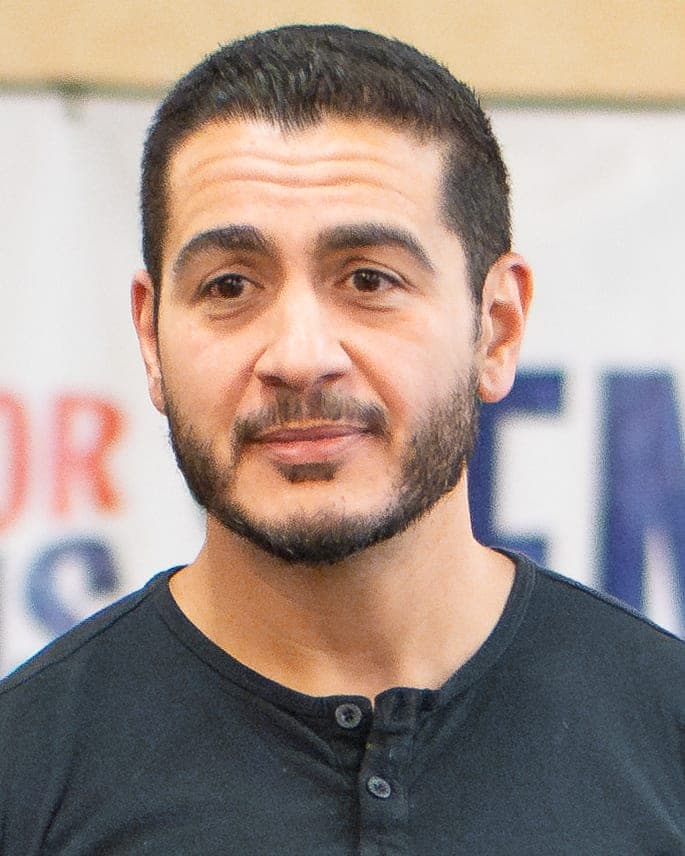
Democratic Senate candidate challenging Stevens’ electability argument
El-Sayed's version of this story ↗Michigan state senator and former Democratic Senate candidate

President cited as a past outsider candidate in Michigan

Senator cited as a past outsider candidate in Michigan
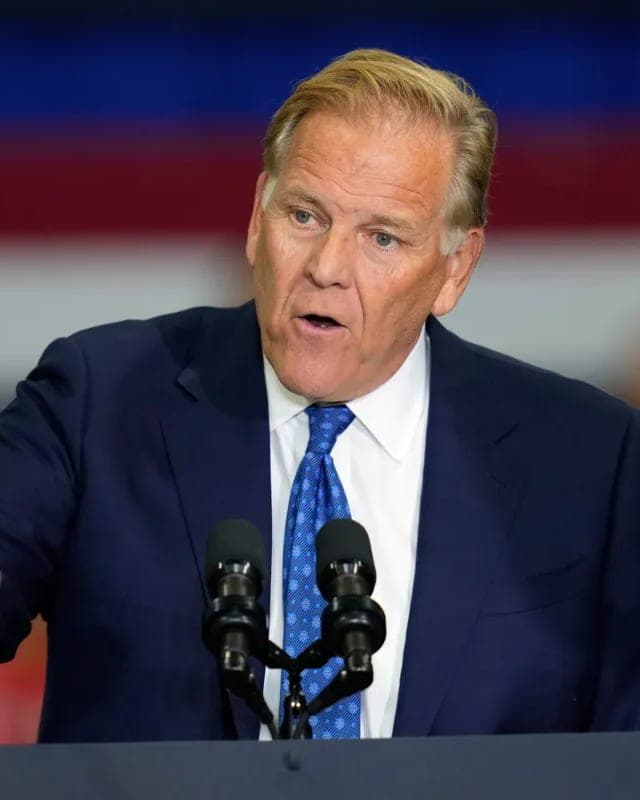
Republican Senate candidate

Former Michigan governor used as a comparison
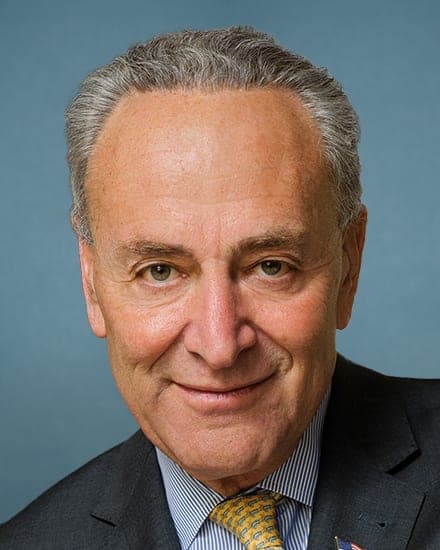
Senate Democratic leader backing Stevens

Maine Democratic candidate who said he planned to leave his race
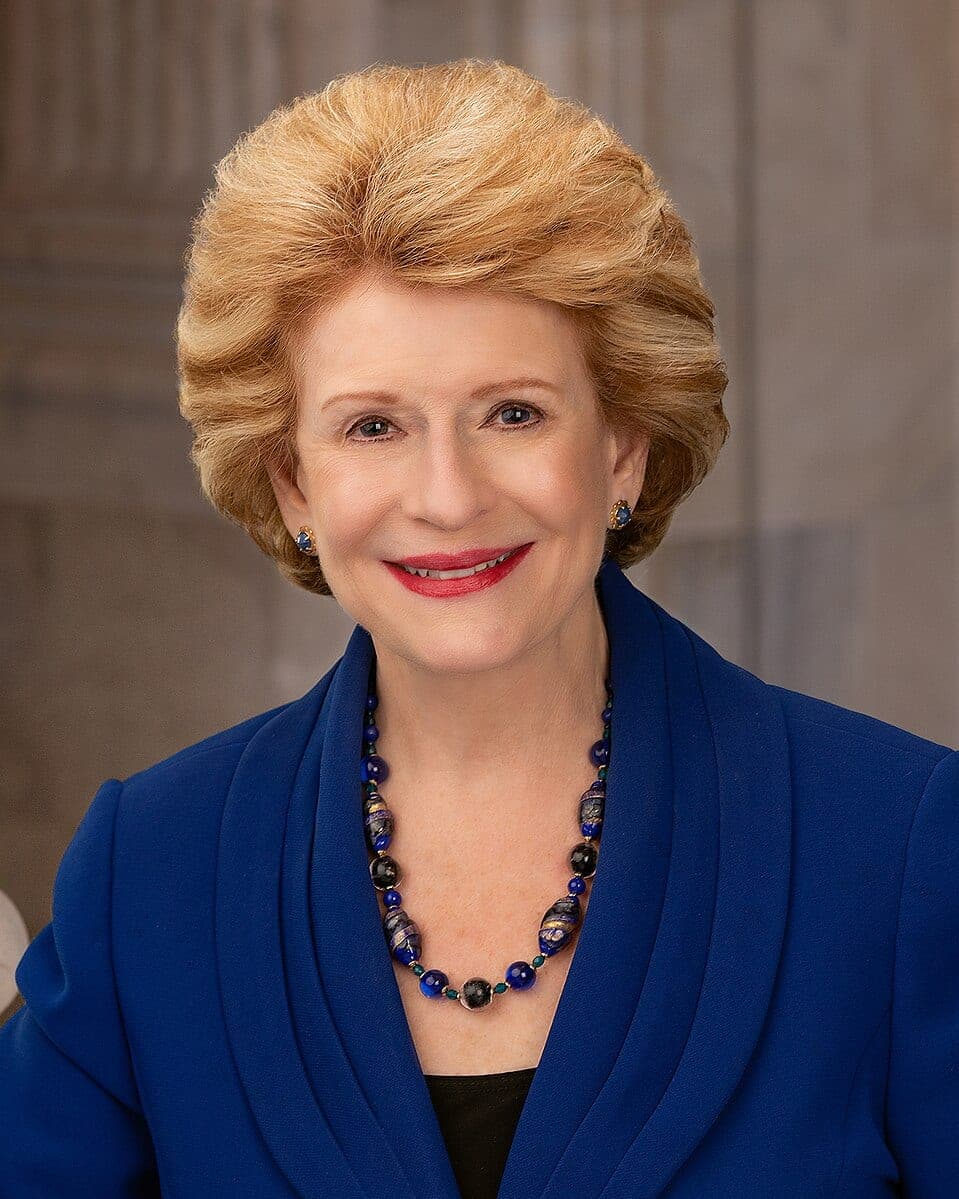
Former senator backing Stevens
Part of a bigger story
10 OUTLETSHaley Stevens is making her record of winning competitive races the centerpiece of her campaign in Michigan’s Democratic Senate primary against Abdul El-Sayed. Center outlets frame the primary as a test of whether Stevens’s electability argument will persuade voters over El-Sayed’s progressive alternative; they present the choice as unresolved.
- ARTICLES
- 10
- OUTLETS
- 10
- AVG CRED
- 86
Discussion · 0
Loading comments…