House expected to vote on bill forcing release of Jeffrey Epstein files
Johnson used a House procedure to bring the bill to a vote, argued against parts of it, and ultimately voted for it.
SOURCE CHECK
TAP FOR WHYCredibility rates Winnipeg Free Press, where this article appeared. The other scores rate the article itself.
The Associated Press is an established wire service with a substantial record of original reporting and editorial standards. The article is clearly attributed to an AP reporter and identifies additional AP contributors.
- Source type — The Associated Press is a major wire service with a strong institutional reporting record.
- Author attribution — The report names an AP reporter and identifies other contributing AP writers.
- Editorial standards — Wire-service reporting generally follows established verification and editing practices.
- Transparency — The article is explicitly labeled as an Associated Press report.
The report gives the vote tally, describes the bill's provisions, and includes competing concerns from supporters and opponents alongside comments from survivors. It provides useful context about the political path to passage, though it offers limited independent detail about the bill's implementation.
HOW WE SCORE ↗The report explains the case for disclosure and includes concerns about exposing information about victims and investigations. It also presents survivor perspectives and the views of lawmakers on both sides, although it gives more attention to passage and proponents than to the opposing argument.
- Source diversity — The report includes lawmakers, survivors, and statements from both supporters and opponents.
- Counterarguments presented — Johnson and Higgins raise privacy and investigation-related concerns about disclosure.
- Omitted context — The report gives limited detail on how the Justice Department would implement the release and redactions.
- Loaded language — Some vivid characterizations appear in attributed quotations; the narration is mostly restrained.
The article reports the bill's passage in a largely factual tone and attributes praise and criticism to the people who expressed them. Its account of resistance and reversal is supported by described events and attributed statements rather than an evident partisan verdict.
- Language tone — The narration is predominantly straightforward and uses attributed quotations for evaluative claims.
- Source selection — The report includes supporters, an opponent, congressional leaders, and survivors.
- Framing — It frames the story around the bill's passage and the political effort surrounding it without an overt partisan argument.
Original publisher not identified
This article credits another publisher, which ChamberLight has not identified, so the scores are Winnipeg Free Press's own.
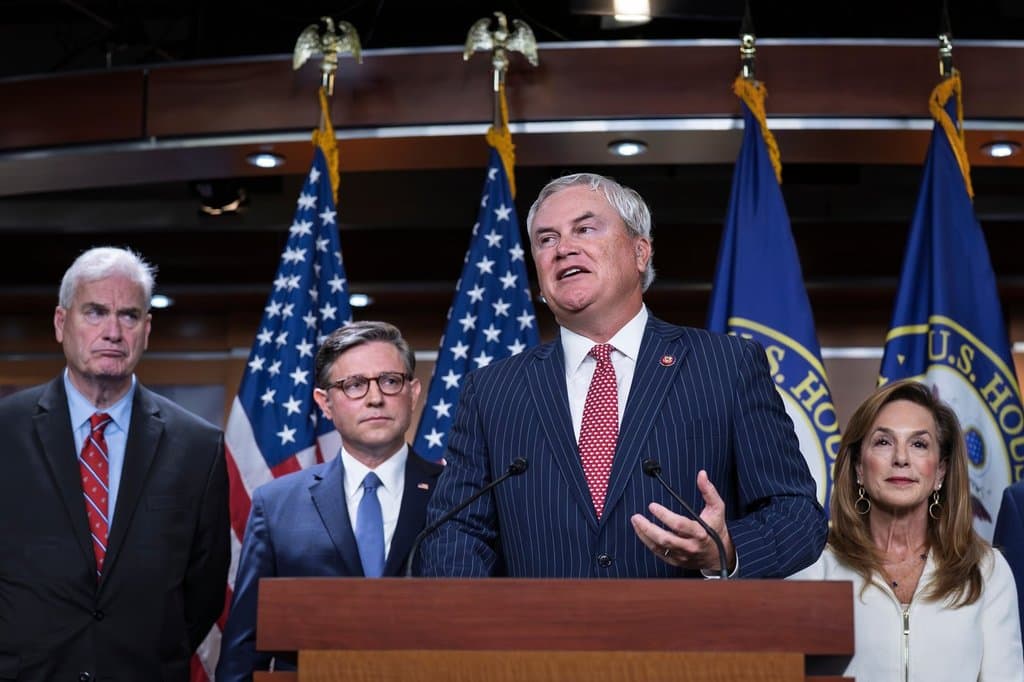
The House passed a bill requiring the Justice Department to release its Epstein-related files, 427-1, and the Senate approved it unanimously. The vote followed months of resistance from President Donald Trump and House Speaker Mike Johnson, both of whom ultimately supported passage.
The bill requires the Justice Department to release Epstein-related files and communications within 30 days, while allowing redactions to protect victims and ongoing investigations. The House vote was 427-1, with Rep. Clay Higgins casting the only opposing vote; the Senate approved the bill by unanimous consent.
Community verdict
32 VOTES
Counts every outlet’s report of this story. See all 15
- Readers of left-leaning coverage: 45% good look
- Readers of right-leaning coverage: not enough votes yet
Votes cast on this page
Votes cast on this page: ▲ 0 · ◆ 0 · ▼ 0
People in this story
SWIPE →Speaker who managed the House vote and raised objections to the bill

President who opposed the disclosure effort before urging Republicans to support the bill
Trump's version of this story ↗
Representative and the sole House member to vote against the bill

Representative and bipartisan co-sponsor who urged senators not to alter the bill
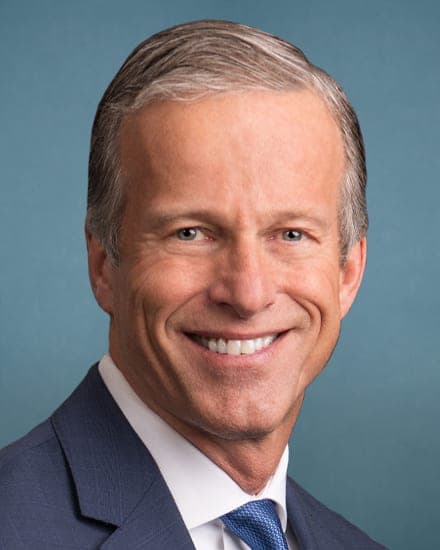
Senate Majority Leader who rejected Johnson's suggestion to amend the bill

Representative who supported the release effort and criticized Trump's resistance

Representative whose signature gave the discharge petition majority support
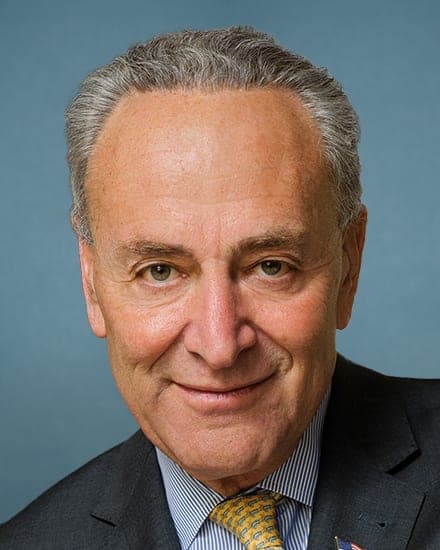
Senate Democratic leader who called for the bill's passage by unanimous consent

Senator who signaled support for the Senate's unanimous-consent passage

Representative and bipartisan co-sponsor who urged senators not to alter the bill
Part of a bigger story
13 OUTLETS- ARTICLES
- 15
- OUTLETS
- 13
- AVG CRED
- 66
Discussion · 0
Loading comments…