The Swalwell Scandal — One of These Things Is Not Like the Others
New allegations have put Swalwell’s California gubernatorial campaign and political future in question.

SOURCE CHECK
TAP FOR WHYWhoWhatWhy is identified as a national news publisher, and the article has a named author and attributes reporting to the San Francisco Chronicle and CNN. Its strongly argumentative presentation makes it important to distinguish its editorial claims from the reporting it cites.
- Source type — Recorded as a national news publisher, supporting a moderate credibility baseline.
- Author attribution — A named author is identified and described as an editor and former congressional reporter.
- Transparency — The article attributes key allegations to named news organizations and quotes Swalwell’s response.
- Editorial standards — The piece uses openly judgmental and partisan language, limiting its value as straight reporting.
The article identifies the reporting behind the allegations and includes Swalwell’s denial, but it is chiefly an argument about partisan standards rather than a balanced examination of the claims. It provides limited independent corroboration or response beyond the cited reports and Swalwell’s statement.
HOW WE SCORE ↗The piece advances a clear argument about partisan double standards and gives much more space to that interpretation than to competing explanations. It includes Swalwell’s denial and his attorneys’ response, but does not substantially examine alternative interpretations or the status of the allegations.
- Counterarguments presented — Includes Swalwell’s denial and his attorneys’ challenge to the accuser’s account, but gives them limited consideration.
- Loaded language — Uses sharply judgmental descriptions of Republicans, Trump and Hegseth.
- Opinion vs reporting — The author openly states a verdict about Swalwell’s future and argues for a partisan interpretation.
- Source diversity — References reporting by two outlets but does not offer a broad range of independent perspectives.
The article strongly favors a Democratic-versus-Republican contrast, condemning Republican responses while presenting Democratic leaders’ reactions as evidence of a higher standard. Its language is explicitly evaluative rather than politically neutral.
- Language tone — Uses condemnatory phrases including “turn a blind eye” and “race to the bottom.”
- Framing — Frames the allegations as evidence of a stark partisan difference in ethical standards.
- Headline — Uses a pointed comparison to frame the scandal as a contrast between political figures.
- Source selection — Relies on allegations and cited reporting while emphasizing examples damaging to Republicans.
WhoWhatWhy argues that newly reported sexual misconduct allegations have ended Rep. Eric Swalwell’s political prospects, noting that prominent Democrats withdrew their endorsements or called on him to leave the California governor’s race. Swalwell denied the allegations and said he would fight them.
The article reports allegations by four women of sexual misconduct by Swalwell, including accounts reported by the San Francisco Chronicle and CNN. It says some allegations include nonconsensual encounters, unsolicited nude photos and unwanted physical contact. Swalwell’s attorneys challenged the main accuser’s account, and Swalwell called the stories politically motivated and “absolutely false,” while alluding to past “mistakes in judgment.”
The author argues that Democrats are responding more forcefully to the allegations than Republicans have to allegations involving Pete Hegseth and Donald Trump. The article notes that Sen. Adam Schiff and Sen. Ruben Gallego withdrew their endorsements and Rep. Nancy Pelosi called for Swalwell to drop out. It predicts that Swalwell will lose the race and may resign from Congress, while contrasting Democratic reactions with Republican support for Trump.
Community verdict
13 VOTES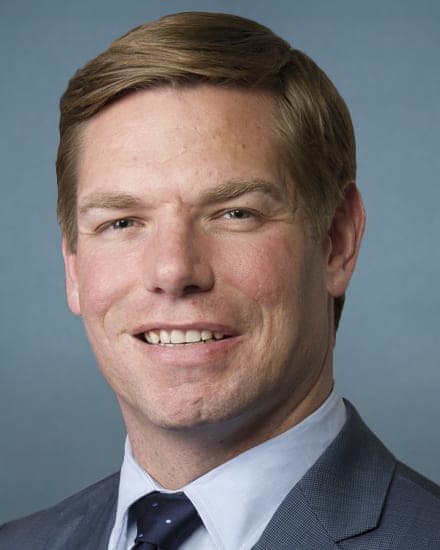
People in this story
SWIPE →Representative and California gubernatorial candidate facing newly reported misconduct allegations

President, discussed as a comparison in the article’s argument about responses to sexual misconduct allegations
Trump's version of this story ↗
Secretary of Defense, discussed as a comparison involving a prior sexual assault allegation and Senate confirmation
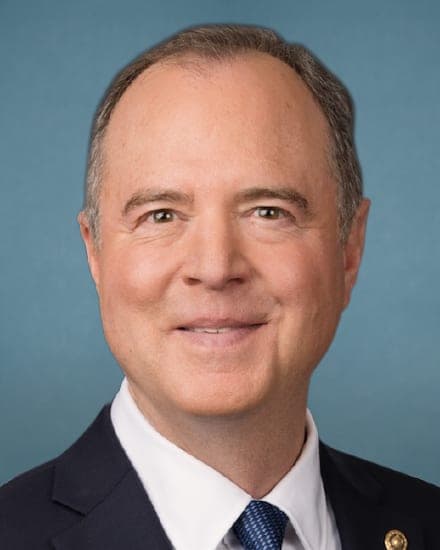
Senator who withdrew his endorsement of Swalwell
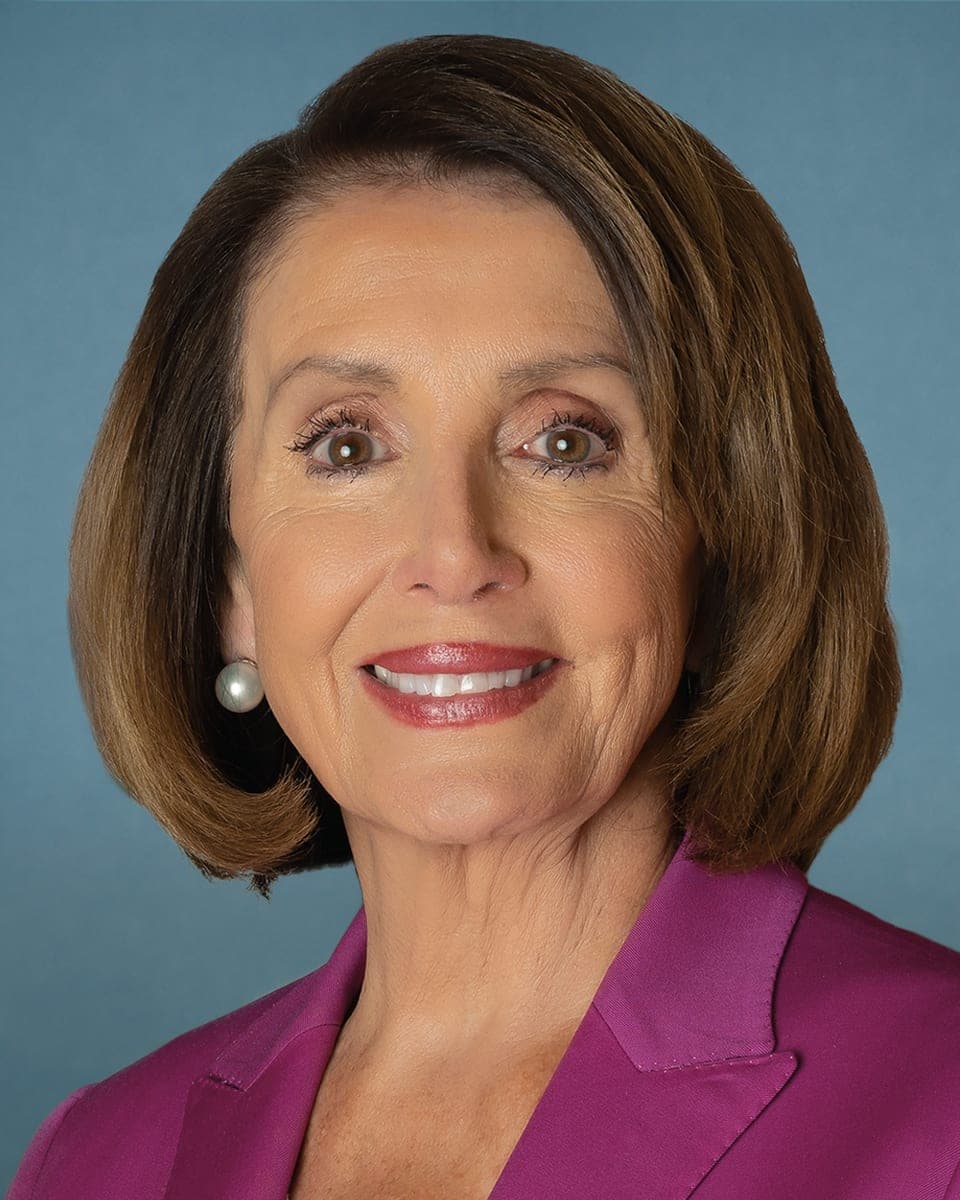
Representative who called for Swalwell to drop out

Former senator cited as an example in a possible defense of Swalwell
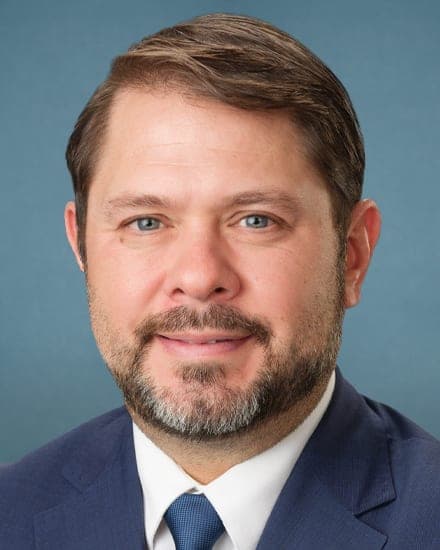
Senator who withdrew his endorsement of Swalwell
Part of a bigger story
68 OUTLETSOutlets report that Eric Swalwell announced he would resign from Congress amid sexual misconduct allegations that he denies; he had also suspended his California gubernatorial campaign. Left-leaning outlets emphasize accountability, political fallout and calls to remove Swalwell, including scrutiny of Democratic allies. Center outlets mainly track the allegations, denials, investigations and official responses as the resignation unfolds. Right-leaning outlets often scrutinize Democrats’ response, contrasting calls to end his campaign with demands that he leave Congress.
- ARTICLES
- 145
- OUTLETS
- 68
- AVG CRED
- 61
Discussion · 0
Loading comments…