WHMI 93.5 Local News : Stevens Criticizes El-Sayed Over Hasan Piker Appearances, Says Voters "Need To Know"
Stevens criticized Abdul El-Sayed’s campaign appearances and discussed her positions and plans as a Senate candidate.
SOURCE CHECK
TAP FOR WHYWHMI is a local news broadcaster with an identified reporter and a direct interview as the basis for the story. The article attributes its claims, though the available information does not establish a detailed corrections record or broader reporting track record.
- Source type — Local news outlet; a reasonable credibility baseline, with limited evidence here about its wider record.
- Author attribution — The article identifies Matthew Hutchison and describes the interview that informs the report.
- Editorial standards — Claims and quotations are attributed to Stevens; the text does not show independent corroboration of most claims.
- Transparency — The story identifies its interview program and notes that El-Sayed did not respond to requests to appear.
The article clearly attributes extensive comments to Stevens and provides campaign context, including the UAW endorsement and El-Sayed’s nonresponse to interview requests. It relies mainly on one candidate’s account and gives no response from El-Sayed or independent examination of the claims.
HOW WE SCORE ↗The story is largely an account of one candidate’s interview and does not include El-Sayed’s response to the criticism. It does provide some context, including the UAW endorsement and the report that El-Sayed had not responded to requests to appear.
- Source diversity — Most substantive claims and quotations come from Stevens alone.
- Counterarguments presented — The article notes El-Sayed had not responded to interview requests but does not present his response to Stevens’s criticism.
- Opinion vs reporting — The article is presented as reporting on an interview, with claims attributed rather than stated as the outlet’s conclusions.
The report primarily presents Stevens’s interview answers with attribution and no clear endorsement of her claims. Its focus on her criticism of a rival reflects the interview’s subject rather than an evident partisan editorial stance.
- Language tone — Mostly descriptive language; critical claims are presented as Stevens’s statements.
- Source selection — Stevens is the principal source, appropriate to a story reporting an interview, though this limits viewpoint range.
- Framing — The headline foregrounds Stevens’s criticism, but the article also covers her broader campaign positions.
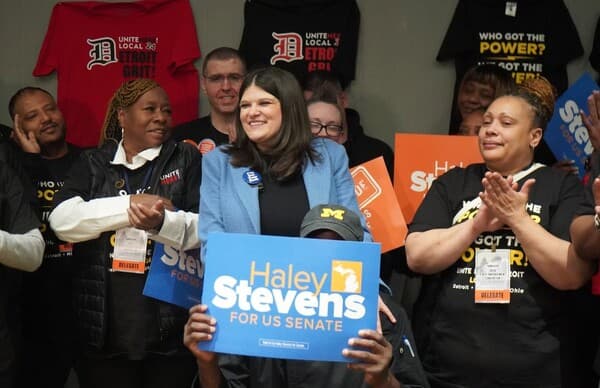
In a WHMI interview, Rep. Haley Stevens criticized Senate rival Abdul El-Sayed for campaigning with Hasan Piker and made her case on manufacturing, health care and other campaign issues. She also discussed the UAW’s endorsement of El-Sayed and her plans for a manufacturing bill if elected.
During a WHMI interview about Michigan’s open Senate seat, Stevens said voters should know El-Sayed is campaigning with Hasan Piker, whose comments have drawn criticism from pro-Israel Democrats and Jewish groups. Stevens described her approach to antisemitism, Israel and humanitarian aid in Gaza.
Stevens said she respects the UAW committee’s endorsement of El-Sayed while emphasizing her ties to auto workers. She also discussed manufacturing, a bill she said she would take to the Senate if elected, health care, and her campaign contrast with Republican candidate Mike Rogers and President Donald Trump.
Community verdict
10 VOTES
People in this story
SWIPE →Representative and Democratic Senate candidate discussing her campaign and criticizing a primary rival
Democratic Senate candidate in the primary

President criticized by Stevens in her campaign contrast with Rogers
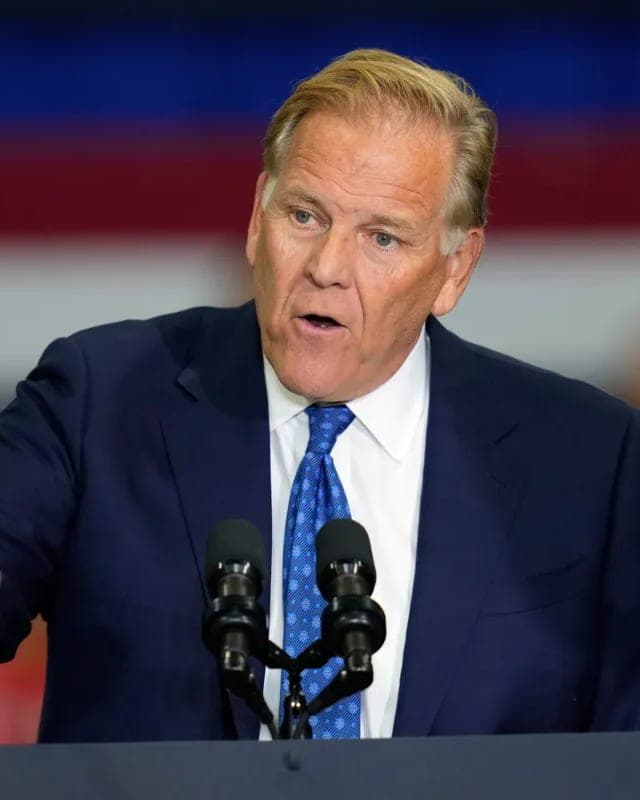
Republican Senate candidate whom Stevens presents as her general-election opponent
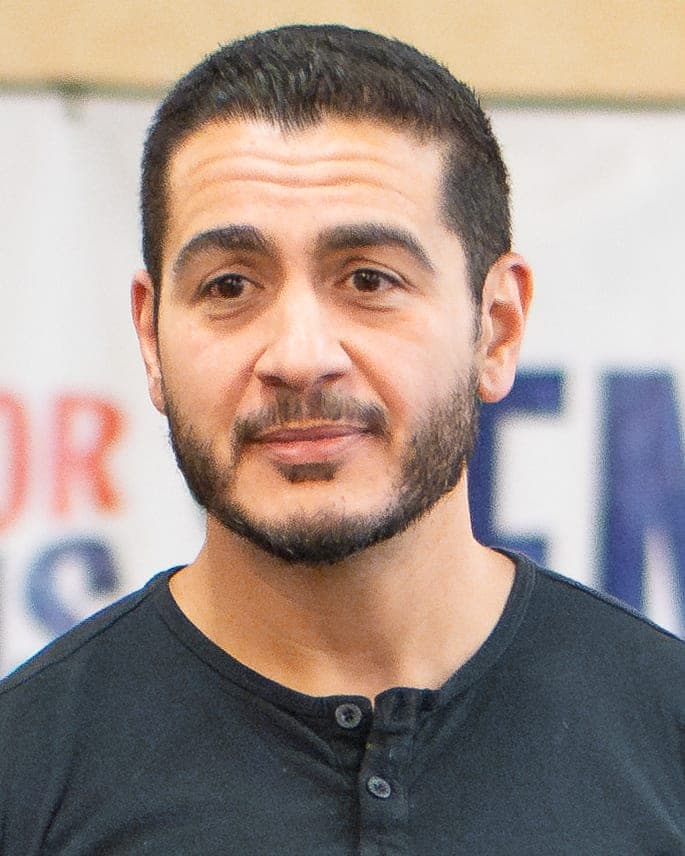
Democratic Senate candidate criticized by Stevens
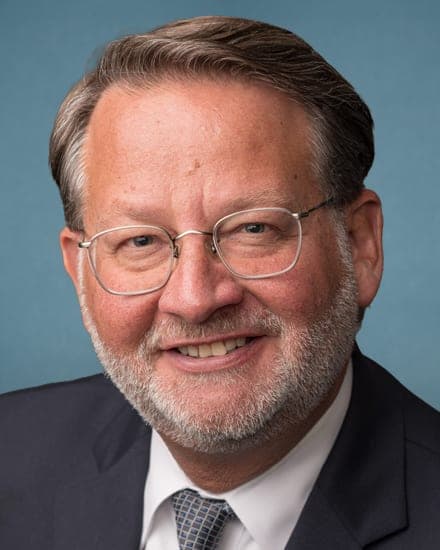
Retiring U.S. senator whose seat is being contested
Discussion · 0
Loading comments…