'Two very different Americas': CAIR criticizes Trump post targeting Michigan Senate candidate Abdul El-Sayed
El-Sayed responded to Trump’s post on CNN, contrasting their visions of America and criticizing the cost of everyday necessities.

SOURCE CHECK
TAP FOR WHYWDIV is an established regional news outlet with named reporters and a stated effort to seek responses from the campaigns and the White House. The article attributes its characterizations to named sources, though it does not include a response from Trump or his representatives.
- Source type — Established local television newsroom; regional reporting outlet.
- Source diversity — Quotes a candidate, a civil-rights organization executive and an academic; says it sought responses from the campaigns and White House.
- Author attribution — Two reporters are named in the article metadata.
The report identifies the post’s content and includes attributed reactions from the candidate, a civil-rights organization and an academic. It says the relevant campaigns and White House were contacted, but no response from Trump or his representatives appears in the article.
HOW WE SCORE ↗The report presents the criticism and El-Sayed’s response, and it includes an academic’s explanation of the broader issue. Trump’s or the White House’s perspective is absent, though the article says the White House was contacted.
- Counterarguments presented — No response from Trump or the White House is included; the article says a response was requested.
- Source diversity — Several named sources offer critical perspectives, alongside El-Sayed’s response.
- Opinion vs reporting — The article attributes evaluative claims rather than presenting them as its own conclusions.
The report uses a straightforward news format and attributes critical interpretations of Trump’s post to named sources. It also includes El-Sayed’s response and states that WDIV sought comment from Trump’s representatives.
- Language tone — Mostly descriptive language; critical characterizations are attributed to sources.
- Source selection — Includes El-Sayed and two critics of the post, while noting that responses were sought from Trump’s representatives.
- Framing — Frames the story around CAIR’s criticism and El-Sayed’s response, without overt editorial argument.
CAIR criticized President Donald Trump’s post contrasting him and the first lady with Michigan Senate candidate Abdul El-Sayed and his wife. El-Sayed responded on CNN, while a University of Michigan professor said the post fit a broader pattern of messaging about Muslims and who is seen as American.
The post showed Trump and the first lady alongside El-Sayed and his wife under the headline “Two VERY DIFFERENT America’s,” and used El-Sayed’s full name. CAIR Michigan executive director Dawud Walid described that wording as a familiar political tactic.
El-Sayed responded on CNN by contrasting Trump’s vision of America with questions about the cost of gas and groceries, and made a remark about the couples’ relationships. University of Michigan political science professor Nazita Lajevardi said the post invoked messaging about Muslims as insiders or outsiders, and said research found such language can mobilize its targets into politics. WDIV said it sought responses from the El-Sayed and Mike Rogers campaigns and the White House, but had not received them.
Community verdict
11 VOTES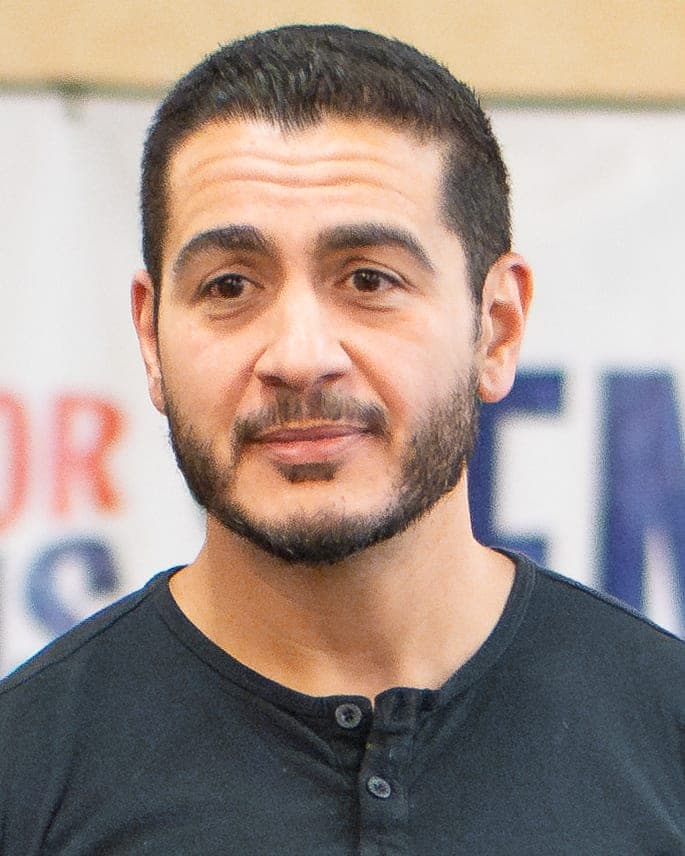
People in this story
SWIPE →
President whose post prompted criticism
Trump's version of this story ↗Michigan Senate candidate whose campaign was contacted for comment
Part of a bigger story
3 OUTLETSThe articles report that Trump posted a message contrasting his vision of America with Abdul El-Sayed’s, and that El-Sayed responded by stressing differences between their visions. Center outlets focus on El-Sayed’s response and competing visions, with coverage also emphasizing affordability and, in one article, discussion of Muslim representation.
- ARTICLES
- 3
- OUTLETS
- 3
- AVG CRED
- 82
Discussion · 0
Loading comments…