House approves bill to release Epstein files, heads to Senate for review
Johnson backed moving the bill forward while arguing that amendments should protect victims and others.
SOURCE CHECK
TAP FOR WHYCredibility rates WCBM News-Talk Radio, which republished this story. The other scores rate the article itself.
WCBM is a local news publisher, but the TNND byline indicates this is desk-produced or distributed reporting rather than clearly original local journalism. The story attributes its central claims to a vote, public statements and a press conference, though the page provides limited information about the reporting process or corrections.
- Source type — Local news publisher; a reasonable baseline, but not enough information here to establish a strong institutional record.
- Author attribution — The article carries a TNND desk attribution rather than a named reporter.
- Transparency — The text identifies the speakers and settings for key statements, but gives little detail about the reporting process.
- Editorial standards — The page offers no visible evidence here about corrections practices or editorial standards.
The article gives the vote tally, identifies the lone dissenter and presents statements from both supporters and people seeking safeguards. It offers little independent context about the bill’s provisions or the views of survivors beyond noting that some urged passage.
HOW WE SCORE ↗The report presents both the case for releasing the files and concerns about protecting victims and other people, with multiple lawmakers’ positions represented. It gives little detail from survivors or other independent sources, leaving some context underdeveloped.
- Counterarguments presented — Reports Higgins’s privacy concerns and Johnson’s call for protections alongside support for release.
- Source diversity — Includes statements from members on different sides of the bill and notes that survivors urged passage, but does not quote survivors.
- Omitted context — Provides limited explanation of the bill’s scope and how the proposed protections would work.
- Loaded language — Most evaluative terms are attributed to Johnson or Higgins rather than presented as the article’s own judgment.
The article reports the vote and competing statements in largely neutral language. It does not adopt either the transparency argument or the privacy concerns as its own conclusion.
- Language tone — Mostly descriptive language with no evident partisan labels or mockery.
- Source selection — Includes comments from opponents seeking safeguards, supporters of disclosure and the President.
- Framing — The story centers on the House vote and next steps rather than arguing for or against release.
- Headline — The headline describes the vote and the bill’s path to the Senate without an evaluative claim.
Republished with credit
Republished from Foxbaltimore, with credit to the original publisher.
Not enough stories yet: 3 of 10.
The House approved a bill to require release of the Justice Department’s Jeffrey Epstein files, 427-1, with the measure now headed to the Senate. Rep. Clay Higgins cast the lone no vote, citing privacy risks; Speaker Mike Johnson voted yes while urging amendments to protect victims and others.
The House approved a bill requiring the Justice Department to release files related to its investigation of Jeffrey Epstein within 30 days, with victims’ names redacted. The vote was 427-1; Rep. Clay Higgins was the only Republican to vote no and said broad disclosure could harm people not accused of crimes.
Speaker Mike Johnson voted for the bill but called it flawed and said he hoped the Senate would amend it to protect victims and whistleblowers. Reps. Thomas Massie and Ro Khanna had pushed for release of the files, and Rep. Adelita Grijalva’s signature on a discharge petition helped bring the measure to a vote. President Donald Trump said he would sign it if it reached his desk. The bill now goes to the Senate.
Community verdict
37 VOTES
Counts every outlet’s report of this story. See all 2
Votes cast on this page
Votes cast on this page: ▲ 22 · ◆ 9 · ▼ 6
People in this story
SWIPE →
Representative who cast the sole no vote on the bill
Higgins's version of this story ↗
President who said he would sign the bill if it reached him

Representative who had pushed to release the files
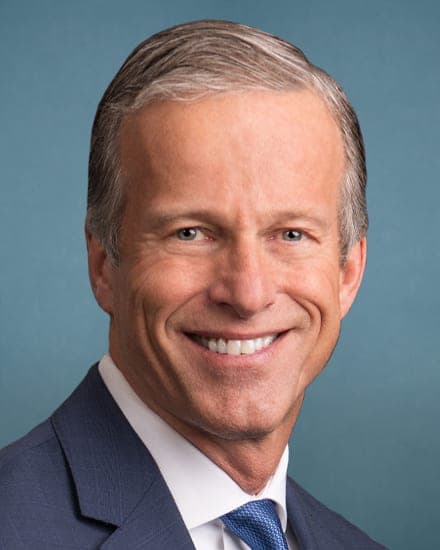
Senate majority leader whom Johnson contacted about possible amendments

Representative whose signature on the discharge petition brought it to the required threshold

Representative who had pushed to release the files
Part of a bigger story
2 OUTLETS- ARTICLES
- 2
- OUTLETS
- 2
- AVG CRED
- 77
Discussion · 0
Loading comments…