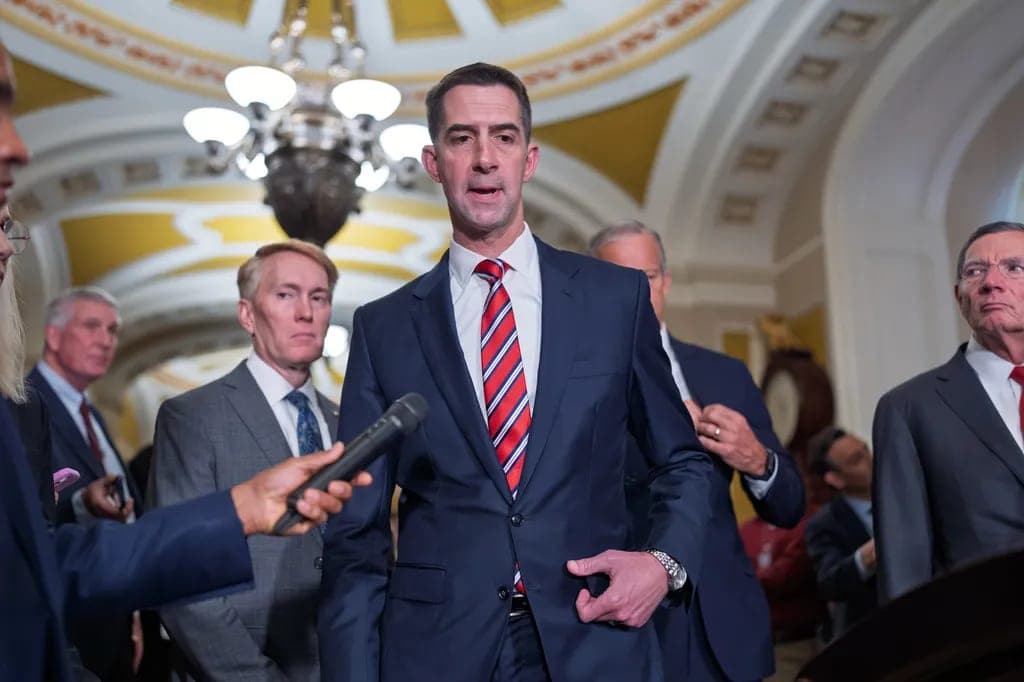
Trump releases Tom Cotton’s cellphone number over daylight savings bill
Trump shared Cotton’s personal number and called on Arkansans to urge the senator to support the bill.
SOURCE CHECK
TAP FOR WHYThe Washington Examiner is an established national news outlet with an identifiable reporter. Its institutional credibility is tempered by its partisan orientation, though this article attributes its central claims to public statements and provides basic legislative context.
- Source type — An established national news outlet, with partisan orientation as a consideration.
- Author attribution — A named reporter is credited.
- Transparency — The article attributes key claims to public Truth Social posts and supplies legislative details.
- Editorial standards — The publisher has an identifiable newsroom, though the article provides little information about corrections practice.
The report includes direct quotations, identifies Cotton’s stated reason for opposing the measure, and gives the House vote and Senate schedule. It offers limited source diversity and no direct response from Cotton to Trump’s publication of his number.
HOW WE SCORE ↗The report presents Trump’s case for the bill and Cotton’s stated objection, along with the bill’s status. It does not include Cotton’s response to Trump sharing his personal number or additional independent perspectives on the dispute.
- Counterarguments presented — Reports Cotton’s safety concerns as well as Trump’s arguments for changing the clocks.
- Source diversity — Relies mainly on the two politicians’ statements and provides no outside expert or stakeholder views.
- Omitted context — Does not report Cotton’s response to the release of his personal number.
- Loaded language — The article’s framing is mostly factual; charged wording appears in attributed quotations.
The article reports Trump’s pressure campaign and Cotton’s opposition in largely descriptive language. It includes arguments attributed to both men without clearly endorsing either position.
- Language tone — Mostly descriptive wording, with evaluative phrases attributed to Trump.
- Source selection — Quotes Trump’s posts and reports Cotton’s stated rationale for opposing the measure.
- Framing — Centers the phone-number disclosure and the legislative dispute without an explicit editorial conclusion.
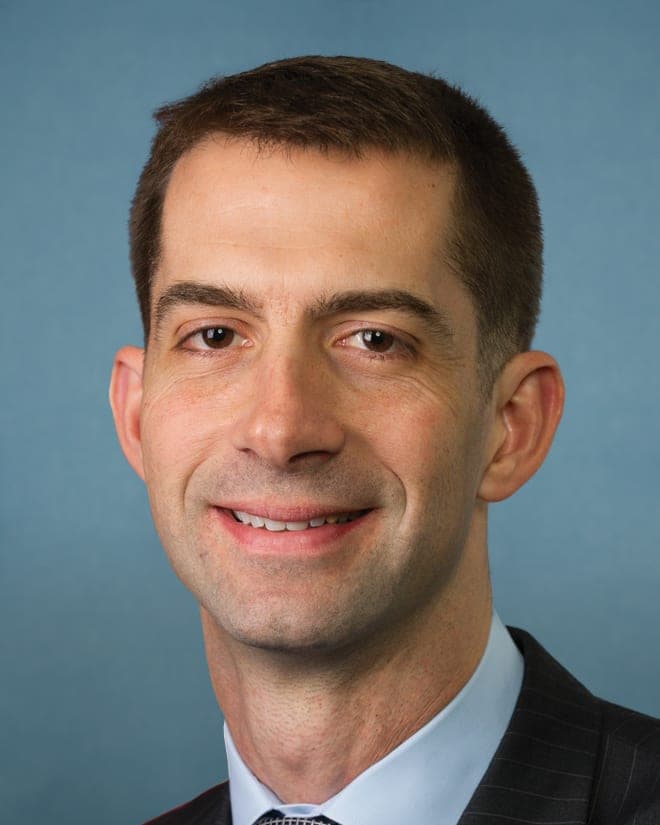
President Donald Trump published Sen. Tom Cotton’s cellphone number and urged Arkansans to call him in support of the Sunshine Protection Act. The bill passed the House but is stalled in the Senate, where Cotton opposes it.
Trump posted Cotton’s personal cellphone number on Truth Social and asked people in Arkansas to contact the senator to urge passage of the Sunshine Protection Act. Trump has continued pressing for Senate action, arguing that ending the twice-yearly clock changes would benefit the country.
The act would end daylight saving time. It passed the House 308-117 on July 14, but there is no Senate debate or vote scheduled. Cotton opposes the measure, citing possible risks to children and commuters from later winter sunrises; the Senate is set to return on Nov. 9 after the midterm election.
Community verdict
9 VOTES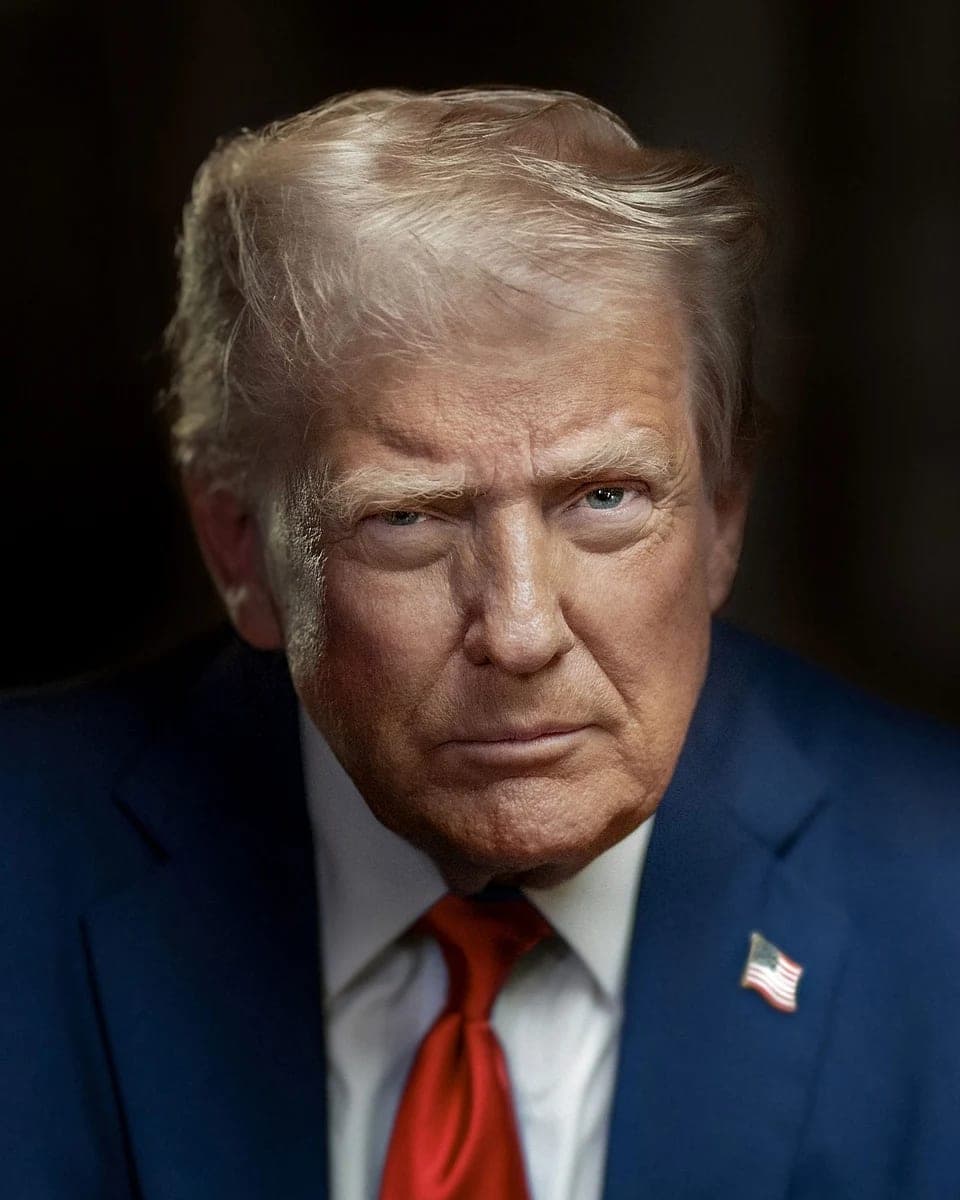
People in this story
SWIPE →President who published Cotton’s cellphone number and urged calls for the bill
Part of a bigger story
50 OUTLETSOutlets agree that Trump posted a number he identified as Sen. Tom Cotton’s and urged Arkansans to contact him in support of permanent daylight saving time. The House had passed the measure, but it remained stalled in the Senate. Left-leaning outlets focus on the phone-number post as a pressure tactic and its fallout, often criticizing Trump’s conduct. Center outlets largely recount the policy dispute, Cotton’s objections, and the phone-number post in descriptive terms. Right-leaning outlets emphasize Trump’s push to advance the bill and Cotton’s opposition, while also reporting the post and criticism it drew.
- ARTICLES
- 75
- OUTLETS
- 50
- AVG CRED
- 68
Discussion · 0
Loading comments…