The next Senator from South Carolina
The article contrasts Graham’s foreign-policy role with his record of delivering projects and constituent services for South Carolina.

SOURCE CHECK
TAP FOR WHYThe Washington Examiner is an established national outlet with an identifiable author, though its partisan orientation makes it less suitable for the highest credibility range. Byron York’s byline and the article’s attributed quotations and poll details provide some transparency about sourcing.
- Source type — An established national publication; its partisan character warrants some caution.
- Author attribution — The article identifies Byron York as its author.
- Transparency — It names a former staffer and identifies the pollster and the poll's reported results.
- Editorial standards — The publication has an established editorial operation, but the article is interpretive rather than straight news.
The article includes direct candidate quotations, an attributed account from a former staffer, and specific polling figures. Its central explanation relies partly on anecdotal impressions and offers limited evidence for how broadly voters prioritize state projects over foreign policy.
HOW WE SCORE ↗The article includes all three leading candidates’ views and polling on support for military action, but its organizing argument is that Graham’s successors will depart from his foreign-policy focus. It provides little direct examination of competing interpretations of that contrast.
- Source diversity — Includes statements from the three leading candidates, a former staffer and polling results.
- Counterarguments presented — Notes that voters and candidates support Trump’s military actions, qualifying the main argument.
- Framing — The article is structured around the claim that the next senator will not emulate Graham’s foreign-policy role.
- Omitted context — Offers limited evidence about voters’ views beyond the cited poll and anecdotal observations.
The article is mostly explanatory, but its emphasis on the candidates’ conservative priorities and its contrast between those priorities and Lindsey Graham’s foreign-policy focus give it a slight rightward tilt. It does not use strongly partisan language.
- Framing — Frames the likely candidates’ domestic priorities favorably against Graham’s focus on foreign affairs.
- Source selection — Uses candidate statements and a former Graham staffer’s account, with limited outside perspectives.
- Language tone — Mostly measured, though the description of Graham as a senator who liked war is pointed.
South Carolina Republicans are choosing a Senate nominee to succeed Lindsey Graham, with Darline Graham, Ralph Norman and Russell Fry presented as leading contenders. The article argues the next senator would focus less on foreign policy and highlights the candidates’ priorities alongside Graham’s record of delivering projects for the state.
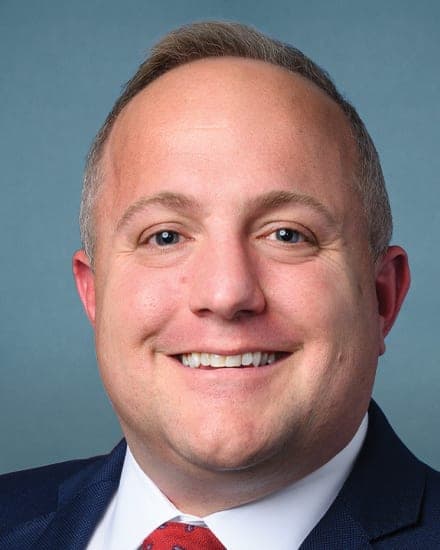
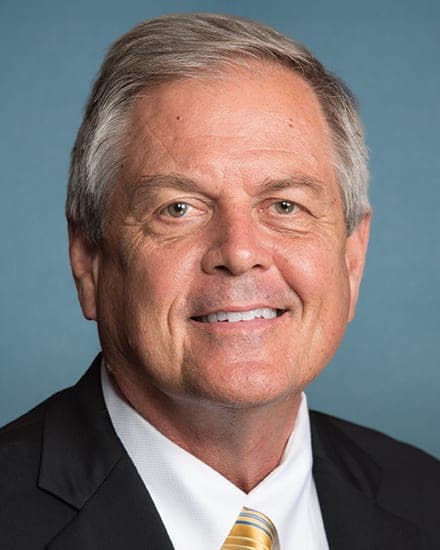
The article identifies Darline Graham, Ralph Norman and Russell Fry as the leading contenders in the Republican Senate primary to replace Lindsey Graham. It argues that whoever wins is unlikely to take on Lindsey Graham’s prominent role in foreign policy and military conflicts, and suggests his ability to deliver projects and constituent services helped him win reelection. Former staffer Kevin Bishop credits Graham with helping advance the Port of Charleston deepening project and other state projects.
Darline Graham has said she would focus more on issues such as grocery and gas prices, health care and insurance. Fry’s debate closing statement called for passing the Save America Act, increasing energy production and protecting Second Amendment rights, among other priorities; Norman emphasized his conservative record and support for Trump. The article also reports that an Emerson poll in late July found 73% of eligible primary voters supported U.S. military action in Iran, while 20% opposed it.
Community verdict
8 VOTES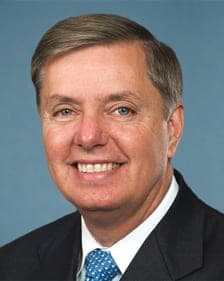
People in this story
SWIPE →Former senator whose record is a point of comparison for the candidates

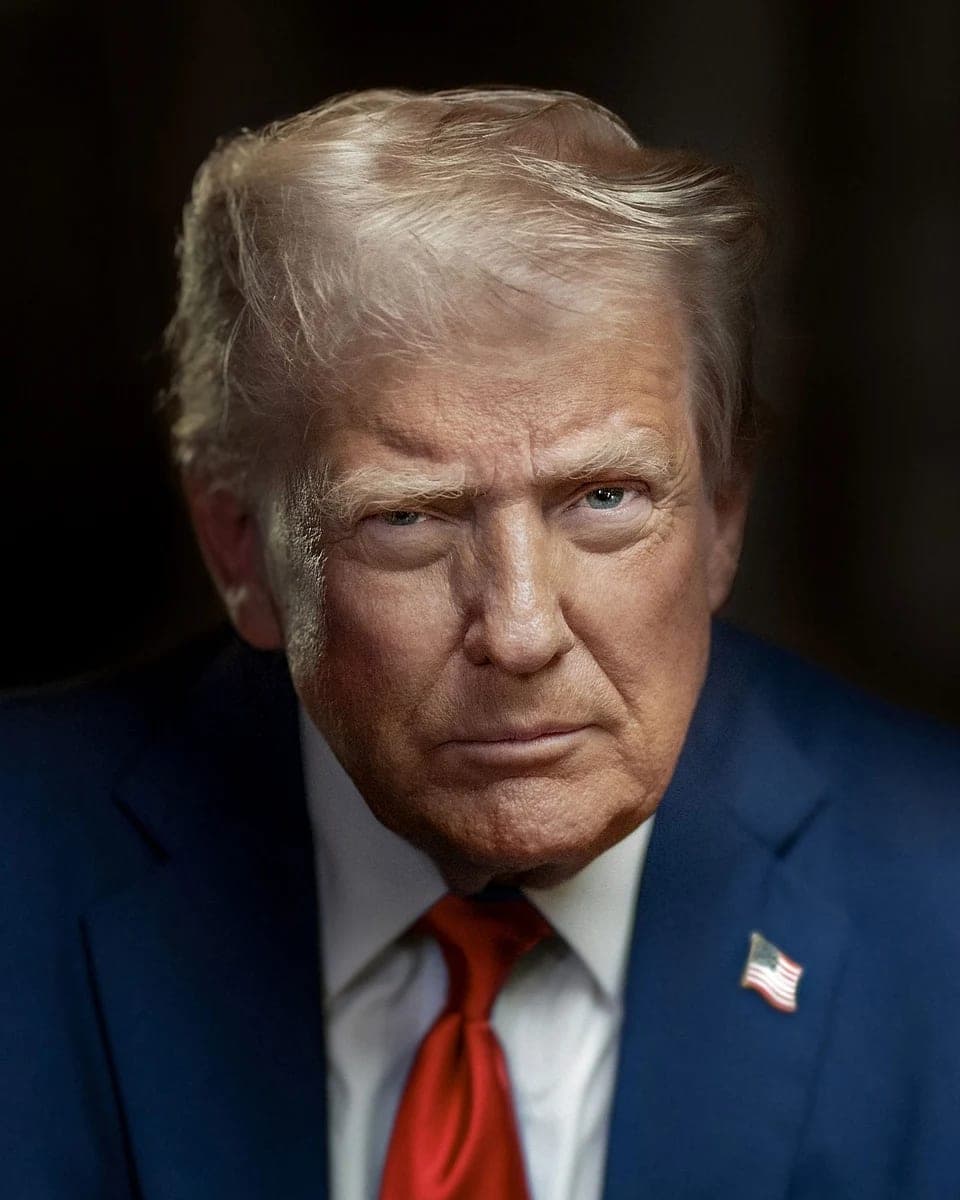
President discussed in connection with the candidates’ support and Graham’s foreign-policy record
Discussion · 0
Loading comments…