Elizabeth Warren endorsement adds to Abdul el Sayed's progressive bona fides
Warren endorsed el Sayed and praised his positions on corporate money and healthcare.

SOURCE CHECK
TAP FOR WHYThe Washington Examiner is an established national outlet with a recognizable editorial operation, though its institutional record and framing warrant more caution than those of the strongest outlets. The article attributes Warren’s remarks and cites campaign finance filings, but gives limited detail about its polling claim.
- Source type — Established national news publisher.
- Editorial standards — A staffed newsroom and identifiable publication provide some editorial accountability.
- Author attribution — The article names an author.
- Transparency — It cites FEC filings but does not identify the polling source in the article text.
The article includes Warren’s direct remarks and finance figures attributed to FEC filings, but provides little sourcing or methodology for its polling claim and limited context beyond endorsements and campaign finances.
HOW WE SCORE ↗The article includes Warren’s rationale and el Sayed’s union support, as well as polling and fundraising information suggesting Stevens is ahead. It offers little detail on the polling or the candidates’ competing arguments, and its framing singles out possible embarrassments for Warren.
- Counterarguments presented — The article notes polling and outside spending favoring Stevens but does not include her response or campaign rationale.
- Source diversity — It combines Warren’s statements with campaign finance filings and polling claims, but has few distinct sources.
- Loaded language — The “bad omen” and “embarrassments” framing is evaluative.
- Opinion vs reporting — The piece is reported as news, though some framing is interpretive.
The report is mostly factual, but its headline and section framing cast Warren’s endorsement as a potential liability and emphasize past setbacks among candidates she backed.
- Language tone — The phrase “bad omen” gives the account a critical edge.
- Framing — The report connects Warren’s endorsement to prior candidates’ losses and political difficulties.
- Headline — The headline emphasizes Warren’s endorsement as a boost to el Sayed’s progressive credentials, while the body also stresses potential drawbacks.
Elizabeth Warren endorsed Abdul el Sayed in Michigan’s Democratic Senate primary, praising his stance on corporate money and healthcare. The race also features Haley Stevens, who recent polling cited in the article showed leading el Sayed.
Warren endorsed el Sayed in a video, describing him as the only candidate in the race not taking corporate money and praising his healthcare priorities. She also pointed to his support from the United Auto Workers and other unions..
Community verdict
15 VOTES
People in this story
SWIPE →Senator endorsing Abdul el Sayed in Michigan’s Democratic Senate primary

Representative and Democratic Senate candidate in Michigan
Former Democratic Senate candidate in Michigan
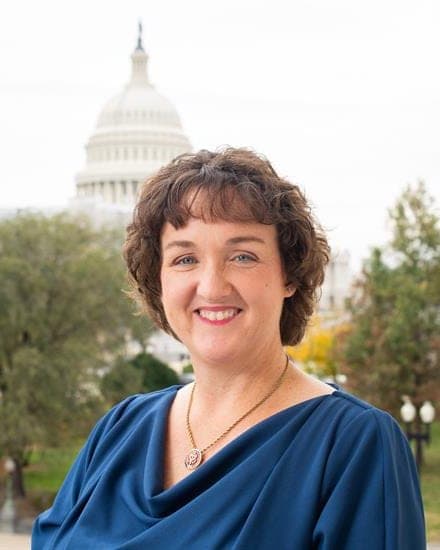
Former representative and California gubernatorial candidate cited as a past Warren endorsee

Senator who backed el Sayed and joined him at campaign rallies
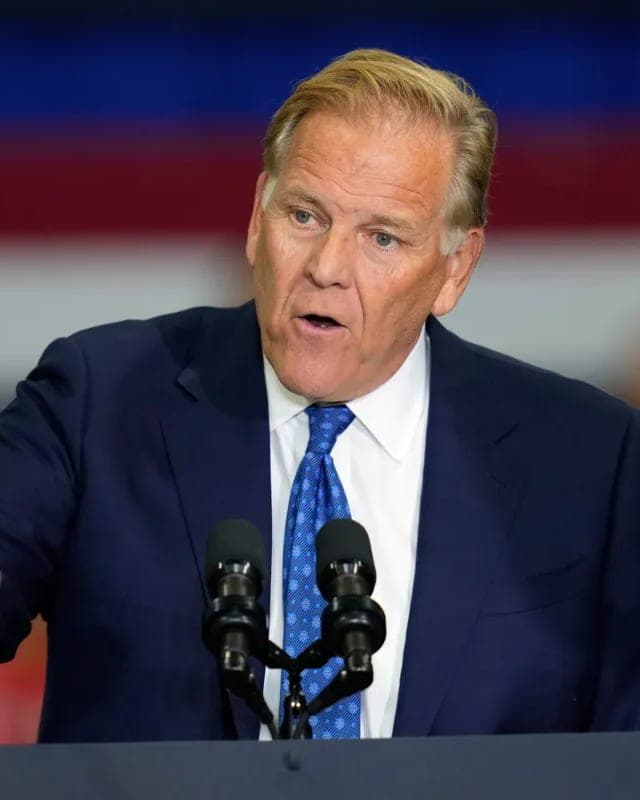
Presumptive Republican nominee for Senate in Michigan
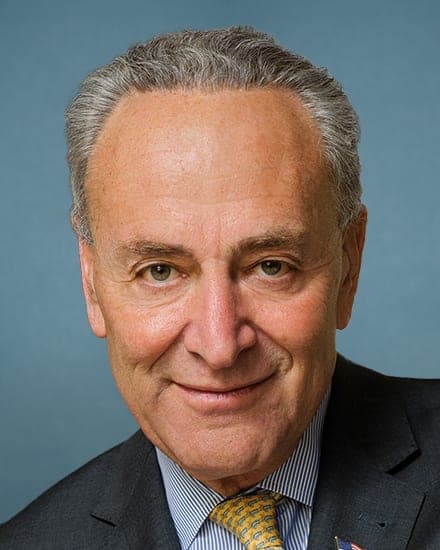
Senate Minority Leader backing Stevens
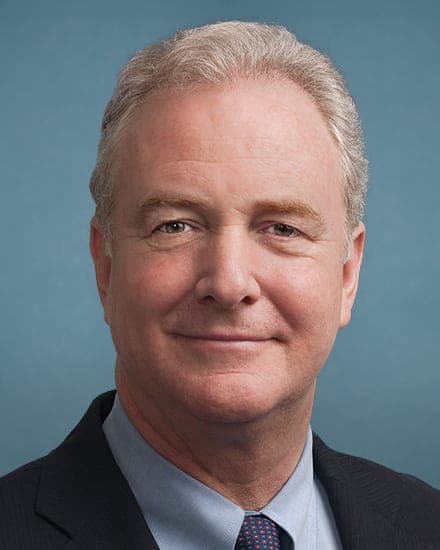
Senator backing el Sayed

Representative backing el Sayed
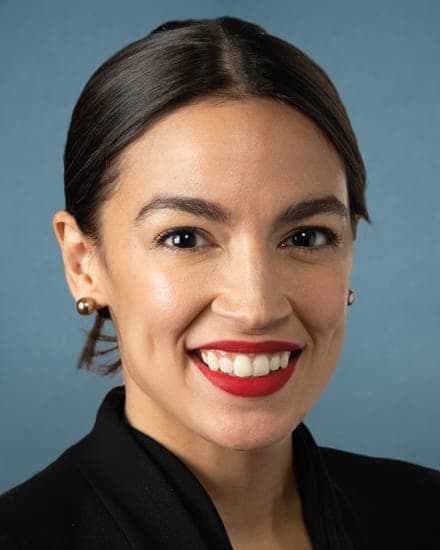
Representative who endorsed el Sayed and joined him at campaign rallies

Former Maine Senate candidate cited as a past Warren endorsee

Representative backing el Sayed
Part of a bigger story
6 OUTLETSElizabeth Warren endorsed Abdul El-Sayed in Michigan’s Democratic Senate primary, while Chuck Schumer backed Haley Stevens. The endorsements highlighted divisions over the race and the Democratic Party’s direction. Center outlets describe a divide between Democratic moderates and progressives. Right-leaning outlets focus more on criticism of El-Sayed’s progressive politics and, in some coverage, backlash to Warren’s endorsement.
- ARTICLES
- 7
- OUTLETS
- 6
- AVG CRED
- 58
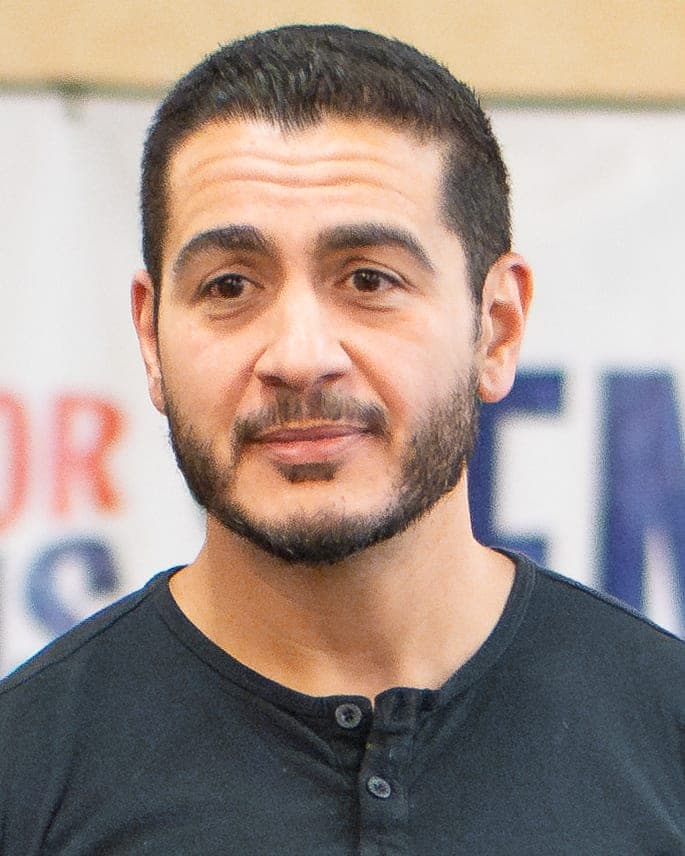
Discussion · 0
Loading comments…