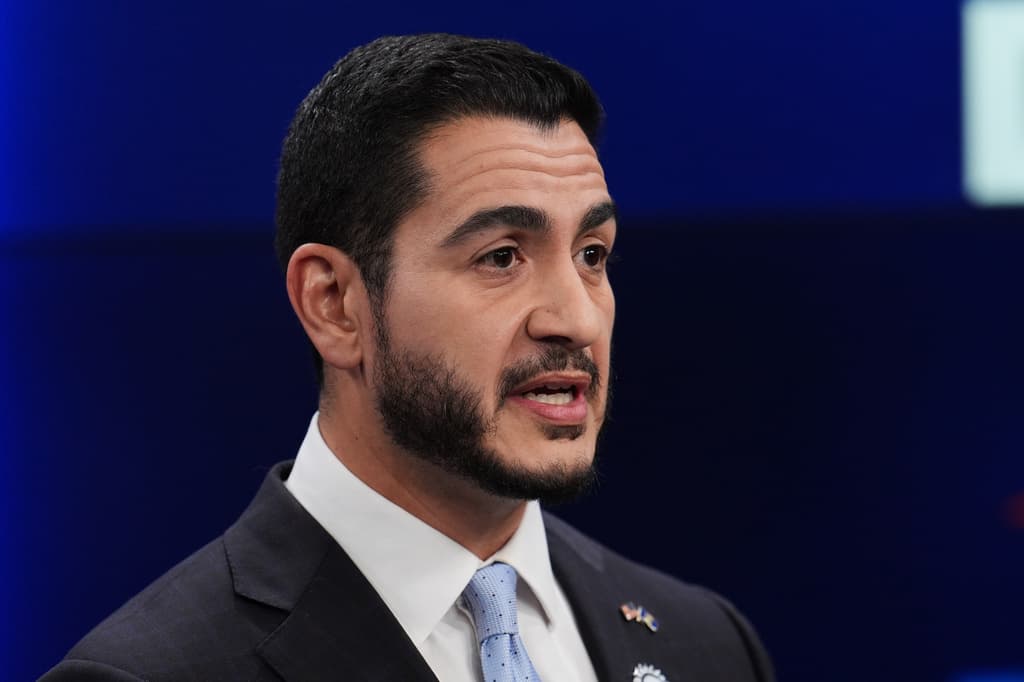
El Sayed dodges question on whether Israel or Iran poses greater threat to US: ‘Both of them have proven dangerous in their own way’
Rogers criticized el Sayed during the debate and said it was time to end the war, after previously supporting the U.S. campaign against Iran.
SOURCE CHECK
TAP FOR WHYThe Washington Examiner is an established national outlet with named authors and identifiable news coverage. Its institutional credibility is somewhat tempered by its pronounced political orientation.
- Source type — Established national news outlet with a substantial publishing operation.
- Author attribution — A named reporter is credited.
- Editorial standards — The article presents itself as news reporting and attributes key claims to debate participants.
- Track record — A recognized outlet, though its conservative orientation warrants some caution about institutional neutrality.
The article uses direct quotations from the debate and identifies the candidates' contrasting statements. It offers limited independent sourcing or context to substantiate broader claims about the conflict and the candidates' political coalitions.
HOW WE SCORE ↗The article includes both candidates' remarks and el Sayed's response to Trump's attack, but devotes substantial attention to criticism of el Sayed without comparable context for his positions or Rogers's record.
- Source diversity — Both candidates' debate statements appear, alongside reporting on Trump's attack and el Sayed's response.
- Counterarguments presented — El Sayed's opposition to involvement in the conflict is included, but competing explanations of the candidates' positions receive little context.
- Omitted context — The article does not substantially explore the underlying arguments about the conflict or the candidates' broader records.
- Loaded language — The headline's use of “dodges” frames el Sayed's response critically, while most charged terms are attributed to speakers.
The report is largely factual but frames el Sayed as evading the question and emphasizes criticism of his positions and associations. That selection gives the coverage a modestly right-leaning cast.
- Headline — The headline characterizes el Sayed's answer as dodging the question.
- Framing — The article emphasizes political sensitivity and questions about whether el Sayed can appeal to centrist Democrats.
- Source selection — It includes Rogers's criticism of el Sayed and criticism from some Jewish Democrats.
- Language tone — Most of the report remains descriptive and attributes charged language to its speakers.
At a Michigan Senate debate, Abdul el Sayed declined to say whether Israel or Iran posed the greater threat to the United States, saying both had shown they could cause harm. The exchange highlighted foreign policy as a point of contention in the competitive race.
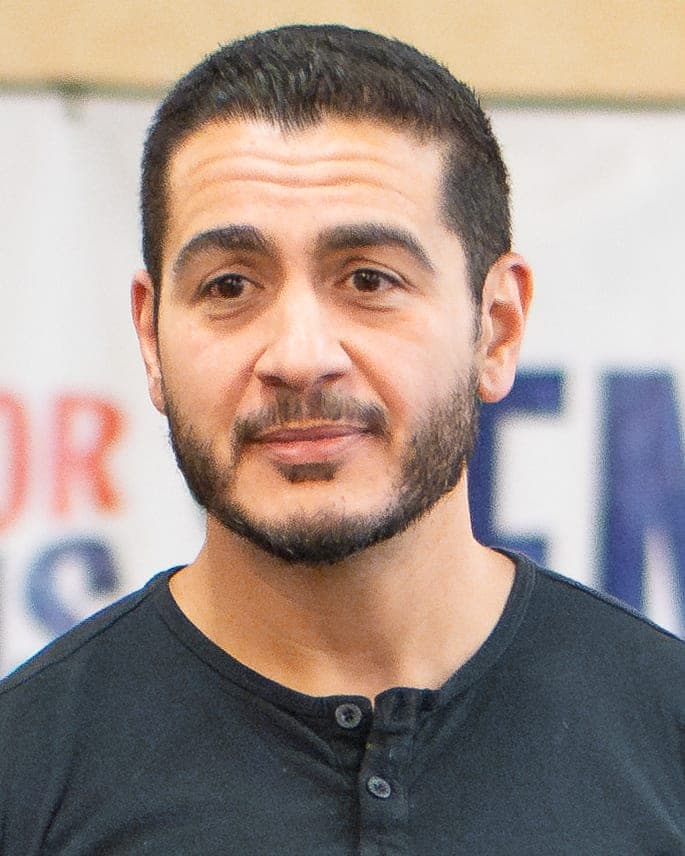
During a debate in Grand Rapids, Democratic Senate nominee Abdul el Sayed called the question of whether Israel or Iran posed the greater threat a “ridiculous hypothetical.” He said the United States should not be drawn into a war with either country and argued that tax dollars should be spent on domestic priorities. He accused Israel of lobbying the United States toward war with Iran and pointed to disruptions to global energy supplies.
Republican candidate Mike Rogers criticized el Sayed for not marking the anniversary of the Hamas attack on Israel and said it was time to end the war, despite having supported the U.S. campaign against Iran. The article also reported that President Donald Trump had attacked el Sayed earlier that day; el Sayed responded on social media, accusing Trump of using his name and faith to distract voters.
Community verdict
VOTING CLOSED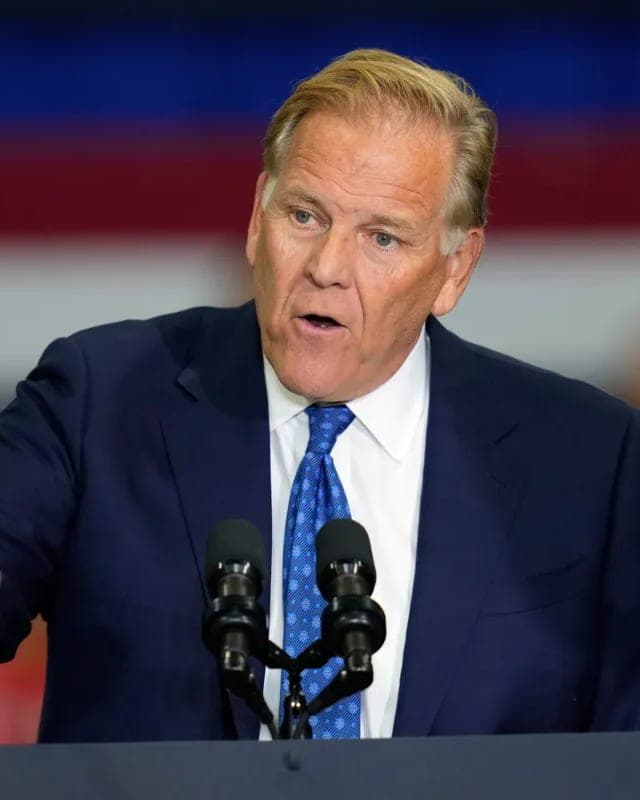
No good or bad look here
This story reports what happened without casting Rogers in a good or bad light, so readers don’t rate it and it doesn’t count toward Rogers’s record.
People in this story
SWIPE →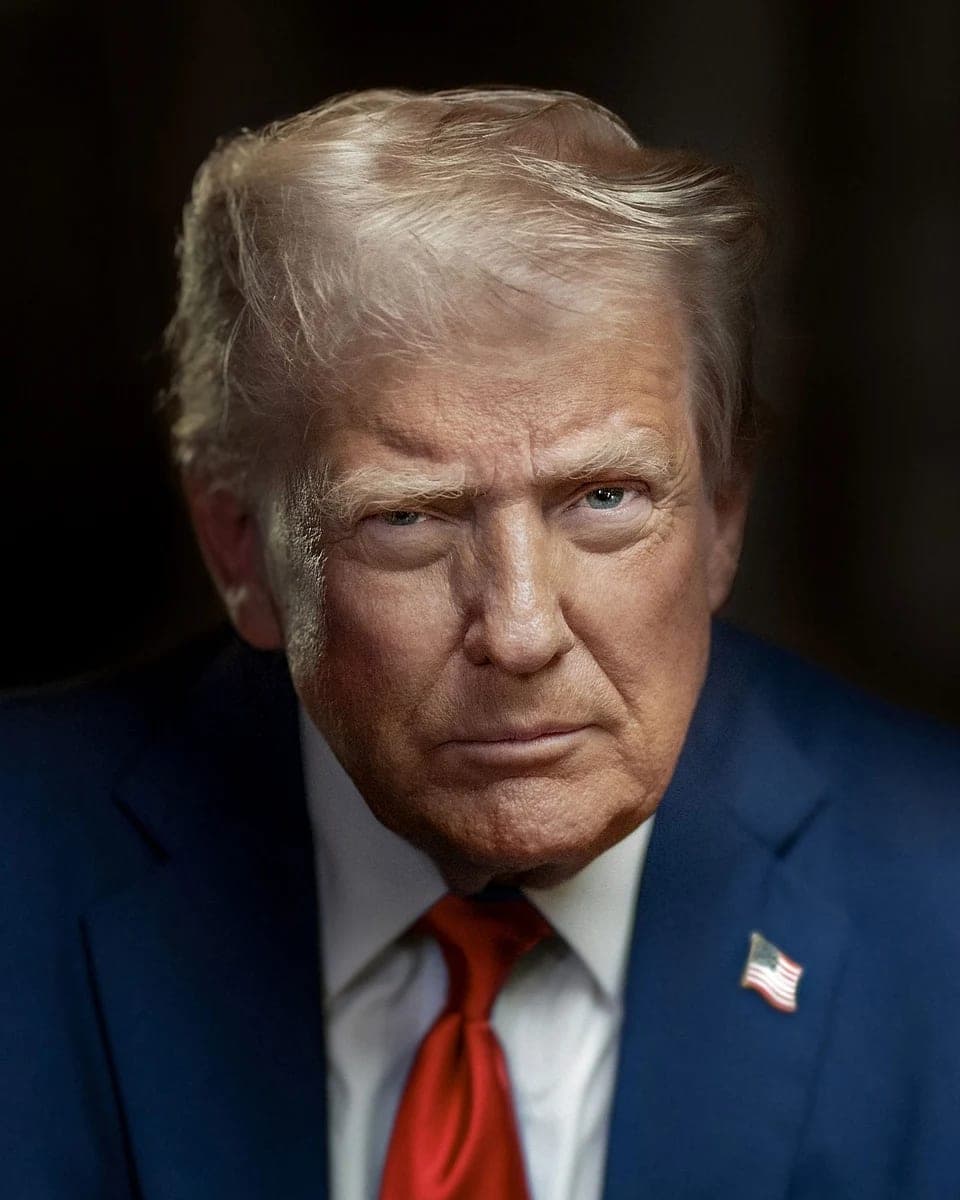
President of the United States
Part of a bigger story
27 OUTLETSOutlets agree Mike Rogers and Abdul El-Sayed held their first debate in Michigan’s Senate race, trading personal attacks and clashing over policy issues. Left-leaning outlets focus on Rogers’s attacks on El-Sayed’s mother and related fact-checking. Center outlets portray a combative exchange over policy and personal claims, with some checking assertions from both candidates and others emphasizing the foreign-policy clash. Right-leaning outlets foreground Rogers’s challenges to El-Sayed over foreign ties and positions, with some coverage portraying Rogers as performing well.
- ARTICLES
- 31
- OUTLETS
- 27
- AVG CRED
- 72
Discussion · 0
Loading comments…